

The emergence of South Sudanese talent on the global fashion stage represents a remarkable narrative of resilience, diversity, and unfulfilled promise. The international spotlight has increasingly turned to South Sudanese models, whose striking presence on runways and in editorial fashion spreads has captivated the industry. Yet, this prominence underscores a broader disparity: while South Sudan’s models command global attention, the nation’s domestic fashion industry remains nascent.
The global fashion industry’s embrace of South Sudanese models is both pronounced and quantifiable. The report further highlights that in models.com latest selection, one in five models have South Sudanese heritage, underscoring their sustained demand. Many, having fled conflict or grown up in refugee camps, embody resilience, yet some South Sudanese models have had more tumultuous journeys, facing exploitation such as being paid in clothes rather than money. Their success, driven by women like Adut Akech and Anok Yai, challenges outdated beauty standards and enriches the global fashion narrative, though ethical shortcomings in the industry demand urgent reform.
Pioneers such as Alek Wek, who rose to prominence in the 1990s, have paved the way for a new generation, including Adut Akech, Anok Yai, Arop Akol, and Akur Goi. These individuals have graced the runways of esteemed houses such as Dior, Louis Vuitton, and Roberto Cavalli, while featuring prominently in Vogue and other high-profile publications. Their success transcends aesthetics; it is a story of overcoming adversity, with many having fled conflict in South Sudan or navigated life in refugee camps before achieving global acclaim.
This ascent, however, is not without its complexities. The fashion industry, long critiqued for its lack of inclusivity and diversity, has found a powerful symbol of both in South Sudanese models. Their presence challenges outdated beauty standards and enriches the global fashion narrative. Yet, troubling reports of exploitation – such as models scouted from refugee camps only to be deemed unsuitable for runways due to malnourishment – highlight ethical shortcomings within the industry. Such practices demand scrutiny and reform to ensure that these talents are treated with the dignity they deserve.
While South Sudan’s models shine internationally, the nation’s domestic fashion industry struggles to take root. Ongoing conflict, economic instability, and food insecurity – exacerbated by famine risks in regions such as Upper Nile State – hinder the development of a robust creative sector. Nevertheless, glimmers of potential exist. For instance, a young designer named Emmanuela, supported by UNESCO and the Culture Trend Network, participated in an arts and crafts initiative in Juba, aspiring to create bags and shoes. Such efforts, though modest, signal the latent creativity within South Sudan, yearning for greater investment and opportunity.
The global fashion industry’s shift towards sustainability and ethical practices presents a timely opportunity for African markets, including South Sudan. The sustainable apparel sector is projected to experience significant growth, and frontier markets are increasingly recognised as hubs of creative and commercial vitality. South Sudan, with its rich cultural heritage, could emerge as a source of authentic, innovative designs. However, this requires substantial support, educational programmes, infrastructure for production, and platforms to showcase local talent. The absence of such resources limits South Sudan’s contribution to the global fashion ecosystem to its models alone, a reality that must be addressed.
The achievements of South Sudanese models are a source of national pride, reflecting a spirit of resilience that resonates deeply. Many, having overcome profound personal and societal challenges, have become primary providers for their families, transforming hardship into opportunity. Their stories are a powerful reminder of South Sudan’s potential, yet they also underscore the need for systemic change. The international community, including fashion houses that benefit from South Sudanese talent, has a responsibility to invest in the nation’s creative infrastructure. Initiatives such as training academies, design studios, and market access could empower local artisans to compete on a global stage.
Looking ahead, South Sudan’s fashion narrative must extend beyond its models to encompass a thriving domestic industry. The global acclaim of its talents is a foundation upon which to build – a call to action for stakeholders to nurture the country’s creative potential. By fostering education, investment, and opportunity, South Sudan could not only contribute models but also designers, brands, and cultural exports that resonate worldwide. The nation’s fashion story is one of extraordinary promise, and with concerted effort, it could redefine its place in the global creative landscape.
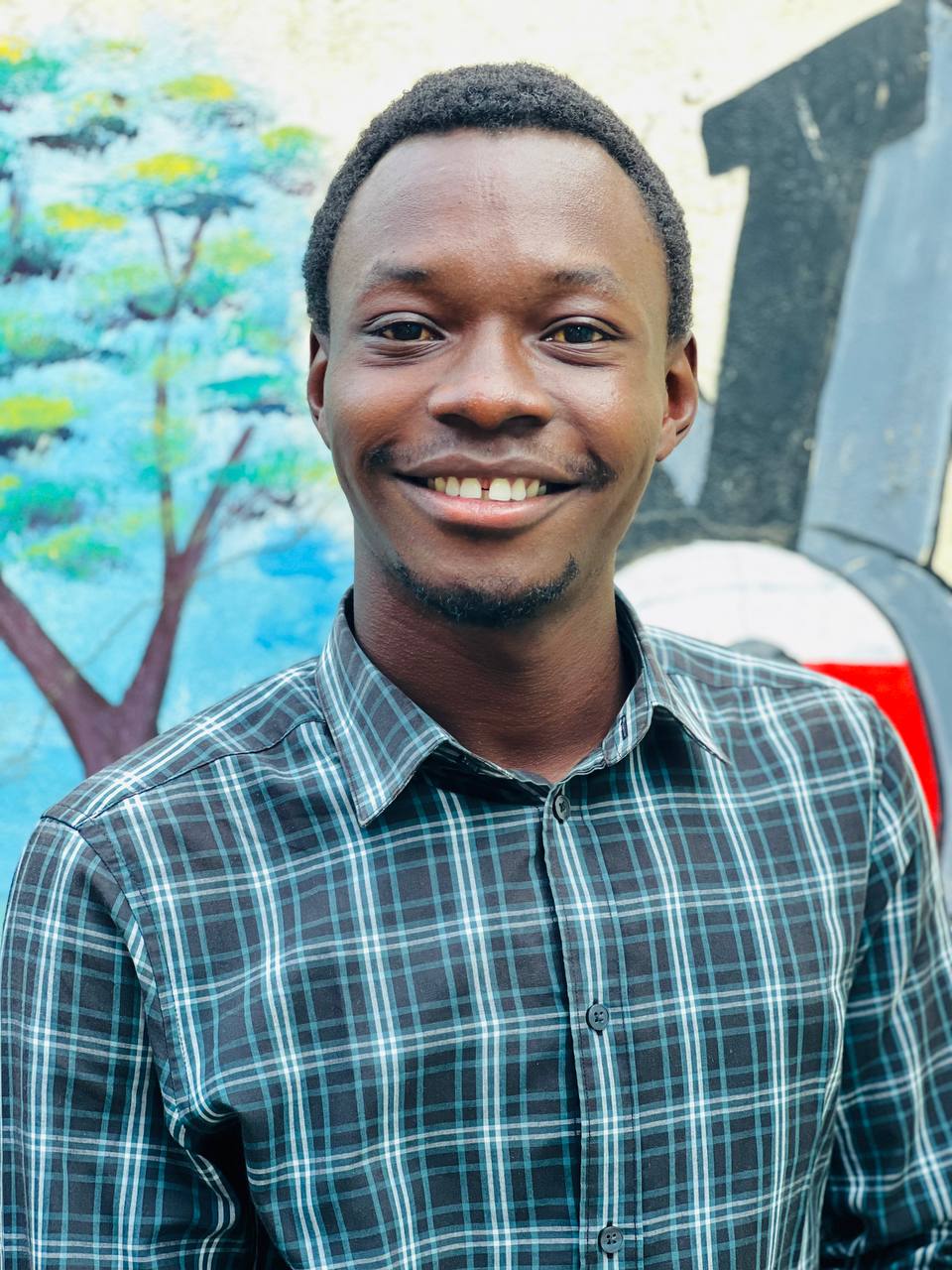
500WM Columnist Butros Nicola Bazia, born in Khartoum, Sudan in 2001, is a South Sudanese independent writer and storyteller currently based in Juba, South Sudan. He began his content creation journey with Young Black Voice Podcast in 2022 and transitioned to creative writing in 2023, driven by a deep interest in arts, culture, and society. His work reflects resilience and creativity, even amidst the challenges posed by ongoing conflict in the region. Nicola now runs his own blog, Autide Me, and has published works in Sudans Post and 500 Words Magazine, where he currently serves as a columnist.

Butros Nicola Bazia, born in Khartoum, Sudan in 2001, is a South Sudanese freelance writer, storyteller, and cultural commentator based in Juba, South Sudan. Nicola serves as columnist at 500 Words Magazine and contributed to multilingual regional and international platforms including The New Humanitarian, Mundo Negro, El Pais, Contemporary&, The Van-Magazine, and among others. His work explores the intersections of arts and socio-cultural dynamics, with a focus on South Sudanese narratives in the global conversations.