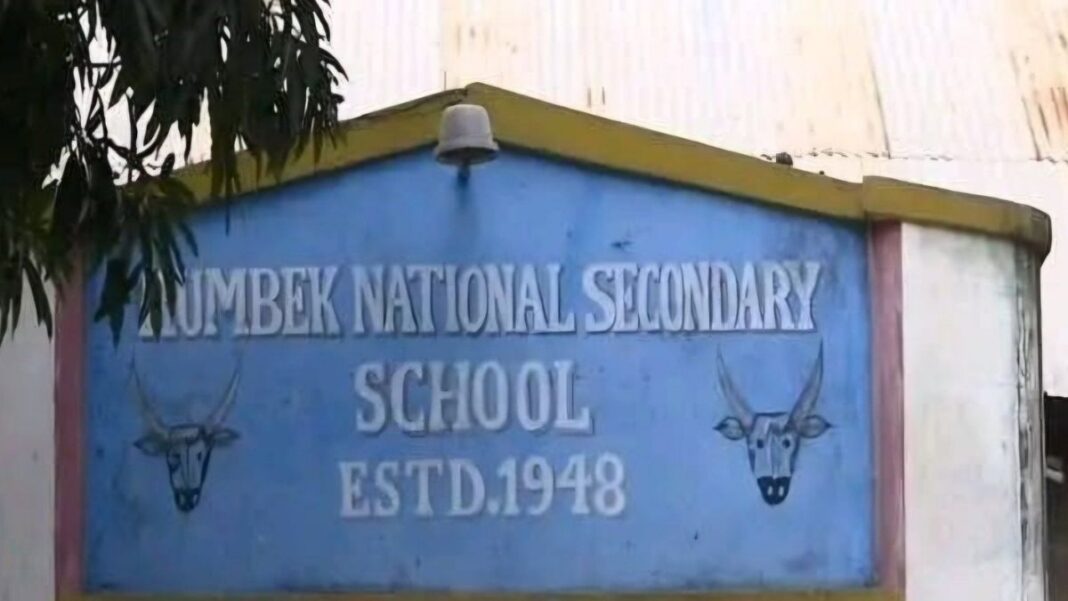
South Sudanese were left shocked and disappointed on 13 April 2026 after HE Huseein Adelbagi Akol, the Vice President for Service Cluster, announced the handover of the premises of Rumbek National Secondary School, also known as Rumbek Senior Secondary School, one of the country’s most historic schools, to Rumbek University of Science and Technology (RUST) to extend the university compound capacity. The public opinion on various social media platforms highlights a deep tension between modern expansion and the preservation of South Sudan identity.
Established in 1948, the school stands among the oldest and is considered a living museum. It was part of a small network of schools designed to educate a limited number of Southern Sudan during the colonial period to occupy administrative roles. Throughout the years, the school has been holding a symbolic DNA of the nation, producing legendary leaders such as the late Dr John Garang de Mabior and Joseph Lagu.
The dispute over the future of the Rumbek School is not about a physical space, but about how the nation relates to its own memory and questioning whether development can proceed without erasing the memory that gave it meaning. In other words, it is not simply an old school, it is part of the national intellectual and social foundation upon which South Sudan has been built.
We are living in an ever-changing-world where not just ways of teaching, knowledge delivery, and lifestyle are enduring development, but also the tangible history. Here, the idea of collective memory becomes central. Memory is not about just recalling history and in the case of Rumbek School, it operates on several levels. First, it is a memory of aspiration where education was and still is the only path towards a different future. Second, it is a memory of resilience reflecting the persistence of learning even through conflict and civil wars. Finally, it is a memory of identity, where generations see themselves as part of a shared tradition shaped by the historic premises of RSS. In essence, it is about how societies attach meaning to places.
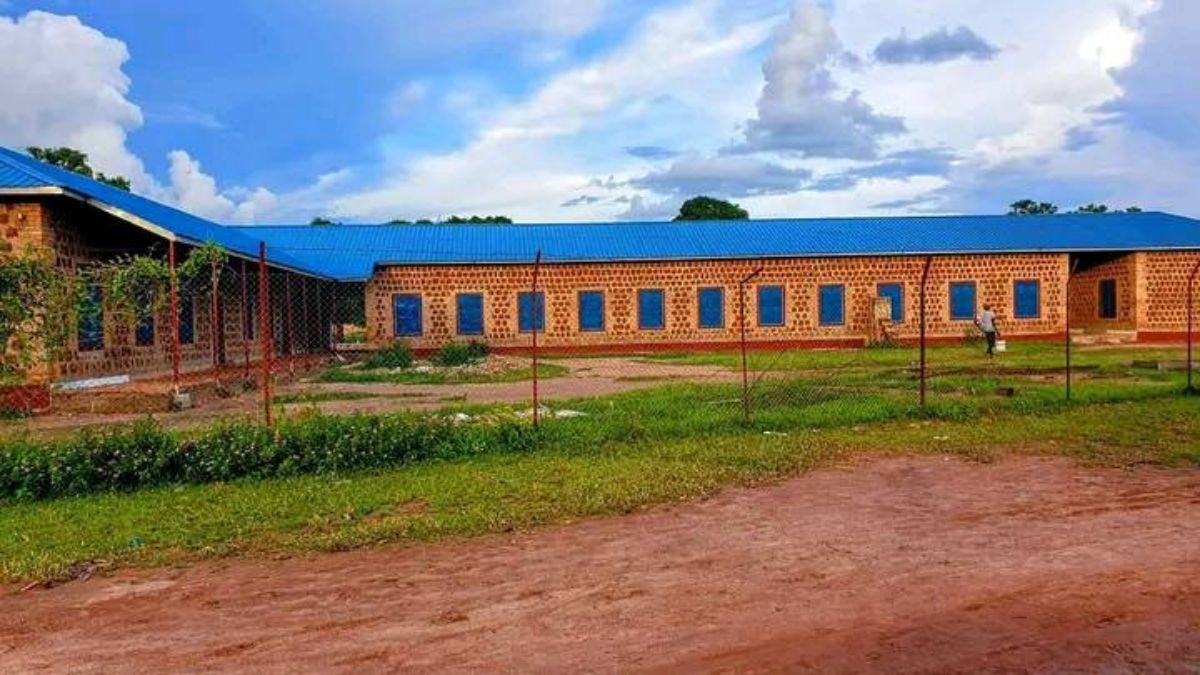
The diminishing and repurpose of institutions without careful consideration, the reaction is not simply emotional, it goes beyond being more political and cultural. Such actions signal a fear that the past is being quietly displaced in the name of progress.
This concern is not new, across the country, the historical and cultural sites have often been altered sometimes to favour some individuals or the struggles to modernise under economic and political pressure. A lived example for these ill-considered plans, the transformation of places like Juba Pictures House, the first purpose-built cinema in South Sudan in 1954, was not just a place for socialisation, it gave a space for meetings and not only produced a statement on federalism. It also provided a concrete experience of the principles and organisation of a pan-Southern political association at the time. Unfortunately, this historical asset has turned into what is known today as Emmanuel Deoses in Hai Cinema in Juba.
The phenomena reflects a border pattern where urban changes occur without parallel efforts to preserve memory. As the time goes by, this creates a landscape where physical development advances, but historical consciousness recedes.
Preserving historical sites and institutions like Rumbek School does not mean resisting development. It means rethinking how development is carried out and a call to learn how important archives are. Cultural policies treat such places as assets rather than obstacles and allow us to integrate them into our national narratives of education.

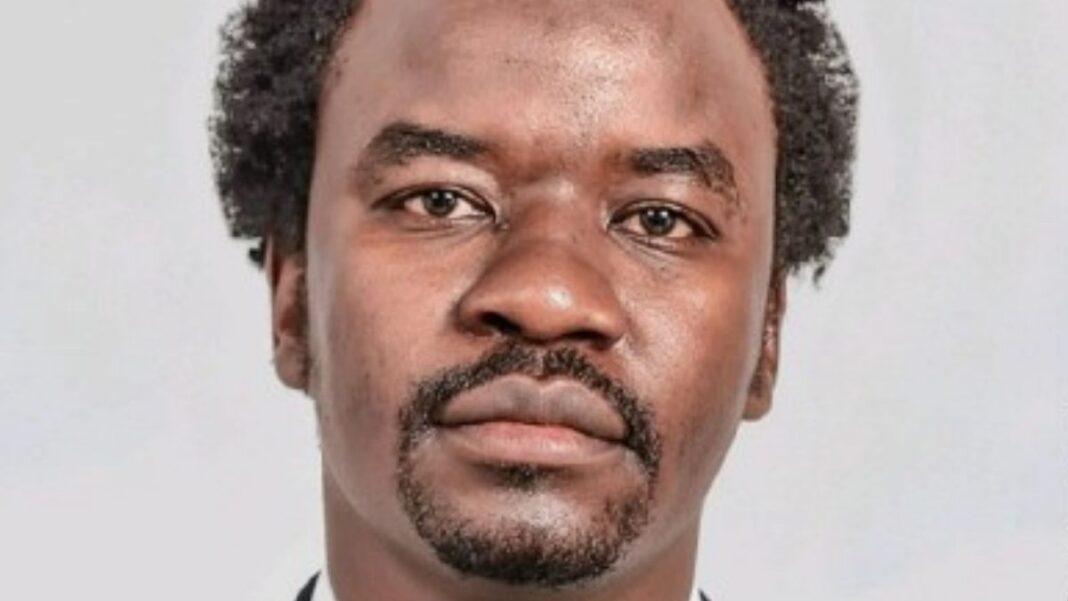
Butros Nicola Bazia, born in Khartoum, Sudan in 2001, is a South Sudanese freelance writer, storyteller, and cultural commentator based in Juba, South Sudan. Nicola serves as columnist at 500 Words Magazine and contributed to multilingual regional and international platforms including The New Humanitarian, Mundo Negro, El Pais, Contemporary&, The Van-Magazine, and among others. His work explores the intersections of arts and socio-cultural dynamics, with a focus on South Sudanese narratives in the global conversations.