


In Juba, life goes on, sort of. All aspects of life are pulsing, markets still bustle regardless of inflation and transport tariff increasing, everything is going well – on the surface. However, beyond the routine, a bitter reality has settled in.
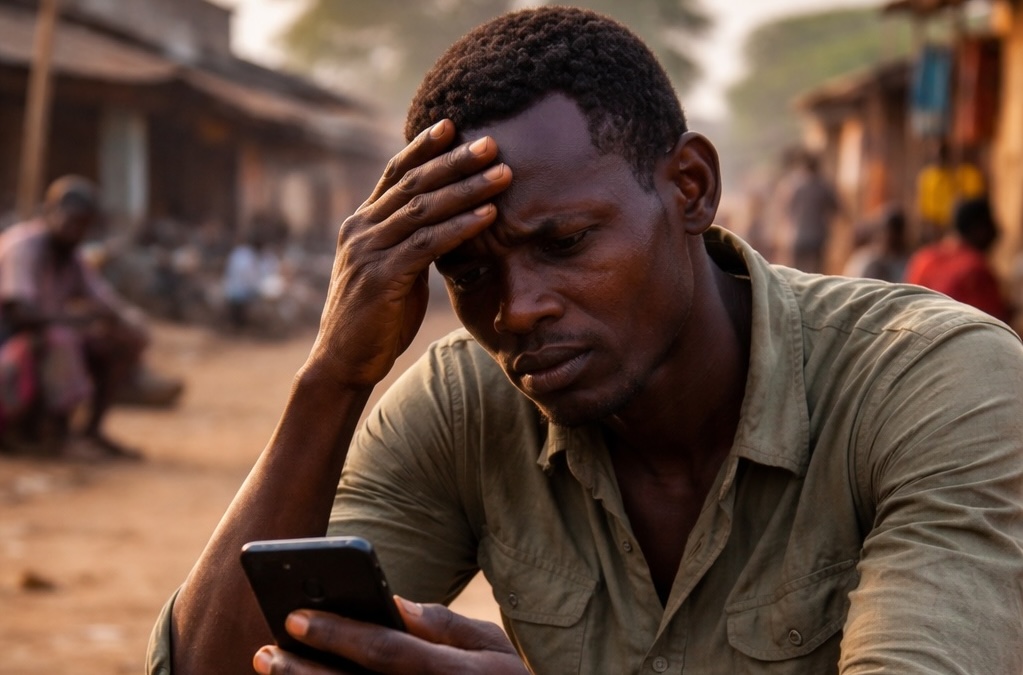
In Downtown Juba, life might seem calm, though on my phone I see stories of families fleeing conflict zones, and I receive BBC notifications with reports of looting, killing, abduction, and difficult humanitarian situations. Our daily life has become more of everyone knows someone who knows someone displaced from Jonglei, Upper Nile, and Unity States. The reality feels like distant news and more like a slow poison creeping closer to the capital.
The general and constant pattern of all conflicts is leaving towns and cities virtually deserted and dehumanising civilians’ lives as widespread reports of looting of markets, NGOs compounds, and even hospitals leave thousands without humanitarian aid and basic care. This fact shows how the reality of war is against humanity. On the other hand, the fund cuts that are shocking to almost all the sectors in the country, including the humanitarian response restricting aid workers to provide the little they have to those in need. From Juba, we hear the official line: “operations to restore order.” But the reality on the ground, as evidenced by returning relatives and aid workers, tells stories of indiscriminate violence, burning villages, and civilians caught in the crossfire.
We always wonder: Will this happen again? This isn’t new, but the scale of impact looks different now. In the capital, one clearly sees the effects of the repercussions, as suburbs increase, food prices rise, and devastating inflation. Cholera cases are increasing in displacement camps, and more than half of the country suffers from severe food insecurity. Projections indicate that seven million people will face the worst crisis during the dry season in 2026.
All talks revolve around dismantling the revitalised 2018 agreement (R-ARCSS). In Juba, we are openly talking about how the power-sharing agreement and integration of opposition focus into one national army as an essential intention to put an end to a bloody war that killed 400,000 people in 2016 and prevent another civil war in the country. Moreover, the peace deal has become a bargaining chip for elites, leaving ordinary citizens disillusioned. In contrast, the elections, which have been postponed several times, are now scheduled for December 2026 with no promise of further extension. However, preparations are being delayed amid a political stalemate. The public opinion is dominated by the arrest and trial of detained First Vice President Riek Machar, who has been under house arrest since March 2025 on charges including high treason and crimes against humanity linked to Nasir’s attacks. In March 2025, the attacks resulted in the death of Major General David Majur Dak, at least 27 South Sudanese soldiers, and a UN crew member. The Special Court proceedings are still ongoing. Many saw them as a deliberate move to marginalise the main opposition leader before any vote. Unilateral changes in the peace framework have also deepened mistrust.
Walking on Juba’s streets are not the ones we are used to. At every corner, rumors are born and spread fast. The international community and UN are just issuing statements, expressing concerns and calling for a ceasefire. Yet, not much changes happened, an arms embargo exists, but weapons still flow.
As we are still watching this unfold from Juba on our phones, the frustration is profound. South Sudanese have endured over 20 years of civil wars in Sudan, which led to South Sudan’s independence in 2011. However, just two years later, the country plunged into another civil war of its own from 2013 to 2016, killing the dream and opening more doors of struggles, corruption and bad governance, and now this. Are we meant to be living in an active cycle of violence rather than a better, peaceful life? What we can learn from the escalation is no regional or international can save one nation, only we can do so.
Akobo’s empty streets photos are a stark warning. What can be seen on the screen through the stories reaching us are signs of Juba itself can feel the burn. The nation is at the brink of the abyss — the brink of lived suffering. Life may have moved on and we forgot, but we can’t. Peace is not a luxury, it is a necessity for survival.

Butros Nicola Bazia, born in Khartoum, Sudan in 2001, is a South Sudanese freelance writer, storyteller, and cultural commentator based in Juba, South Sudan. Nicola serves as columnist at 500 Words Magazine and contributed to multilingual regional and international platforms including The New Humanitarian, Mundo Negro, El Pais, Contemporary&, The Van-Magazine, and among others. His work explores the intersections of arts and socio-cultural dynamics, with a focus on South Sudanese narratives in the global conversations.