


Growing up in an extended family that almost merged all the South Sudan regions was a great grace, and some Sudanese uncles and aunts of course, watching what I called the national family relations.
However, after South Sudan’s independence from Sudan in 2011, many of us had already figured out what to call home, our roots and where to belong. Unfortunately, for others, the exhaustion that comes from being asked every few years to prove where they belong is what my relatives from Abyei do. In this territory, that exhaustion has a name, history, and now once again, an election attached to it.
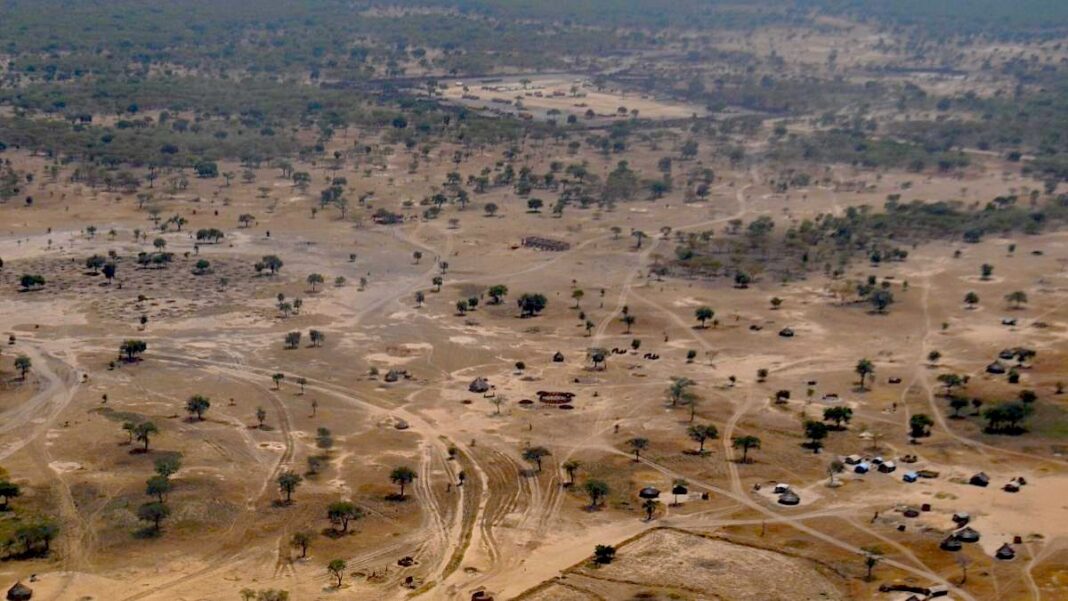
For 15 years, Abyei has existed in a kind of administrative purgatory — claimed by both governments that agreed on almost nothing except that neither will let go of it. Promises of referendum that never happened and this year, dispute took a new shape: Sudan Sudan electoral authorities designated Abyei as one of 12 constituencies in Warrap State, folding a contested territory into South Sudan’s first-ever elections and vote in December. Consequently, Sudan disagrees, tension follows. The map once again is being redrawn by people who do not live inside it.
I remember my school days back in Khartoum, when they foreigners including South Sudanese who did not set for primary school exams in Sudan and want to pursue the secondary school leaving certificate should pay an amount of $160 as exam fees, many Abyei natives had then to issue Sudanese national IDs just to avoid pay that big amount at the time. Looking at this incident, we may see clearly the identity tensions raised by opportunities and survival thoughts. Furthermore, what gets lost in this — in the maps, the communiqués, the diplomatic language of joint sovereignty and final settlement is people who have never been seen as frustrated individuals of this game of power over resources. . It is a place where people wake up every morning inside a boundary someone else keeps redrawing, and they still have to decide, to which part they have to belong or wait for circumstance to navigate their way.
The Abyei demographic has never been a monogamy, single identity, and a settled fact. Dinka Ngok (Deng Majok and Biong) families with generations-deep roots in the land, seasonal Misseriya herders moving cattle through it, both communities holding claims that predate either Sudan or South Sudan as we know them today.
The missing point in this legal framing is that belonging in Abyei is not resolved by a referendum clause or electoral map; it was never only a matter of jurisdiction to begin with. However, it is inherited in the way people speak about the land and identity in grazing routes are considered central rather than seasonal. Furthermore, sovereignty as a word assumes a single answer. .
Therefore, when a constituency line is drawn through a place such as Abyei, it does more than assign voters for election. It moves far beyond asking people to formally choose an identity that many of them have spent almost 15 years holding as plural, and to do so under the gaze of two states who have shown, repeatedly, that they are more interested in owning Abyei than understanding it.
The story is not who Abyei belongs to, but what it may cost a community to be asked that question over and over by people who have never had to answer it by themselves.

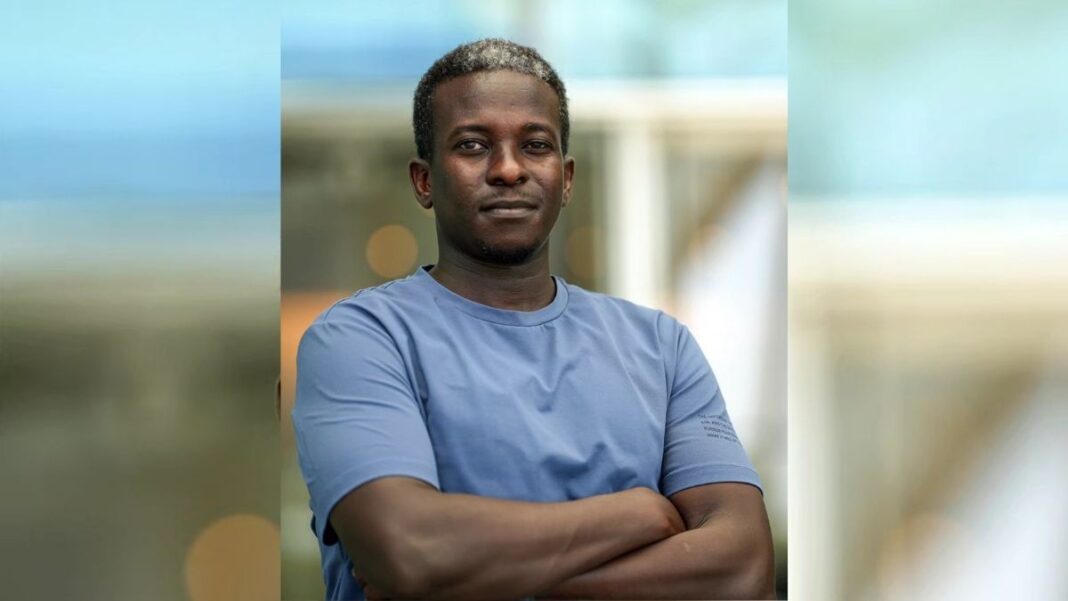
Butros Nicola Bazia, born in Khartoum, Sudan in 2001, is a South Sudanese freelance writer, storyteller, and cultural commentator based in Juba, South Sudan. Nicola serves as columnist at 500 Words Magazine and contributed to multilingual regional and international platforms including The New Humanitarian, Mundo Negro, El Pais, Contemporary&, The Van-Magazine, and among others. His work explores the intersections of arts and socio-cultural dynamics, with a focus on South Sudanese narratives in the global conversations.


I’m still have many questions about Abyei and land !?
You can reach out to me via my Instagram DM