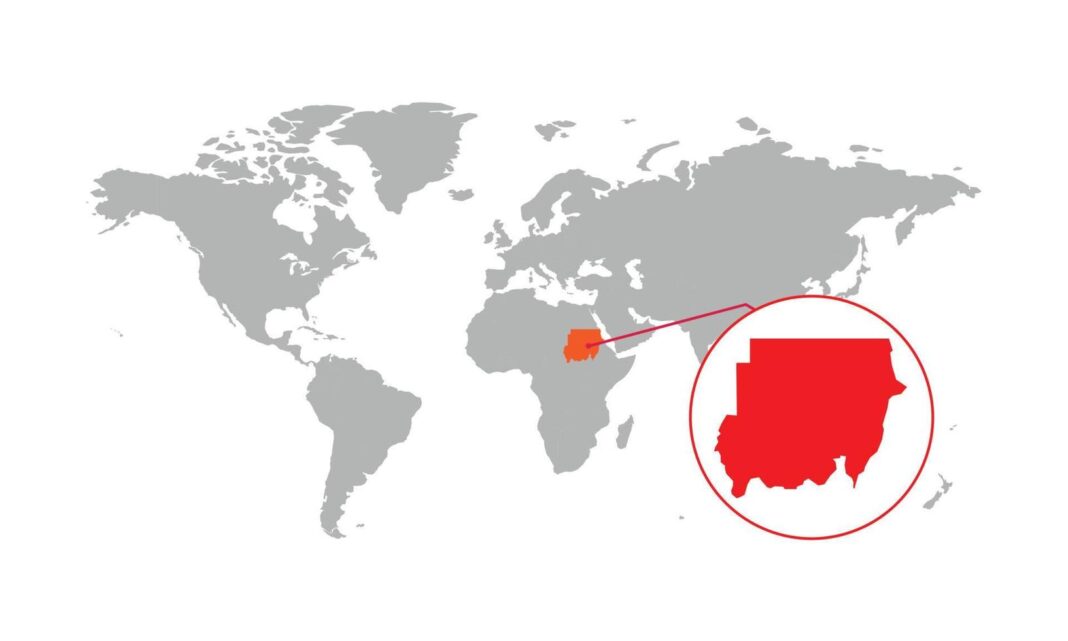

After more than two years of war, the world is finally paying attention to Sudan, specifically to the atrocities the Rapid Support Forces (RSF) are committing in Al Fasher, Darfur, following the Sudanese Armed Forces’ (SAF) retreat from the region on 28 October 2025.
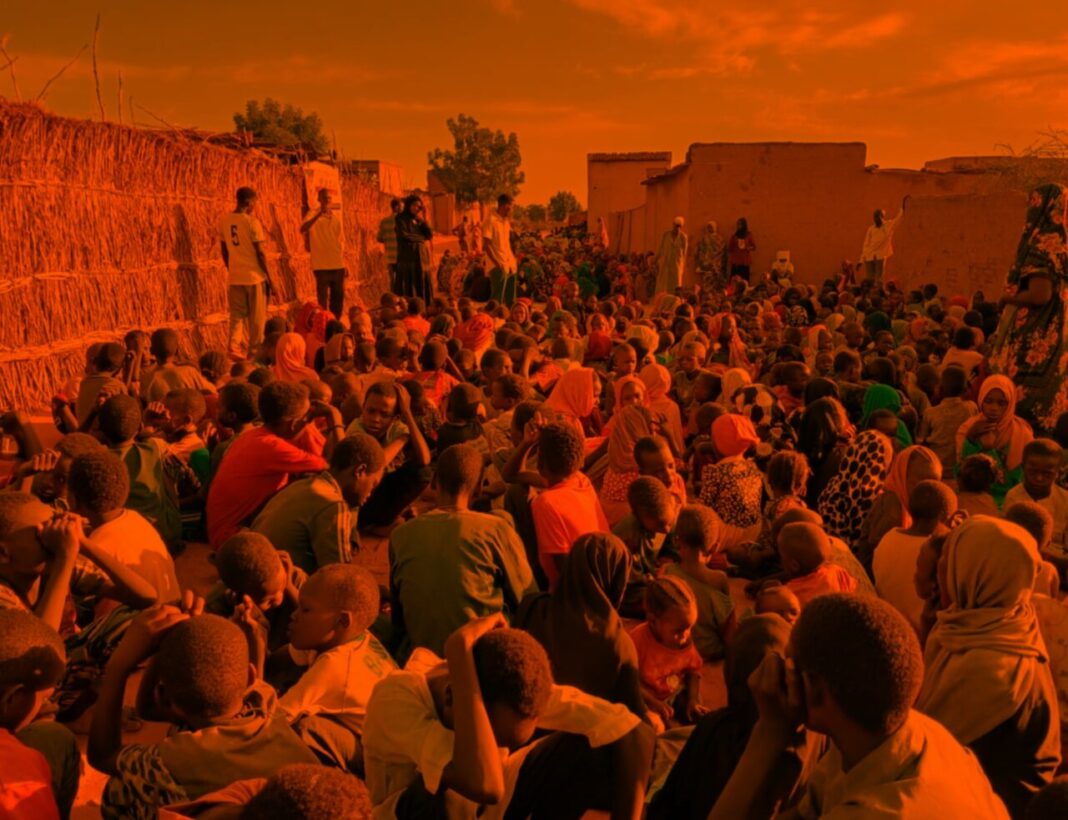
The RSF is committing horrific crimes in Al Fasher, where more than 2,000 people, including women, children, and the elderly, have been killed. As part of their ethnically charged campaign of violence, the militia group has carried out mass executions, hanged men, women, and children from trees, starved entire villages, and even targeted hospitals where the wounded and medical personnel were fatally attacked.
Many of these killings have been documented by the RSF themselves and audaciously shared on social media for the world to see — a pattern of behaviour that has persisted since the war began on 15 April 2023 between the RSF and the SAF. The conflict has displaced between 12 and 14 million people and killed more than 150,000. One of the most haunting videos shows a mother and her two young children hanging lifeless from a tree — a scene that captures the unimaginable brutality unfolding in Al Fasher.
The RSF have exposed themselves to the world, with their heinous acts seen and shared across social media and broadcast by international news outlets — drawing global attention and triggering an outcry unlike any since the war began in 2023. Celebrities, social media influencers, and major media platforms are now speaking about the genocide in Al Fasher and the wider war in Sudan. In today’s world, digital voices and social media movements play a vital role in raising awareness — often driving traditional media coverage, or vice versa. Yet, as with many global crises, the question remains: how long will this attention last? And more importantly, what impact will it truly have on the ongoing atrocities in Al Fasher and the war in Sudan as a whole?
Although the war in Sudan has been recognised by the UN as the world’s largest and fastest displacement crisis and one of the “most severe” humanitarian emergencies, it has often been dubbed “the forgotten war,” a label many Sudanese activists reject, insisting it was never forgotten, only ignored. To many, the neglect reflects an ugly truth: as with many conflicts in Africa, the world looks away because it is happening in Africa. The global public has grown desensitised to the continent’s recurring crises, whether manmade or natural, often dismissing them as just “another African conflict.” Activists also point to racism as a driving factor, arguing that the silence stems from a deep-seated belief that Black and African lives are less valuable than others.
Although that may be true, history shows that societies often forget conflicts, or at least the full extent of their horrors, especially when wars drag on for years. The same has been observed with the wars in Ukraine, Syria, and Yemen, as well as Israel’s decades-long occupation of Palestine — all of which began long ago and continue to this day. This pattern reflects the cyclical nature of conflict throughout human history. Today, the constant flow of information and our ever-shortening attention spans make it even harder for people to stay focused on ongoing wars and humanitarian crises around the world.
Ultimately, while the tendency to forget is both natural and widespread, practicing active remembrance is essential. Active remembrance means intentionally recalling and engaging with something, whether personal values or historical events, to keep it present and relevant today. In this context, it calls on us to consciously remember ongoing conflicts rather than move past them. This practice is most often carried out by those directly affected, who feel the pain firsthand. But active remembrance goes beyond passive recollection; it involves taking deliberate steps, creating content, joining protests, raising awareness, or aligning one’s actions with shared values, to ensure that what matters is not forgotten.
Global attention and active remembrance of conflicts can lead to tangible and essential outcomes. They can help generate much-needed humanitarian funding to provide food, water, shelter, and medical aid to affected civilians. Sustained public pressure can also influence governments, international organisations, and policymakers to act — and, in some cases, help bring an end to the violence.
Philosophers and historians argue that active remembrance is not only a moral responsibility but also a tool for preventing future conflicts. Actively remembering and educating others ensures that the voiceless are heard, seen, and, ultimately, protected during times of war. It also allows us to learn from past mistakes and to strive toward a more just and peaceful future.
By keeping Sudan and other countries in conflict in our collective consciousness, advocating for aid, amplifying the voices of those affected, and holding those responsible accountable, we can help protect the vulnerable, provide essential relief, and perhaps prevent future atrocities. The challenge is: will the world’s attention endure long enough to make a meaningful difference, or will Sudan once again fade into silence? The answer may depend on our willingness to remember, act, and refuse complacency in the face of injustice.

Ola Diab is the new founder and editor of 500 Words Magazine, and the deputy editor of Marhaba Information Guide, Qatar’s premier information guide. Based in Qatar, the Sudanese journalist graduated from Northwestern University in Qatar (NU-Q) in 2012 with a Bachelor of Science in Journalism and has since built a successful career in the print and digital media industry in Qatar. Find her on X (formerly Twitter) @therealoladiab or on LinkedIn.