



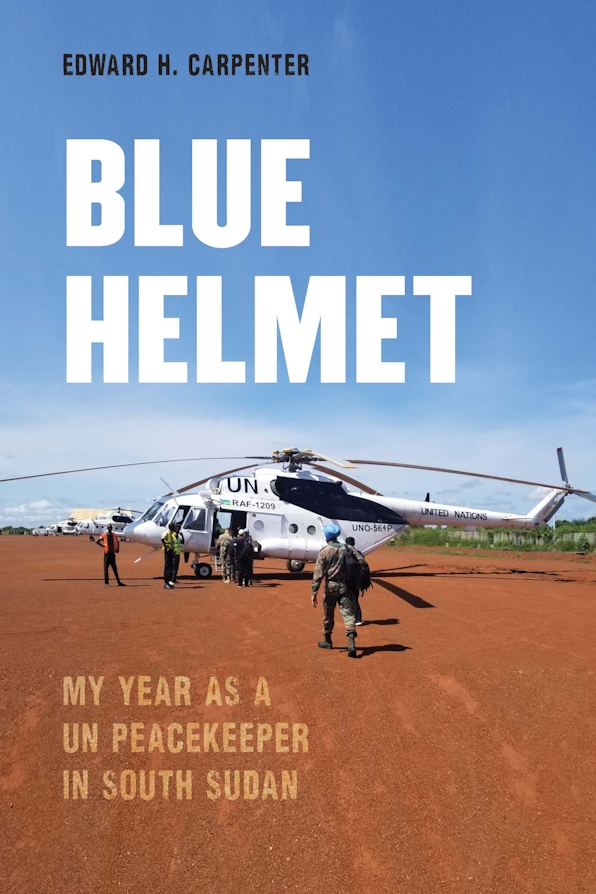
After decades in the US Marine Corps, Edward Carpenter stepped into South Sudan in a time where the country was struggling with civil conflicts, and political and economic instability. However, he did not arrive wearing rose-coloured glasses, instead he wore a blue helmet, which is the name he gave to his book Blue Helmet: My Year as a UN Peacekeeper in South Sudan published on 1 March 2025. In this lifetime documentation and reflections, he takes his readers through something different and feels like the truth from the sideways.
“I wanted to be part of saving lives, not taking them,” he told 500 Words Magazine (500WM) in a video interview reflecting on his decision to spend his final year of service with the United Nations (UN). According to Carpenter, the Pentagon had left him disillusioned and wars in Afghanistan and Iraq had shown him the brutal cost of war. Therefore, when the opportunity arose to join the UN Mission in South Sudan (UNMISS), he considered it an opportunity to use his skills for peace. However, peacekeeping he would learn, is not always peaceful.
Landing in South Sudan

The photo of Wau, South Sudan taken by Carpenter on the plane as it was landing.
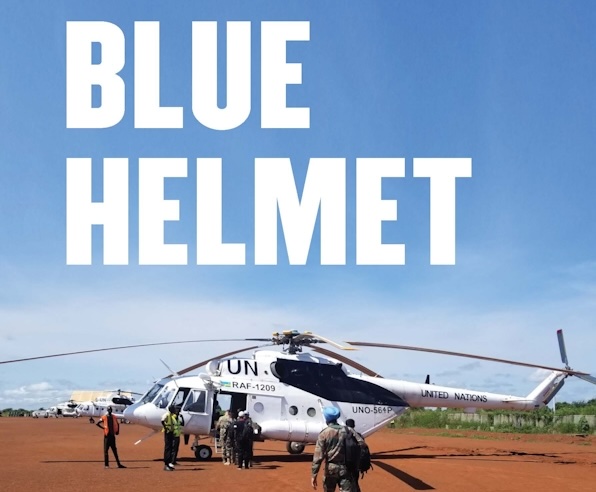
Looking at the book’s cover, we can see a UN helicopter and a very short queue of peacekeeping soldiers wearing blue helmets preparing to depart. This picture illustrates the landscape, however, also the deep scars from years of conflict, which are the circumstances Carpenter arrived in. “That photo,” he said, “represents the potential of the UN and the rich soil of the country to which I still feel a deep connection.”
Deployed on 26 May 2019, his mission was clear; help protect the civilians, support peace, and uphold the ideals of the UN Charter. However, almost immediately, Carpenter encountered the opposite reality. Bureaucracy, political caution, and a culture of non-intervention often paralysed the mission. Local armed forces sometimes oppose their work and block the way to the incident locations. The only work that can be done after the massacres is counting bodies and rarely preventing death. “UNMISS always gets there in time to count the bodies, never to prevent them from being killed,” he said.
The Systemic Failures
The frustration kept growing at Carpenter’s end. He saw senior UN officials prioritise clean reputations over civilian lives. “They are more interested in keeping a clean slate, if they ordered peacekeepers to intervene and this cost injuries or lives of few peacekeepers – even if they saved the lives of hundreds of civilians, they do not see it as being worth the risk,” he said. From Carpenter’s perspective, it is an accountability matter. The UN’s top leadership failed to hold these officials accountability. “The accountability is needed most of all because all of these people seem to share a character flaw – they lack empathy with the people that have been sent and paid to serve – they cannot see, in the faces of the fleeing civilians, the faces of their own mothers, grandparents, and children,” Carpenter said. The result is a question that has been always asked, how can civilians die while peacekeepers stood by?
Inequalities existed also on the ground where UN staff lived in comfortable quarters with steady meals, while displaced South Sudanese families huddled with makeshift shelters, surviving on dwindling rations. “I was really struck by the difference between how people lived on different sides of the wire – here you could have two women, one a peacekeeper and one a displaced person. They are separated by just this fence – and the UN treats them exactly, according to its standards. And yet, the UN believes that it is treating both women appropriately. How can this be?” Carpenter said. In addition to this, local staff were treated unfairly and the mission’s freedom of movement, essential for protecting civilians, was routinely obstructed. The practical consequences are the death, abductions, sexual assaults on civilians.
Speaking Truth, Seeking Justice
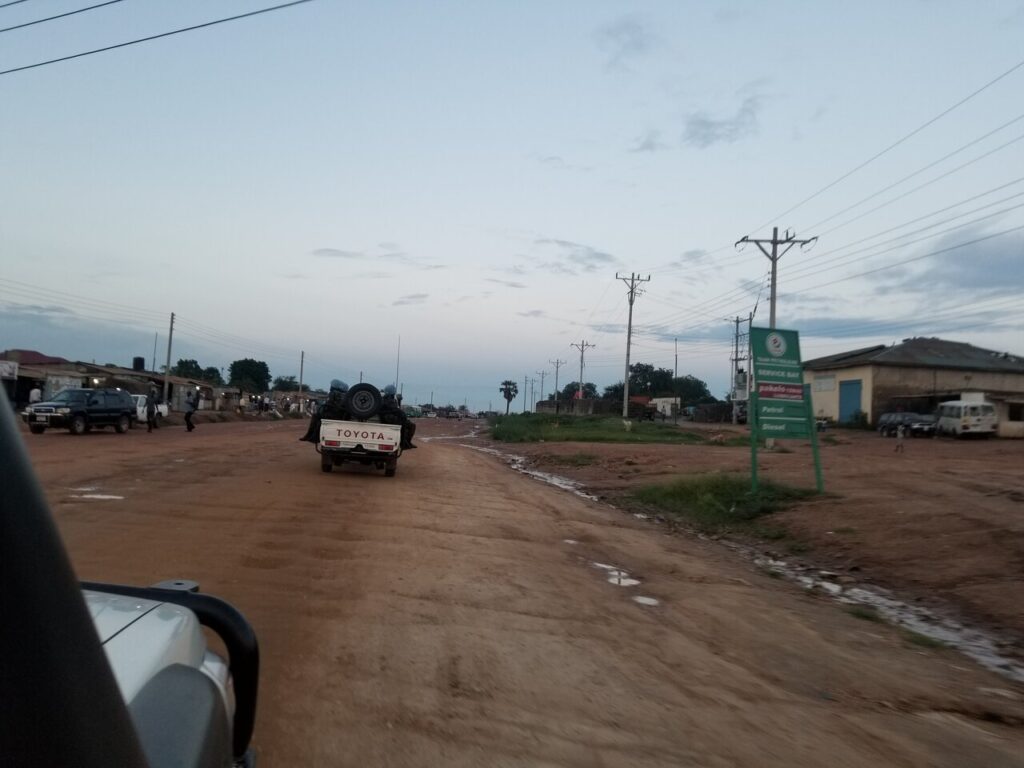
A photo taken by Carpenter heading out on night petrol
Carpenter’s response to these dilemmas broke the silence, his memoir is both a personal reckoning and public indictment. The book compares the world’s response to South Sudan with its reaction to crises such as Ukraine or Christchurch. The disproportion in media coverage and aid, he said, revealed a painful truth: “The lives of people in Africa – especially in its least-developed and most vulnerable rural regions are less valued than the lives of others,” he said.
Witnessing all these failures and lives lost were another type of battles that Carpenter endured with guilt, and the haunting memories of what he couldn’t change. “Many people who lived where others have died are left with survivor syndrome experiencing feelings of guilt, anxiety or unworthiness on surviving or thriving when those around them have suffered, died, or lost their possessions. My own reactions have included anger, depression, and sleep disturbances,” he said. To face this mental burden, he wrote Blue Helmet not in an attempt to quiet the demons, but to make them louder, he admitted. “For me this book did not silence the demons – it made them louder – however, in my case, it only drove me to do more good in this world and sharpened my resolve,” he added.
A World Without War

Out of this experience, Carpenter founded World Without War, a non-profit dedicated to exposing corruption, supporting whistleblowers, and challenging the political use of violence. He donates all profits from his book to the initiative, which is considered a ‘peace incubator.’ “I am now looking at forming one element of it as a peace incubator–there are many tech incubators which help people implement their ideas about new technologies. Therefore, why not a peace incubator to help them implement their ideas for creating safety and security at a grassroots level,” he said. This solution idea, if given enough space and good engagement, can lead to the elimination of small arms, amplify grassroots solutions, and hold institutions accountable.
The core orientation of his initiative is the power of shame. The Code Blue Campaign, which exposed child abuse in the Central African Republic (CAR) is a proof. “It was only when Code Blue and The Guardian newspaper published their evidence that the UN Secretary General was shamed into taking action, resulting in an investigation which revealed that three high-ranking UN leaders had abused their authority,” Carpenter said. After public pressure, the UN Secretary General did act. Carpenter wants to reproduce that model, using media and public outcry to force change. “By putting public pressure on the US and UN to explain the inexplicable, we saw the Americans return to Juba,” he explained.
The Call to Protect
Responsibility to Protect (R2P) is the heart of Carpenter’s message which was born from the ashes of Rwanda and Bosnia, the core idea of R2P according to him is sovereignty is not a privilege; it carries a responsibility as governments fail to protect peoples, the international community must step in. “We need them to act,” he argued, “in places such as South Sudan, Sudan and elsewhere in the global south to prevent, to react, and to rebuild.”
Blue Helmet is not just a memoir, rather a truth, a soldier’s journey from warfighter to peacekeeper, from disillusionment to advocacy. Carpenter reflections held up to the global peacekeeping system, asking hard questions and demanding better answers. Through it all, he remains committed to one simple, powerful idea “Service before self”.
Blue Helmet: My Year as a UN Peacekeeper in South Sudan is available to purchase at Barners & Nobles, and Target stores across the US, as well as the University of Nebraska Press. It is also available on Kindle and Amazon.
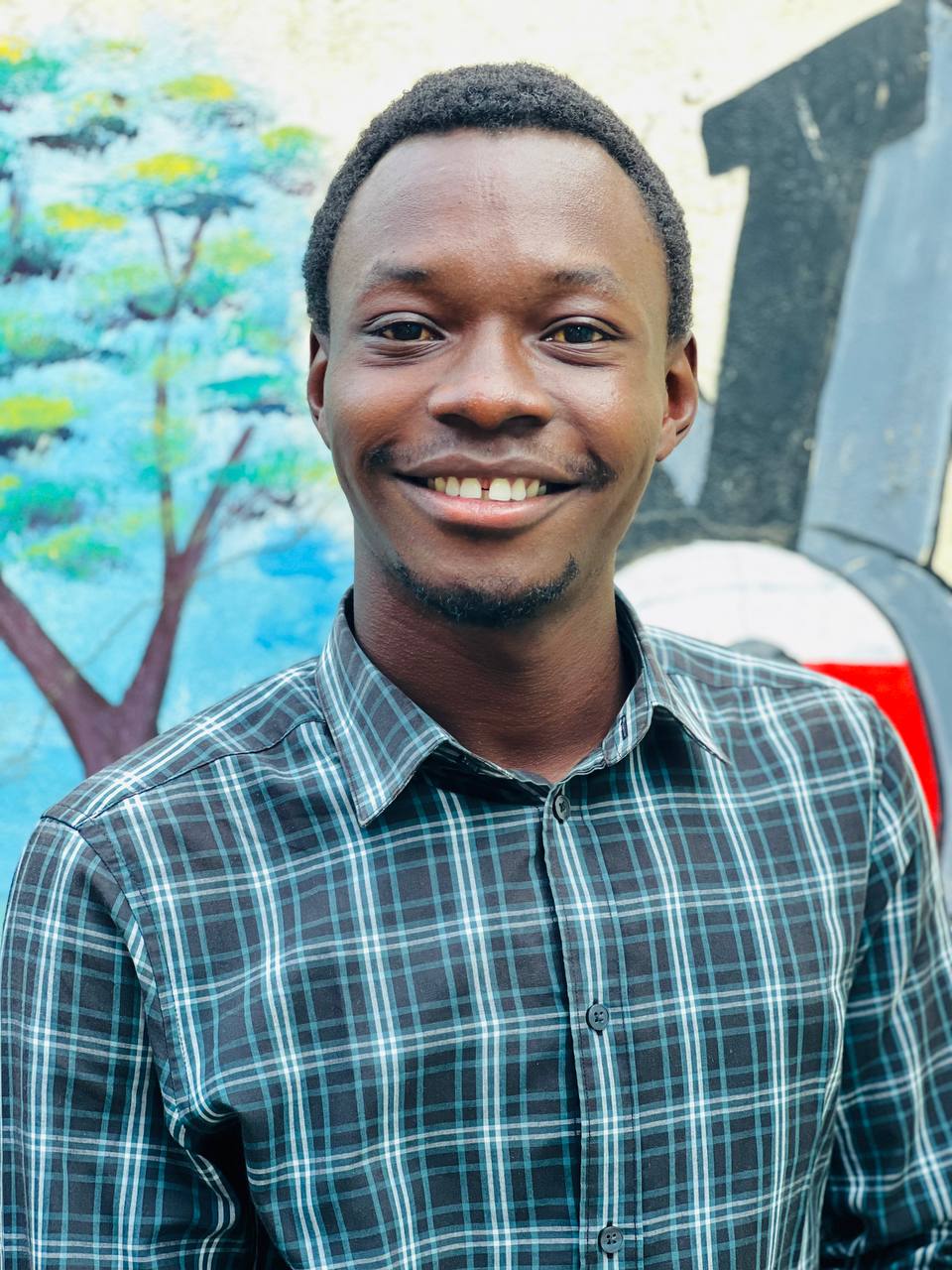
500WM Columnist Butros Nicola Bazia, born in Khartoum, Sudan in 2001, is a South Sudanese freelance writer, storyteller, and cultural commentator based in Juba, South Sudan. Nicola serves as columnist at 500 Words Magazine and contributed to multilingual regional and international platforms including The New Humanitarian, Mundo Negro, El Pais, Contemporary&, The Van-Magazine, and among others. His work explores the intersections of arts and socio-cultural dynamics, with a focus on South Sudanese narratives in the global conversations.

Butros Nicola Bazia, born in Khartoum, Sudan in 2001, is a South Sudanese freelance writer, storyteller, and cultural commentator based in Juba, South Sudan. Nicola serves as columnist at 500 Words Magazine and contributed to multilingual regional and international platforms including The New Humanitarian, Mundo Negro, El Pais, Contemporary&, The Van-Magazine, and among others. His work explores the intersections of arts and socio-cultural dynamics, with a focus on South Sudanese narratives in the global conversations.