The music culture of Sudan has many classics and staples that have been parts of our lives since childhood. Wedding songs, in particular, are memorised by most of us since we started putting words together, and are a significant part of Sudan’s music culture. So, why is that so?
Through decades, the culture of wedding music in Sudan has changed drastically. The wedding songs we started hearing since the early 2000s do not sound like the ones played in weddings between the 1950s to 1980s and sound even more different today. This is because of the evolution of Sudanese music in itself. As I previously wrote in my first column piece, Echoes of a Nation: The Evolution of Sudanese Music, music in Sudan underwent different phases, with different sounds characterising each era. From the 2000s, however, the style of wedding music became consistent: bring the guests to their feet.
The sound of a Sudanese wedding song in present days has a unique feel, but what makes a song suitable for a wedding? The answer lies in its composition: dalouka, or Sudanese percussion. In Sudanese music, a style of percussion that is unique to wedding songs is saira, a style used in most celebratory songs, and is quick to bring out a zaghrouta or ululating. Songs are generally upbeat, rhythmic, and accompanied with a call-and-response style of singing.
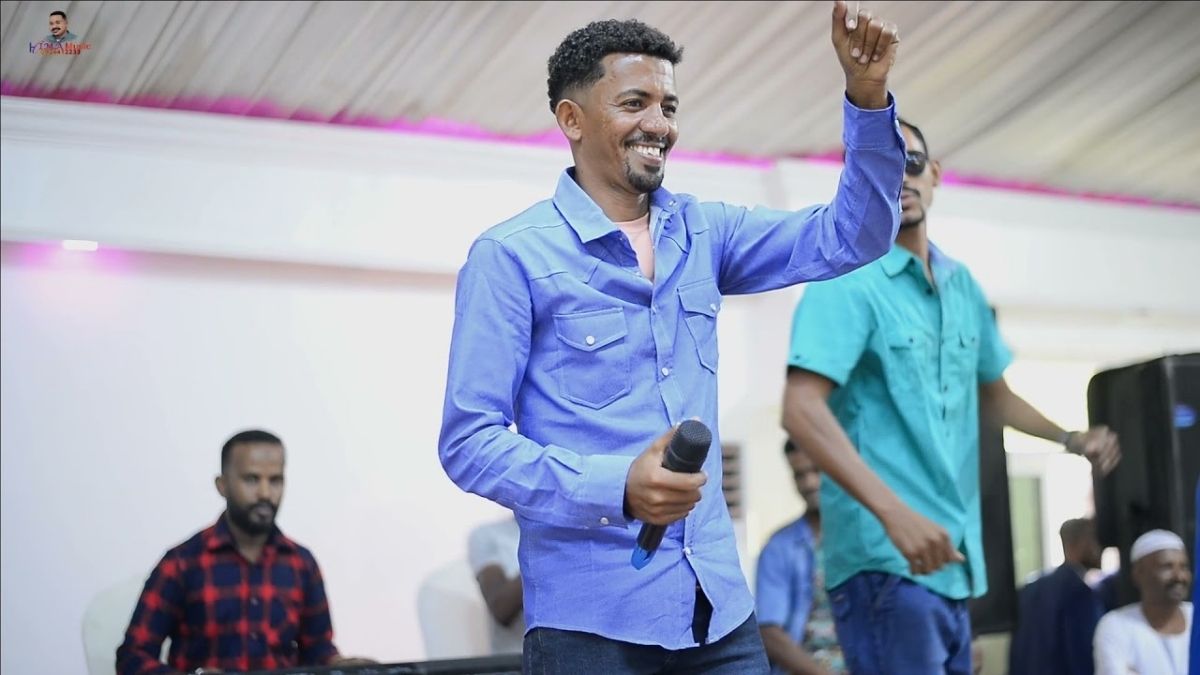
The lyrics of Sudanese wedding songs are not always about love and romance, but often revolve around all themes of joy and celebration, with some songs having a playful, flirty nature, songs that praise the bride or groom, and songs that just bring about happiness. The lyrics in songs are often replaced with balaghat or shout-outs, typically to the newlyweds, their family members, their hometowns, and even local universities.
Many wedding songs have stood the test of time, having been played at weddings for over two decades. These songs are typically ones that were first performed by a musician during a wedding, or songs that have been passed down generations. It may be that they bring people to their feet easily, or that these songs have been culturally familiar for being a part of weddings for a long time, such as Al Jalabiya Baida Makwiya (The White, Freshly Pressed Jalabiya).
Much like the diversity of Sudanese music as a whole, there is a variety to wedding music, too. While the lyrical themes remain similar, revolving around joy and celebrations, the style of music in itself differs according to the wedding celebration at hand. Sudanese weddings consist of many events alongside the white wedding, including the bride and groom henna parties, the jirtig, a traditional ritual performed after the white wedding, and ragees al aroos or the bridal dance, an event where the bride dances for and with the groom in front of a strictly female audience.
White weddings are known for having playful, energetic, upbeat music with crowd interaction and dancing. Henna parties, on the other hand, much like jirtig, are framed by simpler songs that are percussion dominant. The songs are often stripped down, with just vocals and dalouka, and their themes focus on praise of the bride, groom, or both. Songs that are sung in ragees aroos are also stripped down to just dalouka, but the lyrics often have coded dancing instructions that the bride follows. Ragees aroos songs were made more mainstream by the iconic Gesma, a traditional singer known for performing at this traditional event, and even teaches brides to dance to her music. While each of these wedding events is known to have its own style of music unique to the celebration, they all come down to fulfilling one criteria: can the song make people dance?
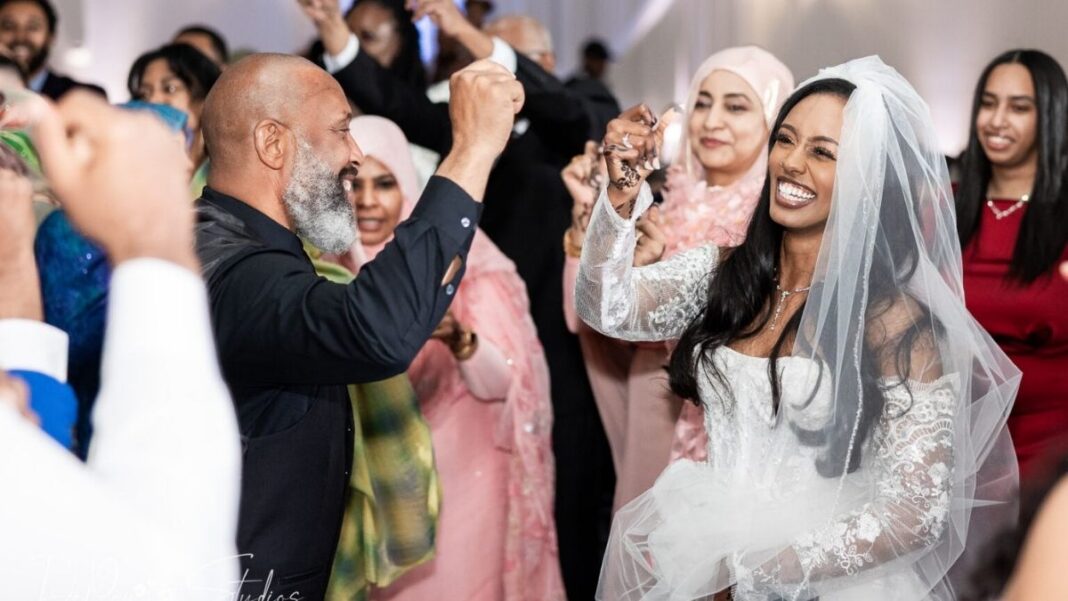
When it comes to white weddings, also known as al dukhla and the main event of Sudanese weddings, the songs themselves are not enough to bring people to the dance floor. The performers also add to the equation, and when choosing a musician for wedding parties, families often think of musicians that will bring life to the party, and many singers are known for performing at weddings, including Mohammed Bashir, Eman Al Shareef, Mohammed Al Rayan, and Taha Suliman, all of whom are known for their engaging and charismatic performances. For the henna parties, iconic female singers such as Huda Arabi and Ensaf Medani are typically chosen as performers.
Over time, many newer musicians have introduced potential wedding songs, but unless performed by the musician themselves, they rarely become wedding staples, perhaps due to their personal nature, they appeal to only younger audiences as opposed to all, and the slower nature of the songs. However, many older songs, such as Semsem Elgadaref (The Sesame of ElGedarif) and Allaila Musafer (Tonight, I’m Travelling) have been repopularised by modern singers such as Dr Omer Elamin, and made their way back to the wedding scene more recently. Iconic female singers such as Eman Al Shareef and Huda Arabi have also been glowing in the spotlight of wedding music. The significance of wedding music in modern times is that most traditional Sudanese musicians rely on succeeding in the wedding scene to succeed in the industry as a whole.
As Sudanese people, we are known to be creatures of habit. Our love for a familiar wedding tracklist, one that resonates with all generations filled with songs that we have heard and memorised since childhood, is what brings joy to our wedding celebrations. Wedding music is more than vocals and production, it is a catalyst for bringing people together to celebrate love the way we have always known how: on the dance floor, surrounded by our loved ones.
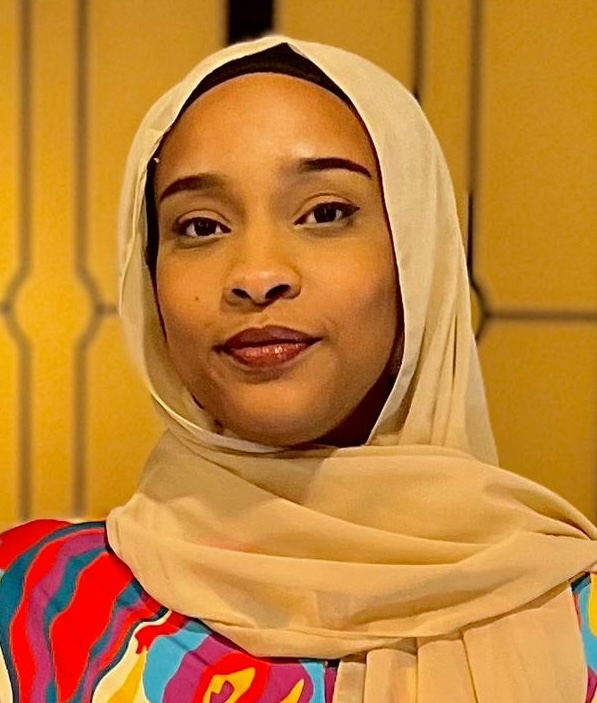
Samar Bengawi is a medical student by day, and a literature and music enthusiast by night. She was born and raised in the UAE and is now based in Georgia. She is never without a cup of coffee in hand, and is always “on the go,” chasing after one hobby or another. Passion in Sudanese politics runs in her blood and she considers herself a patriot who hopes to leave a memorable mark in the world.