


The developing El Niño climate phenomenon is now the strongest on record, according to scientists.
El Niño is a naturally-occurring pattern, which happens about every two to seven years and tends to last for around a year, typically peaking around December.
Trade winds that typically blow from east to west across the Pacific Ocean can weaken or even reverse, allowing warm water to spread eastwards. Heat is then released from the ocean into the atmosphere which can boost global temperatures and drive changes in weather patterns around the world. Forecasters track the development of El Niño by watching temperatures in a key region of the Pacific Ocean. When these are consistently 0.5C above normal, an El Niño is declared.
El Niño was formally declared on 11 June 2026 by the US National Oceanic and Atmospheric Administration (NOAA), following an onset tracking declaration by the World Meteorological Organization (WMO) on 2 June 2026. The El Niño is expected to peak in November or December and last through early 2027.
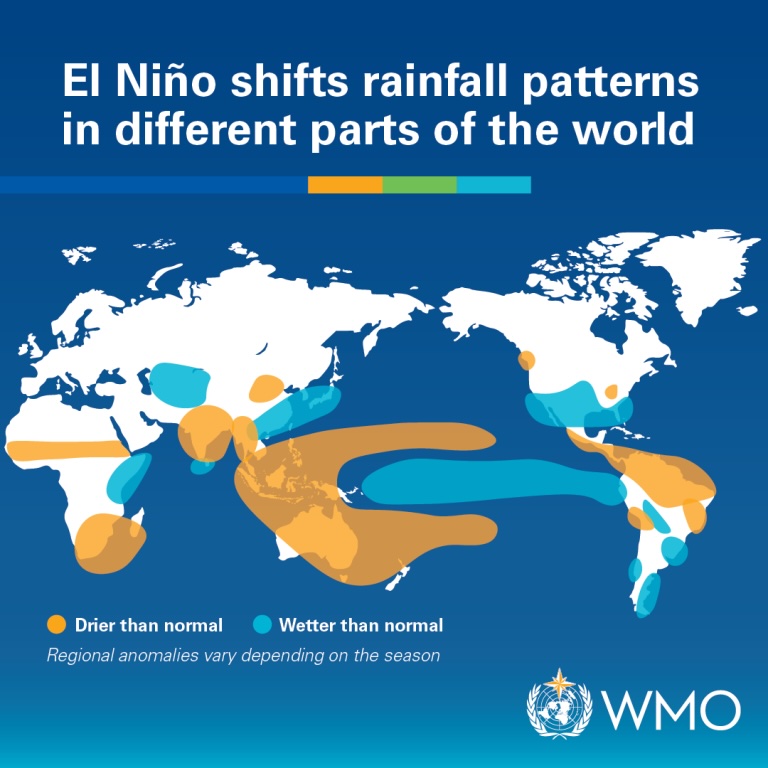
El Niño can cause major shifts in weather patterns around the world, with the Met Office saying many of the expected impacts are already being felt.
More than 450,000 people are projected to die from the additional heat brought by the super El Niño by February 2027, according to estimates by climate scientists. The toll is on top of the early deaths resulting from temperatures already driven up by the climate crisis. It will strike across the globe, from Indonesia to India, and Nigeria to the US. Many further deaths are expected from the droughts, wildfires and flooding that El Niños bring.
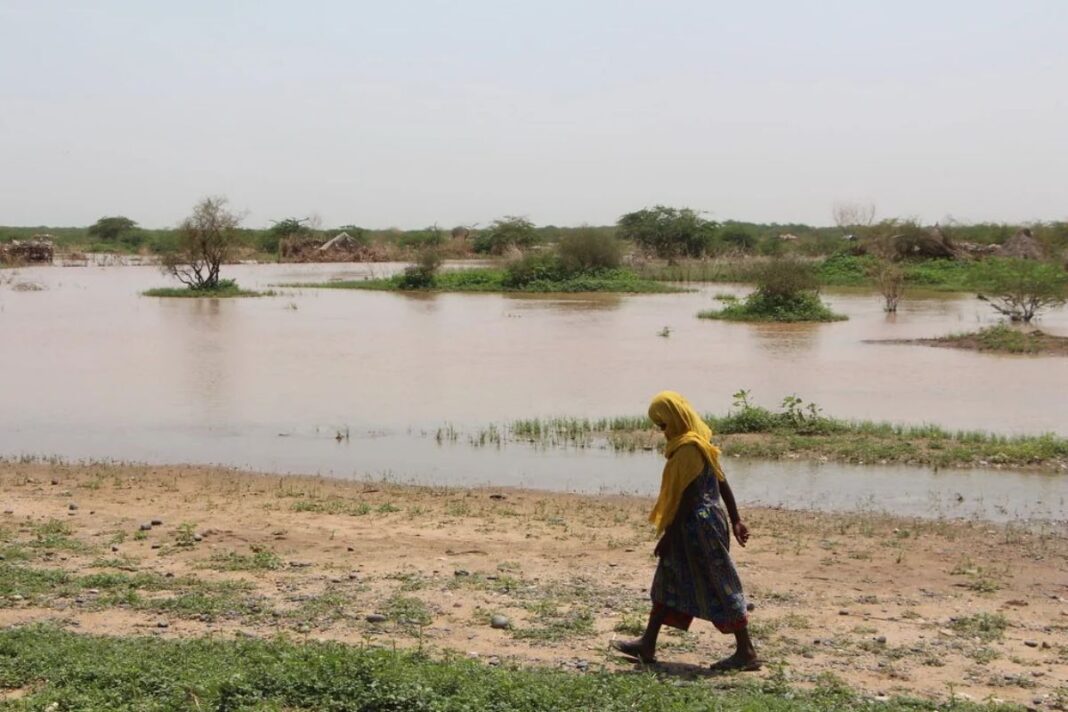
An El Niño-driven drought is compounding a severe famine crisis in war-torn Sudan, where record-low rainfall and nearly three years of civil conflict have devastated harvests and food supplies.
Key Impacts of El Niño in Sudan
- Historic Drought: Rainfall from July to September 2026 (the peak rainy season) was the lowest in over three decades across the country, dropping to historic lows not seen since 1984 in North Darfur and 1990 in North Kordofan.
- Famine and Food Shortages: The combination of war and drought has depleted food stocks in Greater Darfur and Greater Kordofan, pushing communities toward famine thresholds.
- Malnutrition Rates: Over half of the children assessed in isolated regions like Jebel Marra are chronically malnourished (stunted), and acute malnutrition is rising sharply.
- Projected Numbers: The UN World Food Programme (WFP) warns that additional millions face severe hunger as agricultural production and Nile River water levels remain critically low.
In June 2026, the Integrated Food Security Phase Classification (IPC) reported that 5.1 million people in Sudan were experiencing severe food insecurity. Although the figures were expected to decline with the start of the harvest season in November and December, an El Niño-related drought is now projected to worsen hunger levels.
The UN World Food Programme forecasts an additional 350,000 people will experience severe hunger by the end of 2026, rising to 1.2 million more by August 2027.
Global Impacts
- South America: Brings heavy rains, severe flooding, and landslides to countries like Peru and Ecuador.
- Asia, Australia, and Indonesia: Increases the risk of dry conditions, severe droughts, heatwaves, and intensified wildfire seasons.
- North America: Causes warmer and drier conditions across northern parts of the U.S. and Canada, while the U.S. Gulf Coast and Southeast tend to experience wetter, stormier winters.
- Atlantic vs Pacific Hurricanes: Typically leads to a quieter Atlantic hurricane season, though it can influence activity in the Pacific.
- Global Temperatures: By releasing massive amounts of heat from the Pacific Ocean into the atmosphere, El Niño amplifies global background warming.
You can track current conditions and historical data via the World Meteorological Organization (WMO) or the National Oceanic and Atmospheric Administration.