



Sudan remains in the grip of a devastating war between the Sudanese Armed Forces (SAF) and the Rapid Support Forces (RSF), which began on 15 April 2023. More than three years later, the conflict is not just a fight for military control. It has shattered communities, displaced millions of people and pushed much of the country into a humanitarian catastrophe. While the overall death toll remains uncertain, aid workers estimate that more than 200,000 people have been killed. The war has also created the world’s largest hunger and displacement crisis, with more than 14 million people displaced.
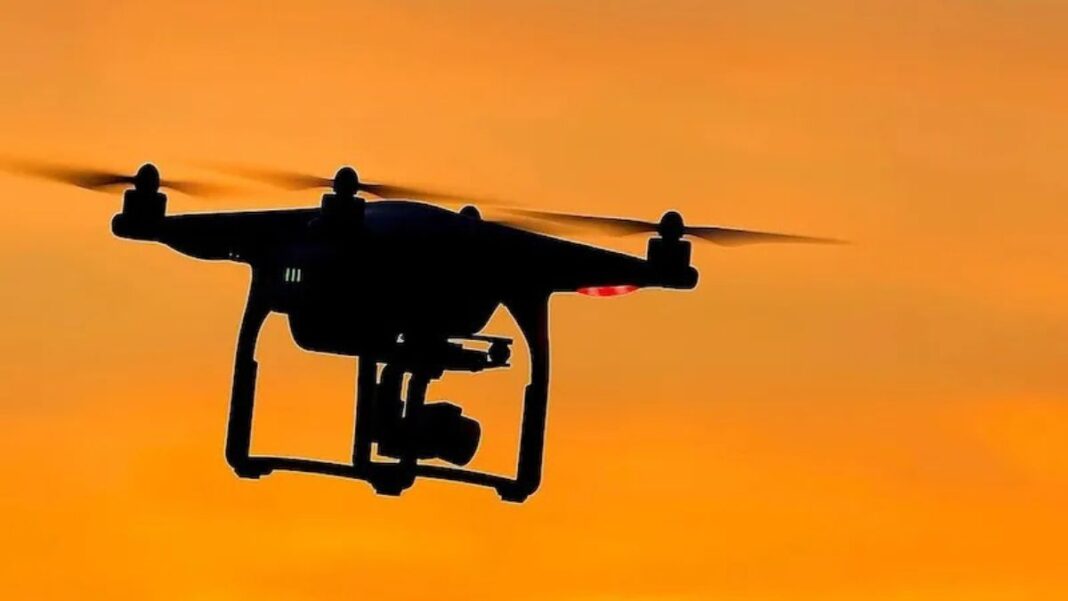
The war is increasingly being fought with drones and airstrikes, with deadly consequences for civilians. Since the beginning of October 2026, drone attacks have reportedly escalated, with strikes occurring daily and killing civilians, including children.
The most alarming recent attacks fall into three connected stories: a deadly strike on a market in Abyei, attacks on displaced families in West Kordofan, and the growing use of drones against fuel supplies and other infrastructure across Sudan. Together, these attacks have reportedly killed more than 300 people across the country. At least 12 children, some as young as two, were reportedly killed in two separate incidents in West Kordofan and Khartoum states in recent days.
The most disturbing aspect of this escalation is that drones are not being used solely against military positions. Their use around markets, homes, fuel supplies and humanitarian routes is making everyday life increasingly dangerous for civilians, including those who have already fled their homes to escape the war.
Abyei: the attack that killed at least 153 people
On 19 October, an attack on Amiet market in the disputed Amiet market area and nearby Todach in Abyei, the oil-rich territory disputed by Sudan and South Sudan. By 21 October, the reported death toll from the Amiet attack had risen to at least 153 people with some sources stating up to 300 deaths. Around 8,000 people were reportedly forced to flee. Responsibility and the circumstances of the strike remain disputed.
Here’s what we know about the attack:
- The location: Amiet is an important trading market serving communities on both sides of the Sudan–South Sudan border. Fuel is among the goods traded there.
- The casualties: Local officials reported mass deaths and severe burns. Doctors Without Borders (MSF) said it was treating more than 20 wounded people, some with serious burns.
- Who is accused: Abyei and South Sudanese officials blamed the Sudanese Armed Forces (SAF). The United Nations condemned the attacks but did not publicly identify the perpetrators in its statement.
- The military explanation: An unnamed Sudanese military officer told the Associated Press that the army had targeted fuel tankers allegedly carrying supplies to the RSF. The officer characterised those killed as RSF members and fuel smugglers. This account has not been independently verified.
- South Sudan summoned Sudan’s ambassador to protest the attack. The UN Secretary-General called for civilian protection, accountability and respect for Abyei’s demilitarised status.
Why this is particularly serious: Even if a military force believes a fuel depot or shipment is supporting its opponent, it must still distinguish military objectives from civilians and comply with the rules of proportionality and precautions in attack. A high civilian death toll warrants urgent investigation, although casualty figures alone do not establish the legal classification of an attack.
Is the war spreading into South Sudan?
The Abyei attack raises serious concerns about the conflict’s regional implications. Abyei is claimed by both Sudan and South Sudan and has a complicated security and political status. It is also a commercial corridor linking communities across the border. Reports that the market’s fuel facilities had previously been used to supply the RSF help explain why the area has become strategically important. However, an attack in disputed Abyei does not, by itself, establish that Sudan and South Sudan are at war. South Sudan has protested the attack, while the circumstances and responsibility require further investigation
West Kordofan: displaced families hit again
On 9 October 2026, just 10 days before the Abyei attack, drone strikes reportedly killed at least 17 civilians in West Kordofan, including women and children. According to the UN Office for the Coordination of Humanitarian Affairs (OCHA), at least 12 people were reportedly killed and eight injured when a drone struck a building sheltering displaced families in An Nuhud. A separate strike in a residential neighbourhood in Ghubaish reportedly killed five people, including three children.
On 17 October, at least nine children – five boys and four girls, aged between five and ten – were killed in an attack on a camp for displaced families east of Sanakit.
On 18 October, a drone strike near a market in Al-Dibab in West Kordofan killed 80 people. The attack is one of the deadliest single strikes since war broke out in April 2023. A separate drone strike near the capital’s airport killed three children aged two to six.
On 20 October, drone strikes killed 16 people in El Odaiya and five more, including a child, in Abu Zabad.
The UN did not identify who carried out either strike. Its warning was particularly stark: people who had already fled violence were being killed in places where they had sought refuge.
The attacks are not confined to Abyei
The Abyei massacre occurred amid a broader escalation of drone warfare.
El Obeid, North Kordofan: In July, the UN High Commissioner for Human Rights reported that 15 drone strikes around El Obeid between 6 and 28 June had killed at least 45 civilians and injured 41. Both sides have used drones across the wider Kordofan region, hitting markets, fuel stations, schools, water infrastructure and civilian vehicles.
Dilling, South Kordofan: On 3 October, two trucks contracted by the World Food Programme were struck while transporting emergency food rations towards Kadugli. The attack killed a driver and disrupted relief deliveries, according to OCHA.
Khartoum: On 19 October, an armed drone struck a residential area in Khartoum, reportedly killing three children – two girls and one boy aged between two and six – along with their father.
Nyala, South Darfur: On 19 October, another drone attack hit the RSF stronghold of Nyala. Medical and RSF sources said 17 people, including seven RSF officers, were killed and 23 wounded.
Other recent attacks
At least 72 civilian workers (with some sources stating 200) were killed following airstrikes on 10 October 2026, at an artisanal gold mining site in Jabal Al Yukaidat (North Wadi) near the disputed Sudan-Egypt border. De facto leader and army chief, Abdel Fattah Al Burhan, ordered a fact-finding investigation into the incident. Sudanese rights groups and local media blamed the Egyptian Air Force, pointing to unexploded munitions found at the site (such as a NASR 400 bomb). Egypt has not explicitly confirmed or acknowledged carrying out strikes on the Sudanese side of the border. Instead, Egypt stated it conducted a large-scale military and police security operation targeting illegal mining and smuggling strictly within its own territory
Drone warfare: Why are drones becoming such a major part of the war?
Drone warfare is the use of unmanned machines, particularly drones, in military operations. These systems can be controlled remotely by human operators or, in some cases, operate autonomously using pre-programmed instructions or artificial intelligence. They include aerial drones, unmanned boats and underwater vehicles, and ground-based robots. Some small drones can be carried and deployed by individual soldiers for short-range surveillance and support operations.
Drones allow military forces to strike targets far behind conventional front lines without putting pilots directly in danger. Depending on their size and capabilities, they can be used for surveillance, reconnaissance and attacks on vehicles, supply routes, military facilities and infrastructure. They have changed modern warfare by providing a relatively low-cost way to monitor enemy movements, carry out targeted strikes and support military operations.
In Sudan, drones are also being used to disrupt opposing forces’ supply lines and logistics.
Fuel is particularly important. Armoured vehicles, trucks and generators all depend on it. Disrupting fuel supplies can weaken military operations, but attacks on fuel depots and transport hubs can also deprive civilians of electricity, transport, clean water and essential goods.
The UN has documented drone attacks by both sides in Kordofan, including attacks attributed to RSF drones that damaged fuel stations.
Drone warfare is also a feature of other conflicts, including the Russia–Ukraine war and conflicts involving Iran and the United States, as well as the conflict involving the Houthis and Saudi Arabia.
What should we watch next?
The most important questions in the coming days are:
- Will an independent investigation establish who ordered and carried out the Abyei strikes?
- Will Sudan and South Sudan take concrete steps to prevent further violence around Abyei?
- Will the civilian death toll rise as recovery operations continue?
- Will drone attacks intensify around Kordofan, particularly El Obeid, Dilling and Kadugli?
- Can humanitarian organisations continue delivering food and medical supplies without being attacked?
Disclaimer: This article was written with AI assistance.