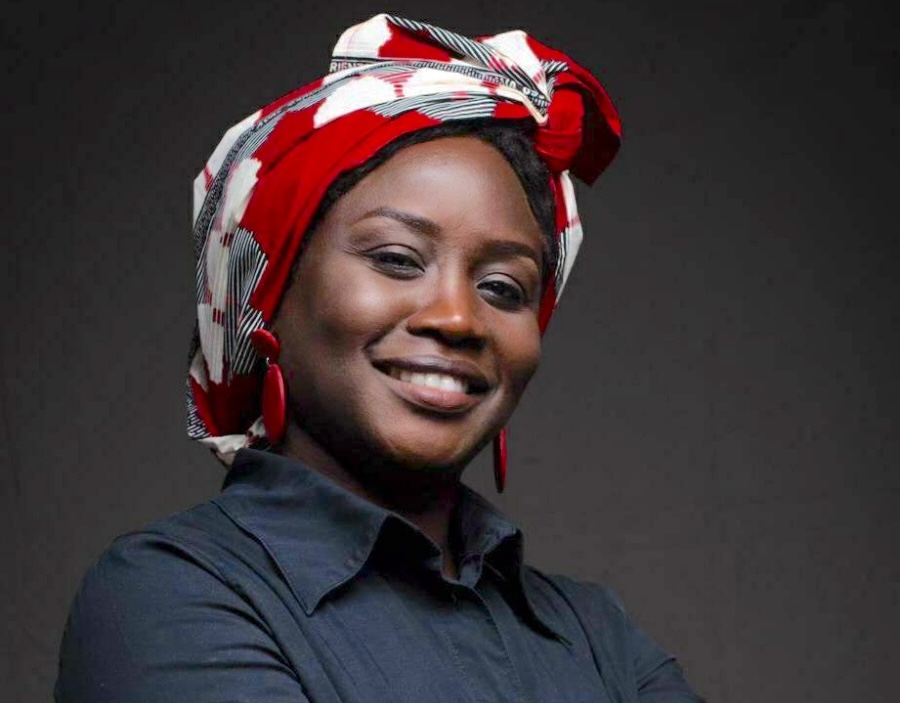
In South Sudan, the country where the ink of independence is still drying and the wounds of conflicts remain present in the memory of the nation. Stella Gaitano, a South Sudanese pioneer writer, stands as a literary beacon. Gaitano’s stories, steeped in poetic realism and political urgency, transcend criticism to catharsis, a rare kind of hope that South Sudanese desperately need as a nation grappling with many hardships and political fractions. However, her writing reminds us that storytelling is not just art, it is a tool for resistance, remembrance, and roadmap to healing.
Earlier this month, on 10 October, Gaitano was recognised with the PEN Pinter Prize 2025, shared with Sudanese-Scottish writer and author Leila Aboulela underscores her role as a Writer of Courage, a title given to those who defend freedom of expression at high personal risk. This international acknowledgment is not just a personal accolade, it is a validation of South Sudanese literature as a force for global dialogue. The question is what makes Gaitano’s work resonant today? It is the capacity to imagine hope. Through the eyes of her countrymen and women, peace agreements falter and humanitarian crises persist, her stories do not offer easy optimism. Instead, they situate hope in actions of remembering, reclaiming identity, and in rebuilding community. The characters in her stories often find solace in small acts such as sharing food, telling stories, and planting trees. Such moments, though modest, are revolutionary in their defiance and despair.
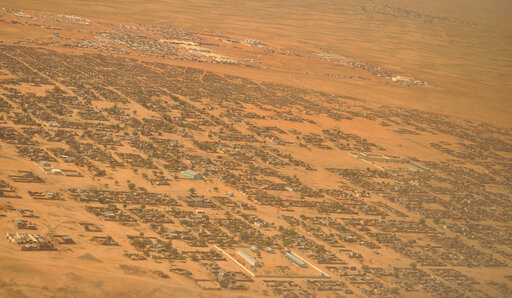
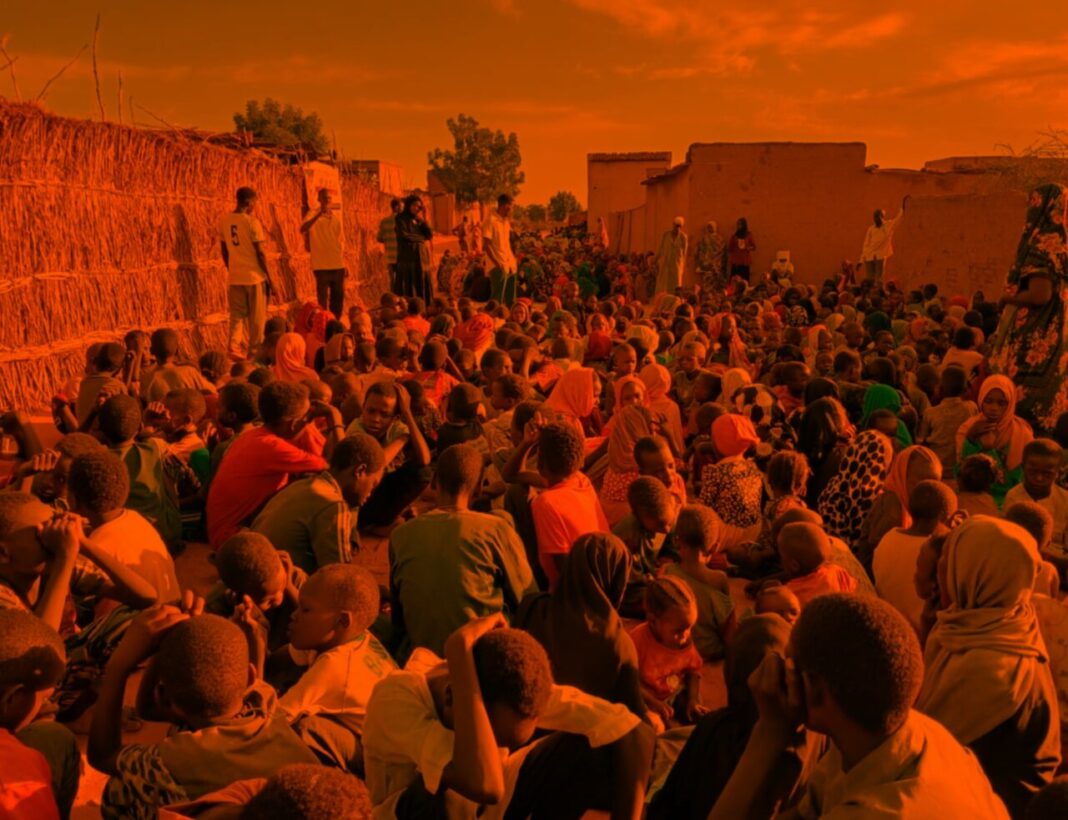
Born in Khartoum in 1979 to South Sudanese parents, a citizen of a new nation still searching for its soul, her life has mirrored the contradictions of her homeland: a Southern identity forged in the north. She is a former pharmacist graduating from the School of Pharmacy of University of Khartoum. Her early works, such as Withered Flowers (2002), tells stories of people who have been displaced by conflicts in southern Sudan such as Darfur and the Nuba mountains, and were forced to live in camps for internally displaced people (IDP) near Khartoum. However, after South Sudan’s independence in 2011, her pen turned inward, confronting the failures of the new republic with equal fervor.
Throughout her short stories, Gaitano doesn’t romanticise suffering. Instead, she humanises it. Her characters are not symbols,they are people, mothers, children, displaced villagers, and exiled dreamers. Through them, she highlights themes such as dual identity, exile, and the betrayal of liberation. Her writing style is lyrical yet grounded, weaving myth and metaphor into narratives that feel both timeless and urgent deconstructing tragedy and advocate for self-reconciliation.
Gaitano’s influence on the public opinion becomes profound as her fiction turned into truth-telling that is not just read but felt, debated, and remembered in a country where political discourse is often silenced or weaponised. Moreover, they challenged the readers to confront uncomfortable realities–the continued displacement, corruption of post-independence leadership, and more importantly the erosion of cultural memory. Yet, her stories offer something rare in the country’s public life which is empathy.
In 2018, she published Edo’s Soul, the first South Sudanese novel to win the English PEN Writers Translates Award in 2020. According to ArabLit, an online magazine for information about translation of Arabic Literature into English: “The novel begins across a rural context, in a small impoverished village full of mystery, rituals, and superstition, and it ends in a jam-packed city with all its complications. In the same publication, in January 2024, Marcia Lynx Qualey, the literary critic and editor, wrote a review about the English translation of the novel, titled ‘Children to Fill The Entire Earth’ describing it as “an epic battle between the forces of Motherhood and Death.” However, in my opinion Qualey’s critique is the best illustration of the power dynamic between Southern Sudan and Khartoum if we look at the novel as truth-telling creative work spanning several generations from the 1960s onwards. Obviously, we can see the systemic social injustice, racial discrimination, and many other hardships that we rarely talk about in our cultural platforms and circles.
Gaitano’s influence also extends to the diaspora. Every single story bridges the gap between South Sudanese at home and abroad, not forgetting her readers from our sister country Sudan who have emotional connections with their brothers in the Southern side. Moreover, Gaitano’s work offers a shared language of struggle and resilience. In doing so, her stories have become part of the cultural fabric that transcend borders and communities to foster a force for change.
Gaitano’s writing about South Sudan and its community carries the weight of its history, the complexity of its identity, and the urgency of its future. Her voice does not shy away from the nation’s failures. However, it refused to surrender to them. Her stories ask us to listen, to remember, and to imagine the better future in a country still searching for its narrative, that is perhaps the greatest gift a writer can offer.
Related posts

Butros Nicola Bazia, born in Khartoum, Sudan in 2001, is a South Sudanese freelance writer, storyteller, and cultural commentator based in Juba, South Sudan. Nicola serves as columnist at 500 Words Magazine and contributed to multilingual regional and international platforms including The New Humanitarian, Mundo Negro, El Pais, Contemporary&, The Van-Magazine, and among others. His work explores the intersections of arts and socio-cultural dynamics, with a focus on South Sudanese narratives in the global conversations.