



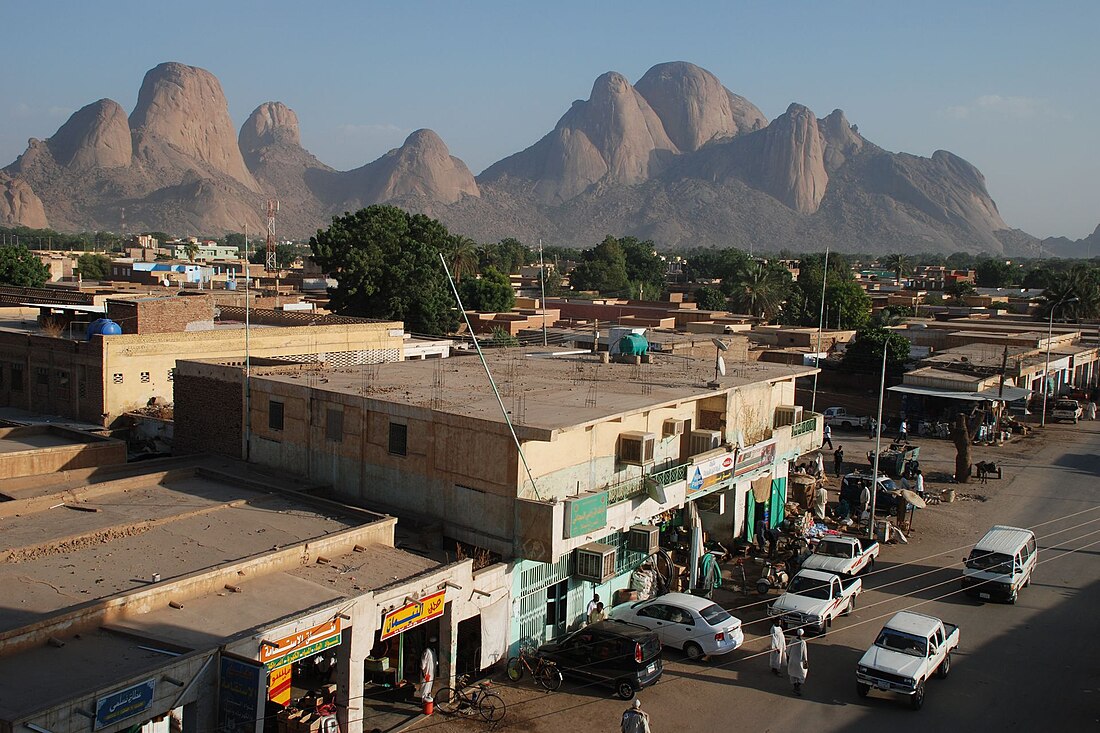
It was a late night when they arrived, dust-covered, exhausted, visibly shaken from the horrific journey they endured. My aunt, along with her family, my brother, and my cousin – carrying his toddler in one arm and a bag in the other – all jammed into a car that somehow managed to get them out of Wad Madani, the capital city of Al Gezira, Sudan‘s second-largest state. The city was attacked by the paramilitary Rapid Support Forces (RSF) in December 2023 after fighting broke out between the RSF and the Sudanese Armed Forces (SAF) in Khartoum on 15 April 2023.
Fleeing war a second time, they had made their way to us in Kassala city and state in eastern Sudan – we who had also fled war. They carried only what they could, and a heaviness that could not be measured. There were no words at first, we just stood there, in an attempt to comprehend the magnitude of events, then folded into each other in tears. Until this day, I cannot tell if they were tears of sorrow or relief – possibly both.
That night, and many nights after, we shared more than just space, we shared meals, beds, blankets, and even silence. Our houses were full, the kitchens were rarely cold, and most days were spent in the presence of a candle that declared the darkness had not won. Although, our relatives are fortunate to have found a residence; not everyone was, most of the internally displaced persons (IDPs) took shelter inside schools. Hotels became overflooded with people and many different accommodations were also made in an attempt to encompass as many people as possible.
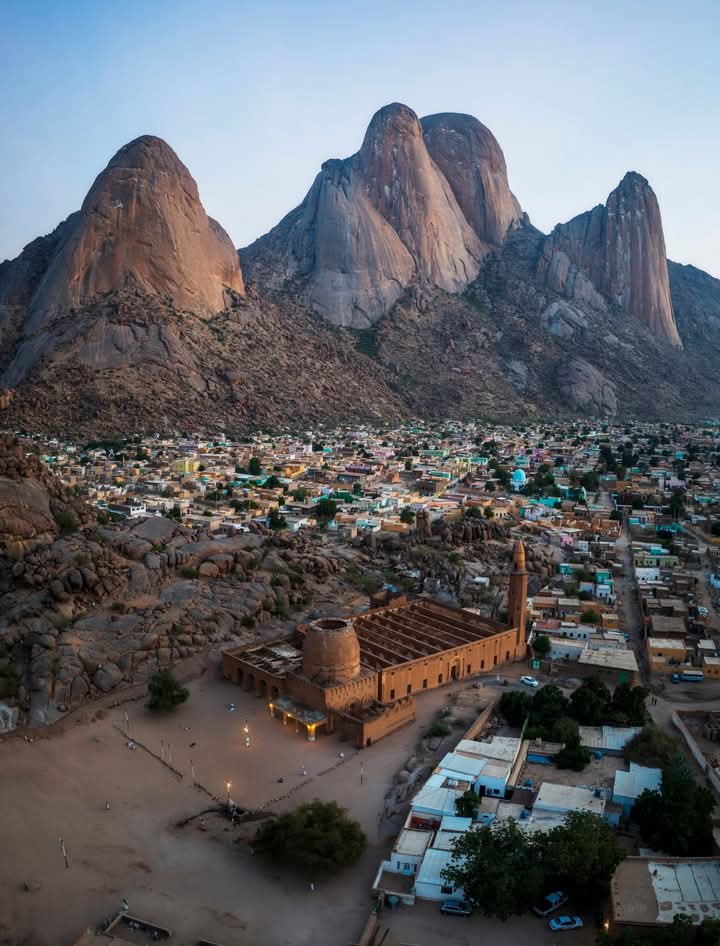
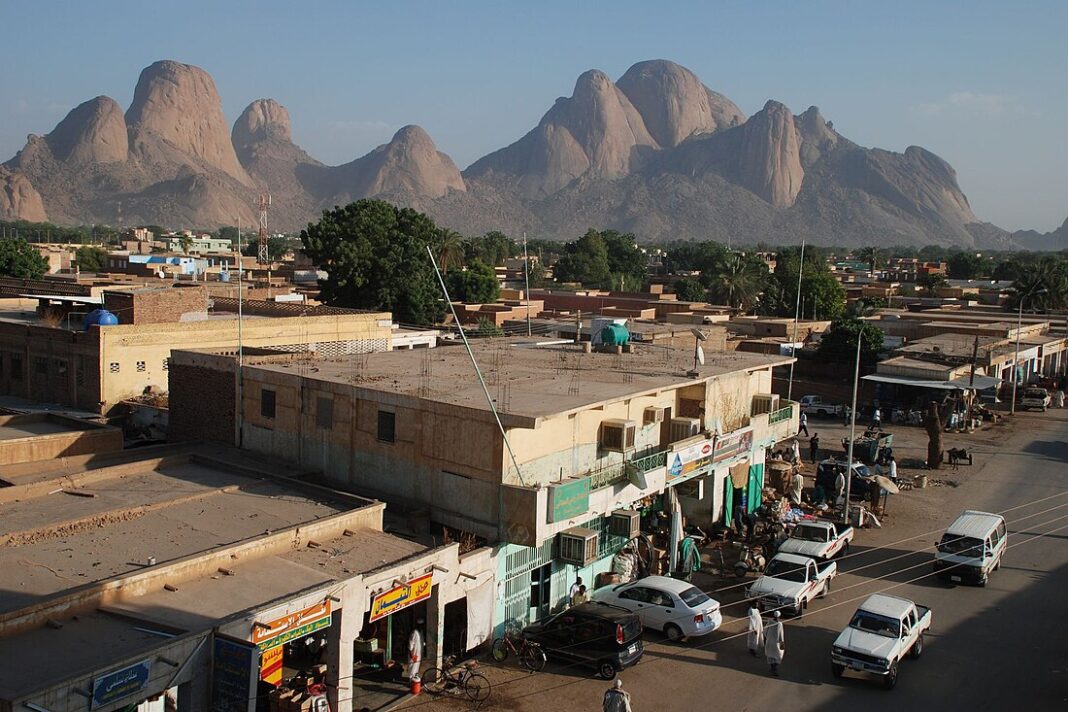
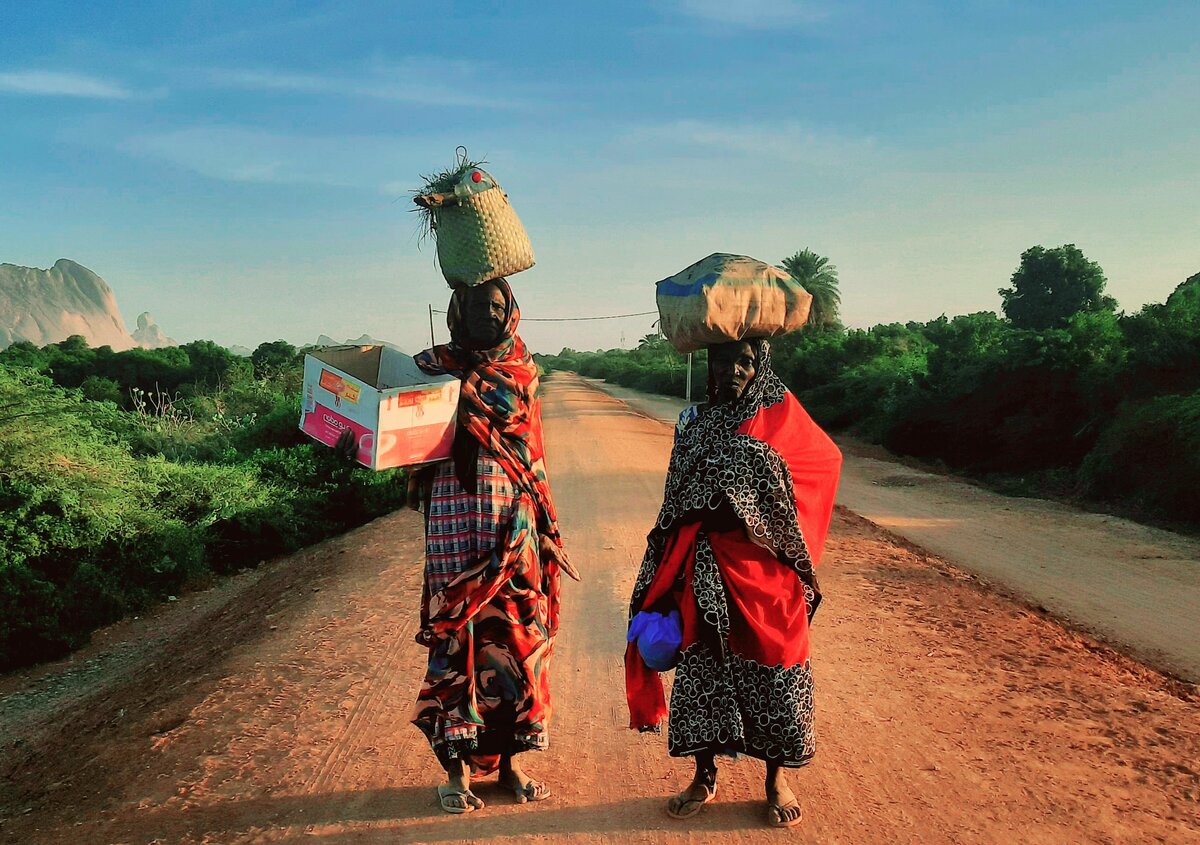
Kassala is one of Sudan’s most beautiful states. Before the war, it attracted both Sudanese and international visitors with its famous landmarks, including the Taka Mountains and Jebel Totil, the Al Gash River, the Seyyid Hassan Mosque and Tomb, and the vibrant Kassala Souq. It was also a popular honeymoon destination for many Sudanese couples.
The Taka Mountains remain one of Kassala’s most beautiful landmarks, drawing both new residents as well as the longtime residents. People go there not just to admire the view, but also to feel grounded and at peace. Al Gash River, also known as the Mareb River, flows through Kassala, dividing it into eastern and western parts. A seasonal river originating in the highlands of Eritrea, it is crucial for agriculture in the region.
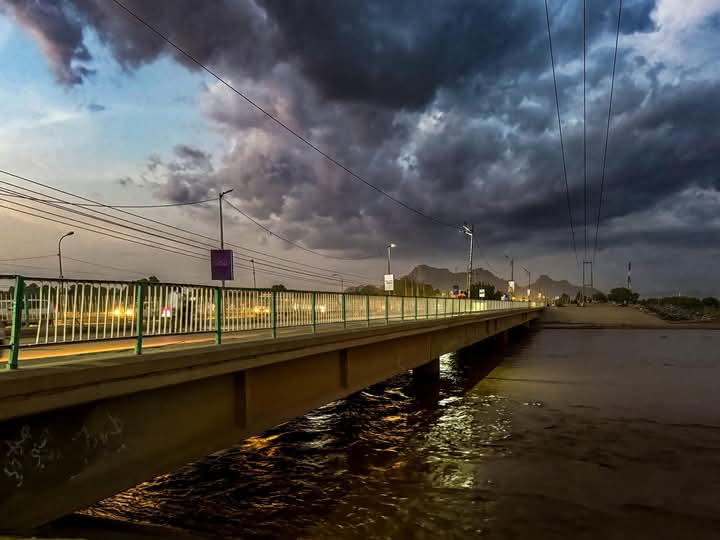
The war has not yet reached us in Kassala, but it was approaching in ways that often were quiet but devastating. The city was bursting at the seams, overfilled with displaced families, arriving daily. The city felt heavier, grief drifted through open windows, carried by voices telling stories no one planned to live through.
Kassala remains physically untouched for the most part, but war has a way of traveling silently. The fear echoes in news and radio stations, you spot it in people’s eyes, and in the cracked silence between words. We are close enough to witness the consequences, the pain and destruction, the long march of families arriving ever, the long march of families arriving every day, yet far enough to act as a refuge for those fleeing it.
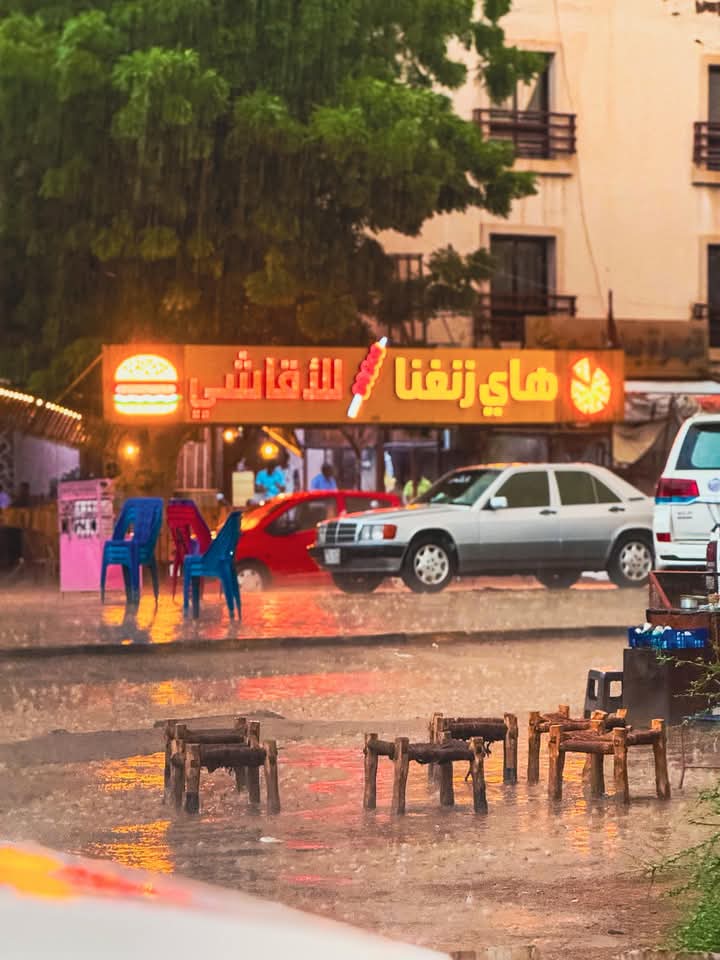
Through it all, we found a rhythm in the chaos. Every evening, we gathered around a pot of tea, some nights we were fortunate to have electricity, other nights a candle would have to do. We shared stories, sitting in a loose circle on mismatched chairs, with children running around or playing made-up games. We laughed at the silliest of jokes, as an attempt to ease the burdens. At times, some gather at restaurants and cafés to enjoy a meal or a light bite away from home. Those small moments gave us a reprieve from the daunting reality.
It is now more than a year and half since war reached Wad Madani, although SAF eventually managed to regain control of the city along with Al Gezira State in January 2025. Kassala still hosts displaced families who have come to see it at home. According to the International Organization for Migration’s (IOM) Displacement Tracking Matrix, as of December 2024, there were approximately 393,337 internally displaced persons (IDPs) in Al Gezira State and approximately 351,912 IDPs in Kassala State.
Life has since started to re-shape around the remains, and people started to rebuild, with many choosing to resume their old professions, especially in the medical field, such as my siblings and cousins for example; others have found new revenues of income and opted to start businesses.
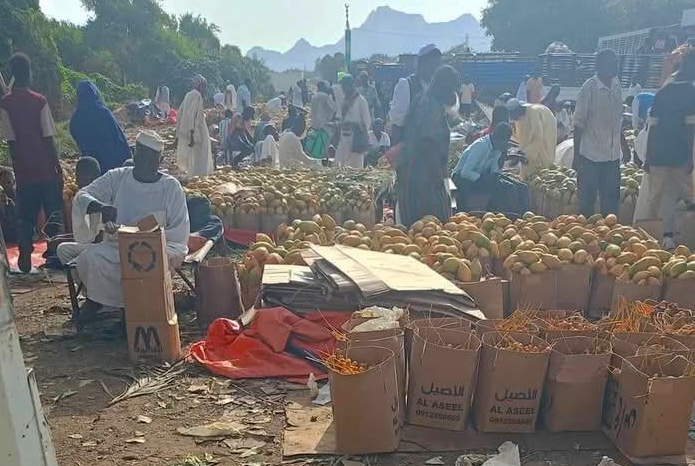
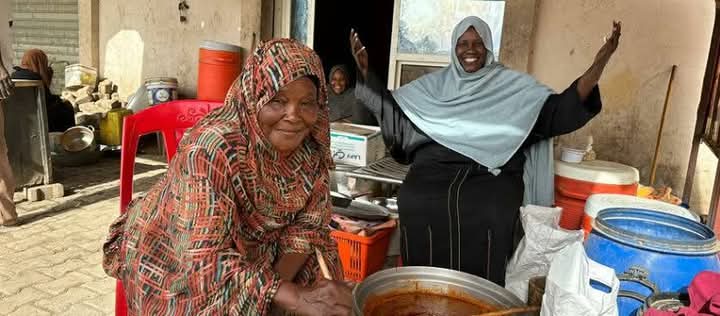
There is now a blooming and growing souq with local soaps and cosmetic products, textiles, henna art, incense, bottled water, and thermal charcoal made by entrepreneurial men and women stepping into informal trade. Kassala is one of the select locations where UN offices are still maintained, UNDP has had several initiatives helping and providing micro funds for these businesses. Providing microloans, solar powered tools, and training to sustain small commerce in Kassala’s main marketplace as well as the neighbouring villages.
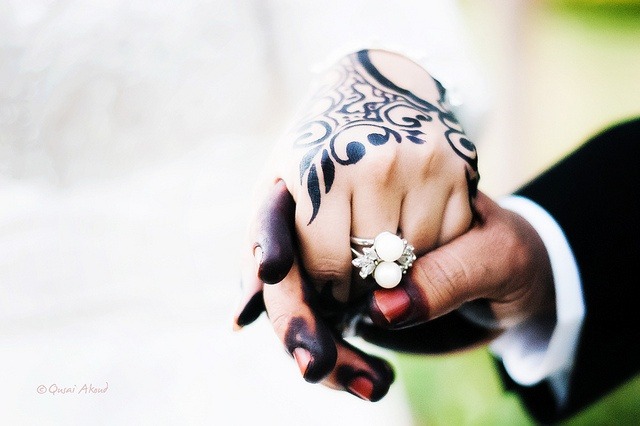
Embroidery and artistry circles have emerged, reviving traditional henna-inspired designs for domestic creativity and a new addition to the souq. There are also social gatherings that have offered a much-needed respite from the hardships of previous years, as it offered both displaced residents and longtime locals a chance at small pleasures amid recovery.
Children, who once rejoiced in school closures, soon grew restless, which led a group of retired public school teachers to launch volunteer classes under shaded trees and in empty rooms. Within weeks, classrooms echoed again with reading aloud and recitations, restoring a much appreciated sound of learning. High school students are now back and preparing to take the final examinations in places where UNICEF and education partners have distributed materials to over 15,000 students in 2025.
Neighbours now check on each other regularly sharing water, news, food, or just a kind word. Community bonds are repaired through small acts of care. Several marriages between displaced families and locals have taken place, rooted in shared hardship and mutual support. These partnerships remain strong, reflecting a deeper solidarity emerging from the crisis. These routines of walking in the afternoons, reading together, crafting, and tutoring children, do not erase the past. But they signal a delicate revival: a city finding its rhythm again.
Living through war changes a person, you stop expecting comfort and instead focus on continuity. The goal shifts into getting through the day, making sure no one goes to bed hungry, and working hard every day to find something to smile about. We stayed through it all, not because there was no choice, but at the time, leaving didn’t seem like the best option. In part, due to the optimistic idea that it will end soon, but more so because change was quite difficult.
There is loss, grief, heavy burdens that are depleting. However, there is also cooperation, stubborn resilience, and a beautiful form of strength and determination you see in almost every face around you.
What I carry now is more than just a memory, but an awareness, and a new understanding of how quickly life becomes unrecognisable. How little control we truly have over the course of events, and the uncanny ability we have to still wake up every day and still try. So as I share this, I remind myself not with what we have endured, but rather how we chose to face up to it, with patience, dignity and hearts wide open even when nothing felt certain.
Tuqa A Hafeez is a 31-year-old architect based in Sudan, currently exploring the world of writing. She is a passionate thinker, creative person, and a film, music and book enthusiast with a huge appetite for knowledge.

Sarah Taj-Elsir is an architect based in Sudan, currently exploring the world of writing. She is a passionate thinker, creative person, and a film, music and book enthusiast with a huge appetite for knowledge.