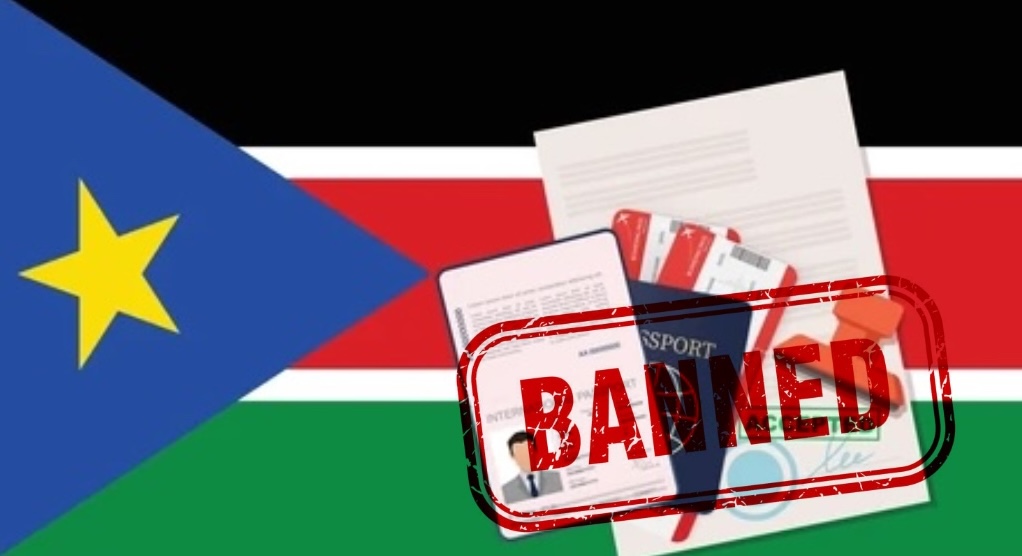
President Donald Trump has expanded a US travel ban, barring nationals of South Sudan and four additional countries from entering the US.
In addition to South Sudan, the full-entry restrictions will be imposed on people from Burkina Faso, Mali, Niger, Syria and Palestine and will come into force on 1 January 2026.
According to the White House, the restrictions intend “to protect the security of the United States” and will come into force on 1 January. Trump, who has tightened immigration controls since returning to the White House in January 2025, said the expanded travel ban was necessary because of what his administration described as failures in screening and vetting systems overseas.
US government officials cited high visa overstay rates, unreliable civil records, corruption, terrorist activity and a lack of cooperation in accepting deported nationals.
The administration also moved Laos and Sierra Leone, which were previously subject to partial restrictions, to the full ban list and put partial restrictions on 15 other countries, including Nigeria, Tanzania and Zimbabwe.
This is the third time Trump has imposed a travel ban.
During his first term, he introduced a similar order in 2017, which sparked protests and legal challenges in the US and abroad. The policy was later upheld by the US Supreme Court.
The latest restrictions also places people from Sudan under full-entry restriction.
Countries with full restrictions:
- Afghanistan
- Burkina Faso
- Burma
- Chad
- Equatorial Guinea
- Eritrea
- Haiti
- Iran
- Laos
- Libya
- Mali
- Niger
- Republic of the Congo
- Sierra Leone
- Somalia
- South Sudan
- Sudan
- Syria
- Yemen
- Palestine
Partial restrictions:
- Angola
- Antigua and Barbuda
- Benin
- Burundi
- Côte d’Ivoire
- Cuba
- Dominica
- Gabon
- The Gambia
- Malawi
- Mauritania
- Nigeria
- Senegal
- Tanzania
- Togo
- Tonga
- Venezuela
- Zambia
- Zimbabwe
Special case:
- Turkmenistan (restrictions remain for immigrants but have been lifted for non-immigrant visas)
According to the White House, the restrictions would remain in place until affected countries show “credible improvements” in identity management, information-sharing and cooperation with US immigration authorities.
A number of exceptions apply and the ban will not affect lawful permanent residents, many existing visa holders, diplomats, or athletes travelling for major sporting events. Officials said case-by-case waivers would also be available where travel is deemed to be in the national interest.
For more information, visit whitehouse.gov.
Related posts