
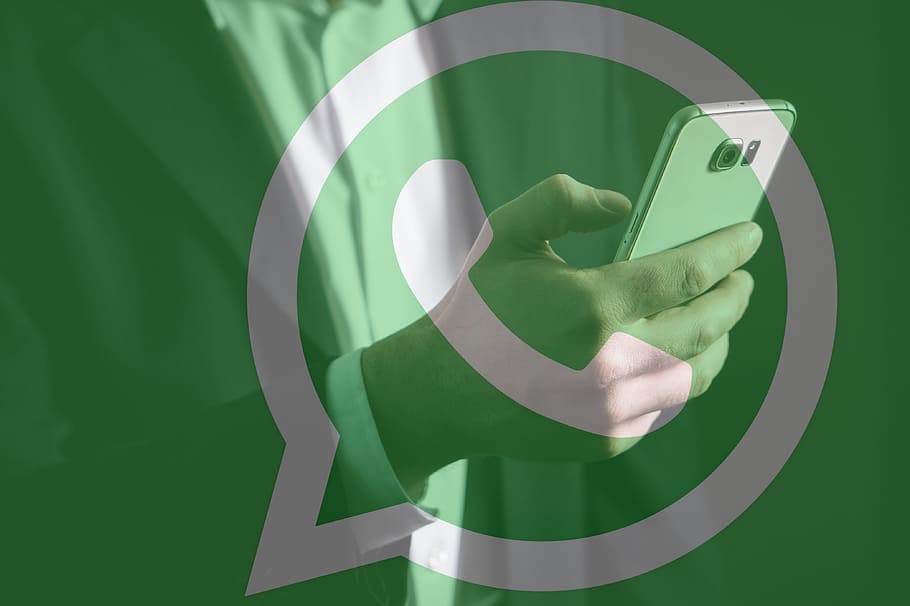
The Telecommunications and Post Regulatory Authority (TPRA) in Sudan has issued a notice on Sunday, 20 July 2025 stating, a “precautionary restriction” on WhatsApp voice and video calling services.
The restriction will come into effect across the country beginning on Friday, 25 July 2025, until further notice.
According to Sudan News Agency (SUNA), the measure will be implemented to counter potential security threats and safeguard national security. ‘The TPRA notifies all subscribers and users of telecommunications services that WhatsApp voice and video calling services will be restricted in Sudan as a precautionary measure against security threats and to preserve national security and the country’s supreme interests,’ stated SUNA.
The TPRA confirms that other WhatsApp services, such as text messaging and group sharing, will remain available as usual without any restrictions.
Sudan is the latest country to impose WhatsApp call restrictions. Countries such as the UAE, Oman, Qatar, and Iran have imposed either full or partial WhatsApp call restrictions. In China, WhatsApp is mostly blocked, including calls and messaging as part of its strict internet censorship under the Great Firewall government initiative. Domestic apps such as WeChat dominate the space.
However, WhatsApp calls are still accessible with the use VPN or Virtual Private Network apps, which create a secure, encrypted connection over a less secure network like the internet, masking the IP address and encrypting data. This allows you to browse the internet privately, access geo-restricted content, and connect to private networks remotely.
Created in 2009, WhatsApp is a free American cross-platform messaging and calling app. It allows users to send text messages, voice messages, make voice and video calls, and share media like photos, videos, and documents with other WhatsApp users, all while using an internet connection. It is believed to have end-to-end encryption, ensuring that only the sender and recipient can read or listen to messages. However, many believe it is insecure because it is owned by Meta (formerly Facebook), a company known for major privacy scandals. In 2019, NSO Group’s Pegasus spyware exploited a WhatsApp vulnerability in 2019 to hack journalists and activists. In 2021, WhatsApp updated its privacy policy causing global backlash. People feared it would share private data with Facebook (Meta), even though the actual content of messages remains encrypted. Some believe governments can pressure Meta to hand over user data.
Although WhatsApp is widely considered the most used messaging app globally, with billions of monthly active users, there are many alternative messaging apps such as Signal, Telegram, Botim, Session, Viber, and Imo. In Sudan, many use Botim and Viber instead of WhatsApp.