


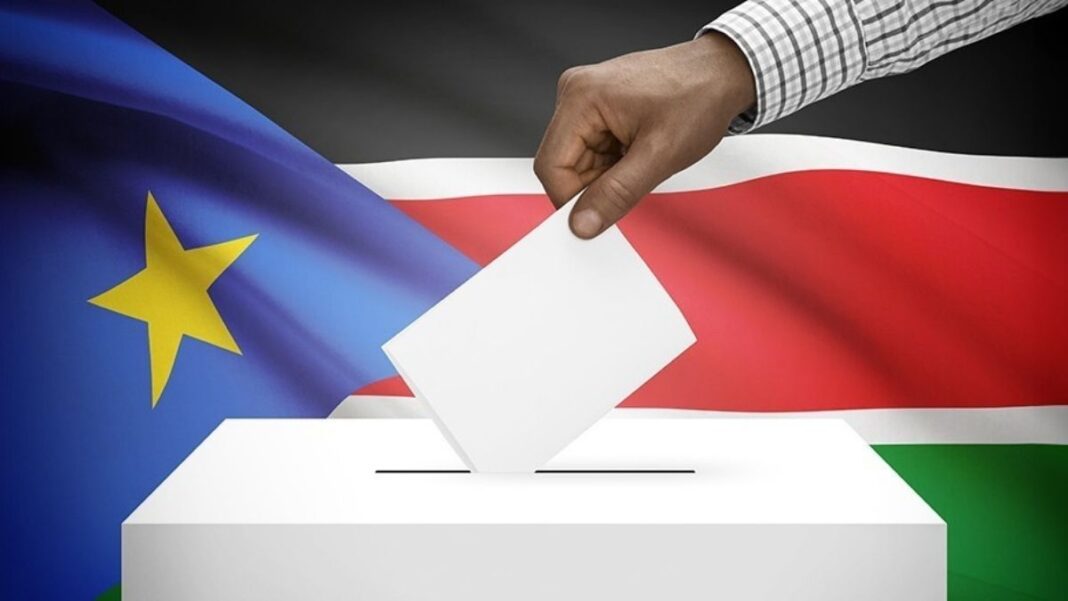
South Sudan is scheduled to hold its first-ever national elections since independence on 22 December 2026. The vote has been postponed multiple times since the country became independent in 2011, making this election a major test of whether the country can move from a prolonged transitional government towards a more democratic system.
South Sudan, the world’s youngest country, gained independence from Sudan in 2011. Since then, President Salva Kiir Mayardit has remained in office for 15 years.
Elections originally planned for 2015 were repeatedly delayed due to civil war, political disputes, insecurity, and the failure to complete key preparations such as drafting a permanent constitution, conducting a census, and establishing voter registration systems.
The country has been governed under transitional arrangements dominated by President Salva Kiir and his longtime rival Riek Machar, whose power struggle helped trigger the civil war that erupted in 2013. Kiir served as First Vice President of the unified Republic of Sudan from 2005 to 2011 under the Comprehensive Peace Agreement, assuming the role following the death of South Sudanese leader John Garang in 2005. Upon South Sudan’s independence in 2011, he became the country’s first president.
Machar was removed from his position as First Vice President and arrested in March 2025. He has been charged with murder, treason, and crimes against humanity, allegations he denies. Since then, he has remained under house arrest in Juba while fighting continues in parts of the country.
The 2018 peace agreement, which established a unity government led by Kiir with Machar as his deputy, envisaged elections in 2022. However, the vote was never organised amid ongoing tensions between the country’s political leaders. Continued disagreements between the two men could yet result in another delay.
At present, President Salva Kiir is expected to seek another term. Other politicians and opposition figures have expressed interest in running, but the political landscape remains fluid and candidate lists have yet to be finalised. Machar’s political future remains one of the biggest uncertainties surrounding the election.
There are growing concerns that South Sudan’s first-ever elections could be postponed once again due to rising political and security tensions. The United Nations and other international observers have warned that escalating violence could spill over into a renewed full-scale civil war, threatening both the peace process and the prospects for a credible election.