


As of 15 April 2026, war in Sudan between the Rapid Support Forces (RSF) and the Sudanese Armed Forces (SAF) has entered its third year with very limited mainstream media coverage that does not reflect the gravity of the resulting humanitarian crisis. According to UNHCR, over 11 million Sudanese have been displaced, and over 7 million expected to face famine, according to the World Relief Organisation.
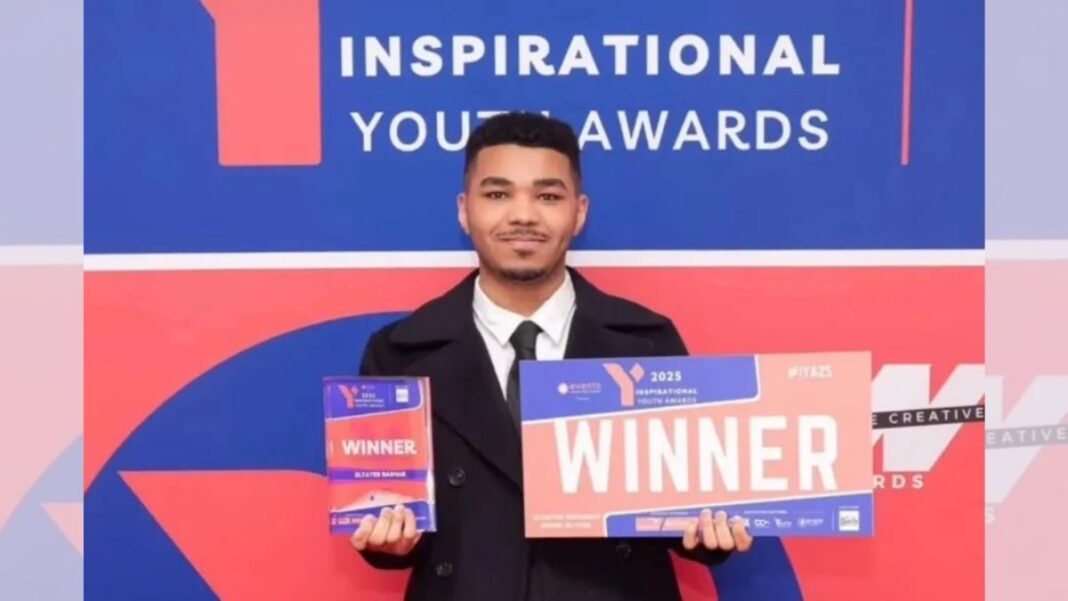
Despite the staggering numbers reported, very little has been made by major news outlets to broadcast the suffering of the Sudanese people. Twenty-six year-old Sudanese-British Cambridge student, Eltayeb Bashar, noticed this pattern early on. One of the leading youth leaders of his community, Bashar wrote extensively on the humanitarian crisis in Sudan, earning him awards for his contributions to the cause of the Sudanese people. He has been shortlisted for the prestigious BBC Make a Difference Awards 2026 in the Volunteer category recognising his outstanding voluntary work and commitment to community cohesion.
As charity leader and human rights campaigner, Bashar has long been recognised for his work. He has won first place at the 2024 Humanitarian Aid Relief Trust (HART) Prize for Human Rights in the Senior Essay Category for his essay “Sudan’s Forgotten War: Addressing One of the Greatest Humanitarian Crises of Our Time.” Furthermore, he is winner of the 2025 Birmingham Black Lawyers Student of the Year Award, 2025 UK Youth Activist of the Year Award, and a Worcester Annual Volunteer Award.
Bashar was born in Ireland in 2000 and moved to England at the age of 14. He is now based in Worcester. He holds LLB (Hons) in Law and LLM in International Human Rights Law at the University of Birmingham and is now pursuing a master’s degree in Social Innovation at the University of Cambridge. He is also the founder and CEO of Global Rights Alliance (GRA), a youth-led human rights initiative spanning more than 20 countries, empowering the next generation of human rights advocates. As writer and researcher, he has also dabbled in the world of journalism as he once was the editor-in-chief of The Birmingham Tab, a student-run news website across the UK.
The Sudanist sits down with Eltayeb Bashar to discuss his coverage of the war, parliamentary involvement and nomination among other topics.
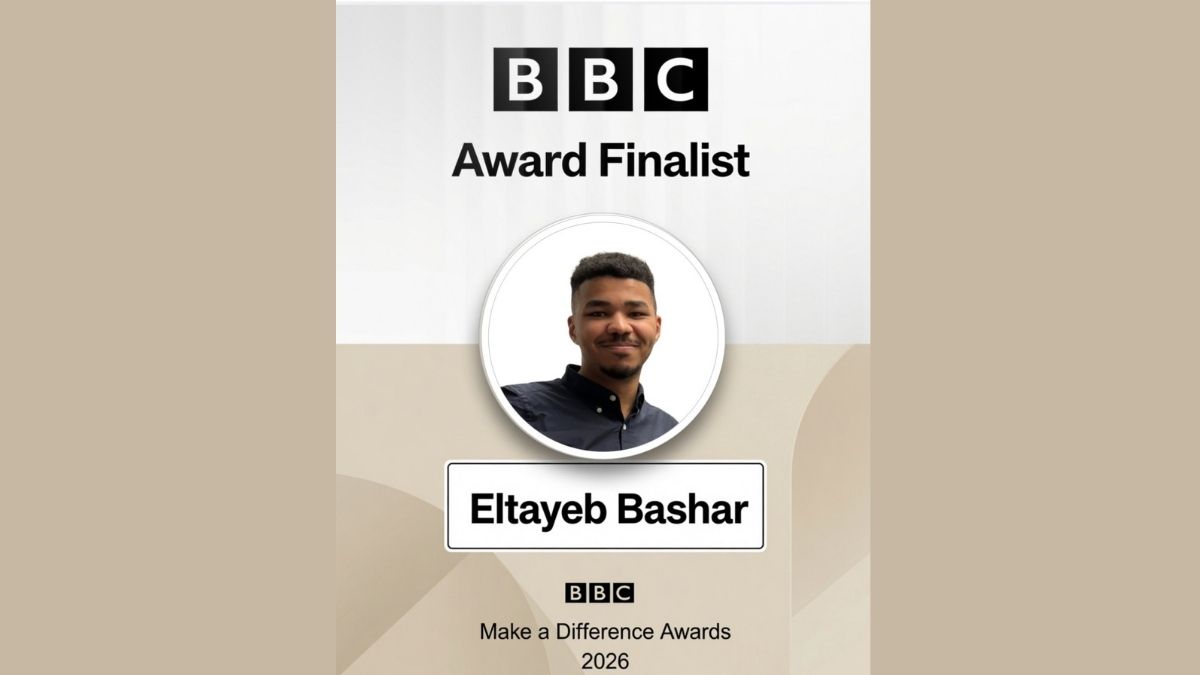
Congratulations on your nomination as a finalist for the BBC’s The Volunteer Award! What does it mean to be nominated for such an award?
It is a really great honour to be recognised by such a famous and grand institution as the BBC. It is universally known and there is nobody who does not know the BBC. It is a great honour because I can, In Sha Allah, use this platform to speak about what’s happening in Sudan, and to try and educate other people who might not be aware of the struggles everyday-Sudanese-people are facing.
Alhamdullilah, it is an indication of my work and my efforts, but at the same time I think it is a great opportunity to represent my people, and, In Sha Allah, inspire other Sudanese people living here in England to try make a difference, or to contribute, or to amplify, or use whatever platform they have to further the cause of Sudanese people.
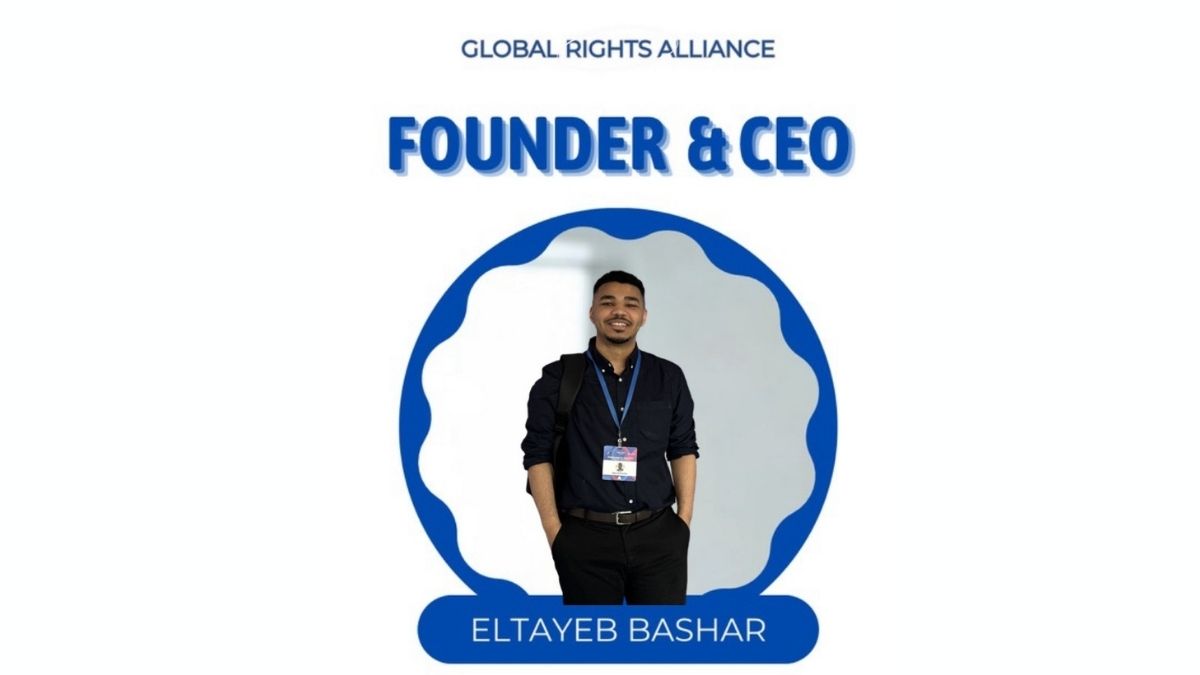
As the CEO of Global Rights Alliance (GRA), what is the goal behind such an institution?
GRA is a non-profit organisation. I started it because I was very frustrated by the lack of available channels for young people to be able to meaningfully discuss human rights issues, which is something I personally suffered from a little bit.
When the Sudanese war transpired in early 2023, I remember feeling very isolated, because there weren’t many young people I could talk to that knew what was going on. I did not know how I could provide a voice for young people to speak. Then, I was fortunate to return to a ceremony in UNESCO in 2025, I believe. I was there with 499 other students from around the world. I was very inspired by those young people that are there to fight for a better world, justice and human rights. So, I approached some of these people, and I said I wanted to start an organisation that is dedicated to getting young people into human rights advocacy and provide them with a safe space to talk about these issues. My friends said yes and immediately we started GRA and so far it has been really fruitful and very productive.
We have been able to help a lot of young people get into advocacy, with some of our members going on to work at the UN, some of them have gone to work at the European Parliament. We have connected thousands of young people with opportunities in international relations. The goal is to keep going and expanding on that, In Sha Allah.
You have had the chance to visit the House of Commons and write some questions for written answer for Parliamentary review. Could you describe that experience?
In 2024, I entered an essay competition organised by the Humanitarian Aid Relief Trust (HART), because I felt there was no public discussion about what was happening in Sudan here in the UK, which frustrated me quite a bit, because of the extent of what was going on, and I wanted to shed some light on Sudan. So, I submitted my essay, not thinking I was going to win or anything, I just wanted to shed some light on the topic. Alhamdulillah, I was able to come in first place at the HART Prize, Senior Essay Competition.
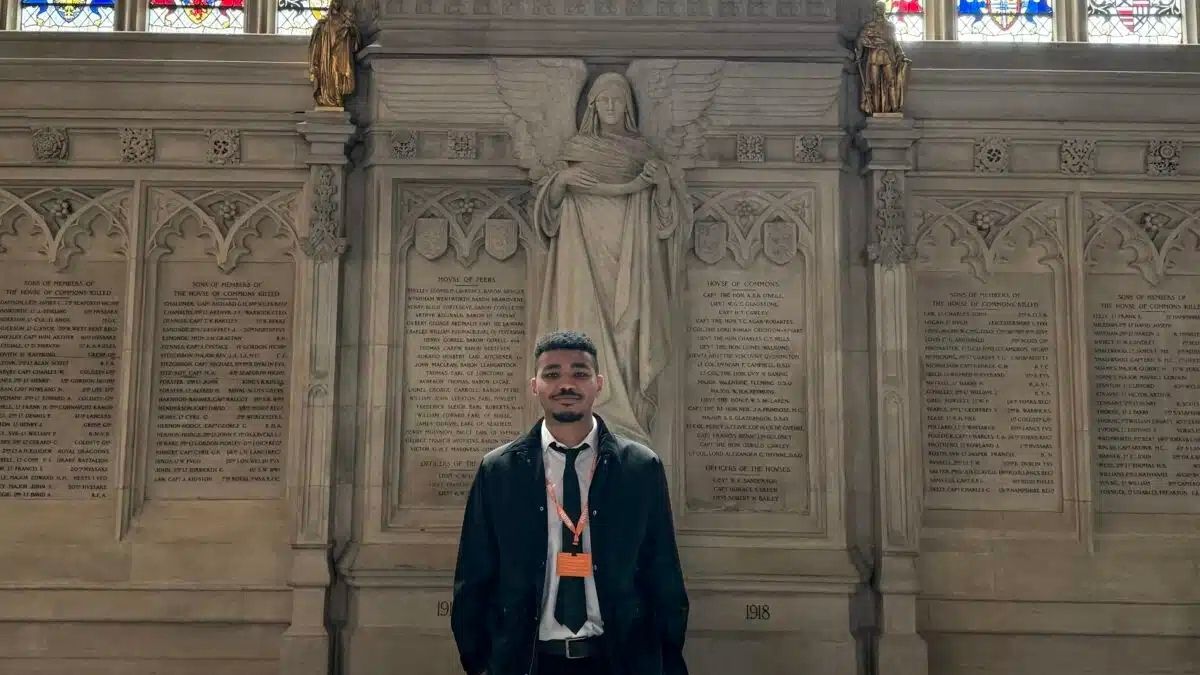
As a result, I was invited to do some work with Baronnes Cox, who works at the House of Lords. I was given a tour of the parliament and I wrote some questions for Parliamentary review for Baronnes Cox about what was happening in Sudan and what the UK government could do about it.
It felt very gratifying to be able to use whatever small platform that I have to really bring Sudan into the forefront, to hold politicians accountable, and try to educate people about the severity of the crisis taking place in Sudan. It really inspired me to keep advocating for all those who cannot advocate for themselves in Sudan.
The Financial Times described the UAE’s backing of the RSF in the war as an “imperial push into Africa”. Do you think that describing the conflict as a “power struggle” in your HART Prize-winning essay reflects the gravity of the UAE’s involvement in the war?
The purpose of my essay was to give people who were not educated about what is happening in Sudan a general overview of the actors, Burhan, Hemedti, how it started, the effects on the civilian population, how they were struggling etc, and part of the essay is dedicated to speaking about the shadowy power brokers working in the back with UAE funding the RSF and Saudi involvement and etc. So I think my essay was good in bringing the people into the conversation and it is on those people to keep up their education and understand there are layers to this conflict and that it is important to hold people who are funding atrocities accountable for their actions.
In your Oxford Human Rights Hub essay, Silence and Neglect: Understanding and Responding to the Humanitarian Crisis Women Face in Sudan, you called for the deployment of the UN civilian protection forces. According to a report by the Security and Human Rights Monitor, peacekeepers are involved, in many cases, in mass human rights violations, including, but not limited to, killings, acts of sexual abuse, rapes and acts of prostitution. How can the Sudanese people be sure that such forces will not engage in such violations on Sudanese lands?
It is a great question and it is a very valid concern. Unfortunately, some UN peacekeepers, in the past, have been guilty of engaging in criminal behaviour and exploiting their positions to abuse people on the ground. However, I also think that the UN and its agencies serve a very important role in being able to support civilians on the ground, especially in the midst of crises when there is not enough support for them already.
It’s very clear from the famine that we are witnessing in Sudan and the impact that women especially are facing that there is a severe lack of support and there are not enough healthcare workers that are supporting Sudanese civilians. So, it’s about understanding the role of the UN, but not seeing them as a saviour for us. In the end, Sudanese people have to save themselves. But, it is also about acknowledging that if we don’t get help, this will get worse.
It’s important that we do everything that we can to help our people and obviously in a situation like this, there will be problems. There is no perfect execution. There is no perfect application, because, to be honest, none of this should have happened in the first place. However, the best thing that we can do is to respond adequately, and try and save as many people as we can.
Can we expect help without having to bear the consequences of such heinous and grave violations like the ones aforementioned?
I will return the question and say there are killings and acts of sexual abuse that are occurring right now by the RSF. So, even though there will be instances of that, it is not as concentrated and as prolific as the RSF. I am somebody who understands that the UN is flawed, but I also think it serves a very important purpose. I think when it rises to meet the values that it embodies, it can be an institution that can create a positive change, and I have worked with people who are employed by the UN and I know that a lot of these people are really there to make a positive difference, they care about what is happening and they are doing whatever is in their power to make that change.
I have faith in the UN system. I think we cannot ignore the suffering of the Sudanese people. I think we need help, but we do not have to become beggars to get that help. I see it as a temporary measure, not a permanent solution.
At the young age of 26, Bashar will continue to make a difference, and his work continues to gain recognition. The award ceremony for the BBC Make a Difference Volunteer Award will take place on 10 September 2026 at the Courtyard Theatre in Hereford. In addition to his nomination, Bashar has been invited to appear on BBC Hereford and Worcester for a live radio interview between 7:30 am and 10 am on 26 August 2026.
For more information on Altayeb Bashar, find him on Instagram at @eltayeb.co.uk or on LinkedIn.
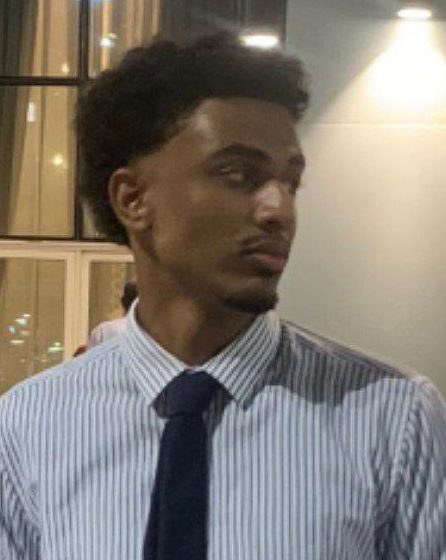
As he ventures into this brave new world ahead of him, 2005-born Muathal Hisham tries to reflect on the experiences he encounters through poetry and prose. An aspiring bilingual essayist who aims to reinvent the way literature, art and music are interpreted, Muathal provides a thrilling dive into regional and international cultures, with the hope it might inspire positive change in his community. When he is not writing, Muathal is often busy video editing or studying for medical school at Ain Shams University. Find him @muathall on Instagram or visit his blog on Medium at @Muathal.