


When it comes to Sudan, few topics are more popular than the question of identity. Journalists, academics, and laypeople alike keep returning to the question “is Sudan Arab or African” with different answers. Some, like the late Sudanese singer Mohammad Wardi, insist Sudan is an African nation that “pretends to be Arab.” Others, like Sudanese historian Abdullahi Ibrahim, cite oral history as proof of the nation’s deep Arab connections, and criticise detractors for privileging Western epistemology.
The question of Sudan’s place in Arab and African identities is not new. Following the British colonisation of Sudan in 1896, imperial administrators such as Harold MacMichael made it a centrepiece of their study of the country’s people. Since at least 1956, the conversation has taken on high political stakes, as racial divides became one of the main ways to explain Sudan’s post-independence conflicts.
Unfortunately, these stakes mean discussions often centre an individual author’s views, instead of presenting the variety of Sudanese approaches without judgement. People don’t define their terms, leading to repeated confusion in English-language writing on the topic. This article will try to cut through this confusion by outlining the diversity in Sudanese perspectives and tracing the histories that gave birth to them.
Due to this topic’s complexity, this piece will be split into two parts. The first will focus on race in precolonial Sudanese societies. For the sake of brevity, this exploration will be limited to pre-colonial, northern Sudanese states with the most written sources. The second part will dive into modern Sudanese understandings of racial identity, beginning with the colonial period and manifesting today in various, competing paradigms.
Defining Terms
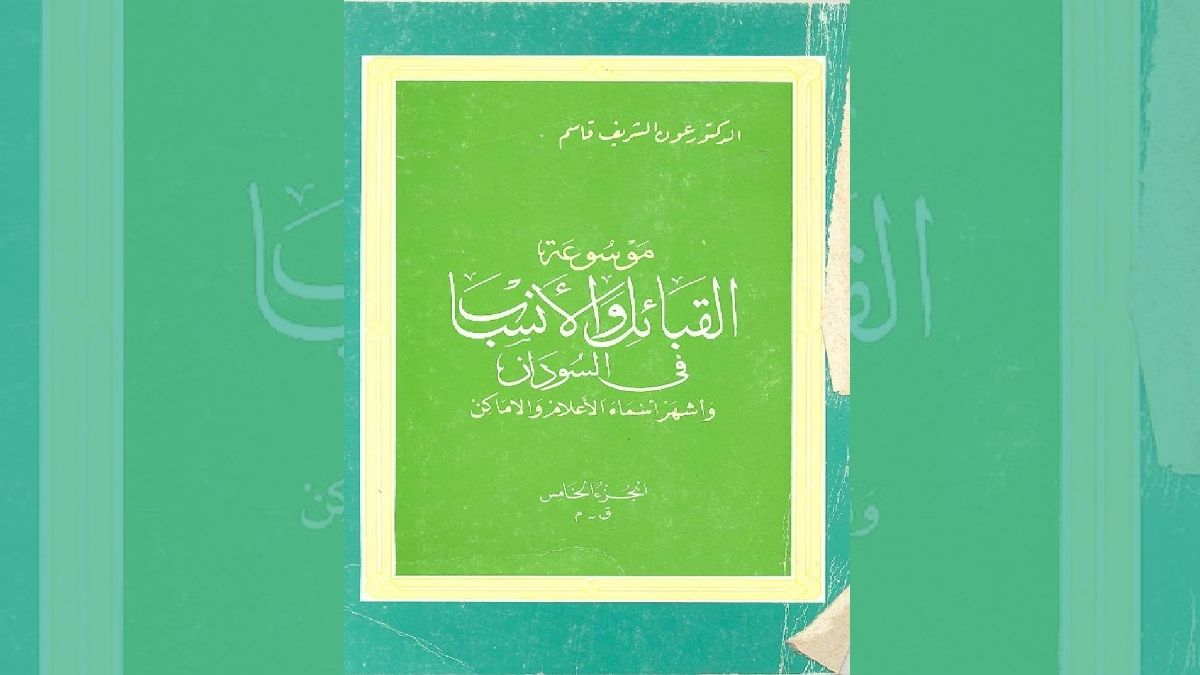
Defining the term “race” is no easy task, as its meaning differs across time and place. Using the term in the Sudanese context risks imposing a Western concept onto a different social reality. For this article, however, the term is useful in the sense of a group of people identified by shared physical traits and perceived origin. This definition can be tricky, as it overlaps with ethnicity/tribe (Arabic: jins/gabila), groups of people united by culture, language, and descent. Indeed, some argue there are no racial divides in Sudan, but only ethnic/tribal divisions.
However, Sudanese people use terms that group linguistically and culturally distinct peoples based on malamih (physical features). These categories are understood as describing asl/’irig (ancestry) which exists independently of one’s gabila. For example, an Arab man from the Ja’ali tribe with a zurga ancestor (a term for very dark-skinned non-Arab tribes) may be described as “having [zurga] ancestry” (fihu ‘irig) while remaining Ja’ali by gabila. Prejudiced attitudes to these groupings are referred to as ‘unsuriya (racism), distinct from qabaliya (tribalism) and jahawiya (regionalism).
Additionally, I’ll be using the terms Sudan and Sudanese for the societies that existed in what we today call The Republic of Sudan and The Republic of South Sudan. However, this is a modern concept of “Sudanese” that would be alien to the historical peoples discussed here.
Race in Pre-Islamic Sudanese Societies
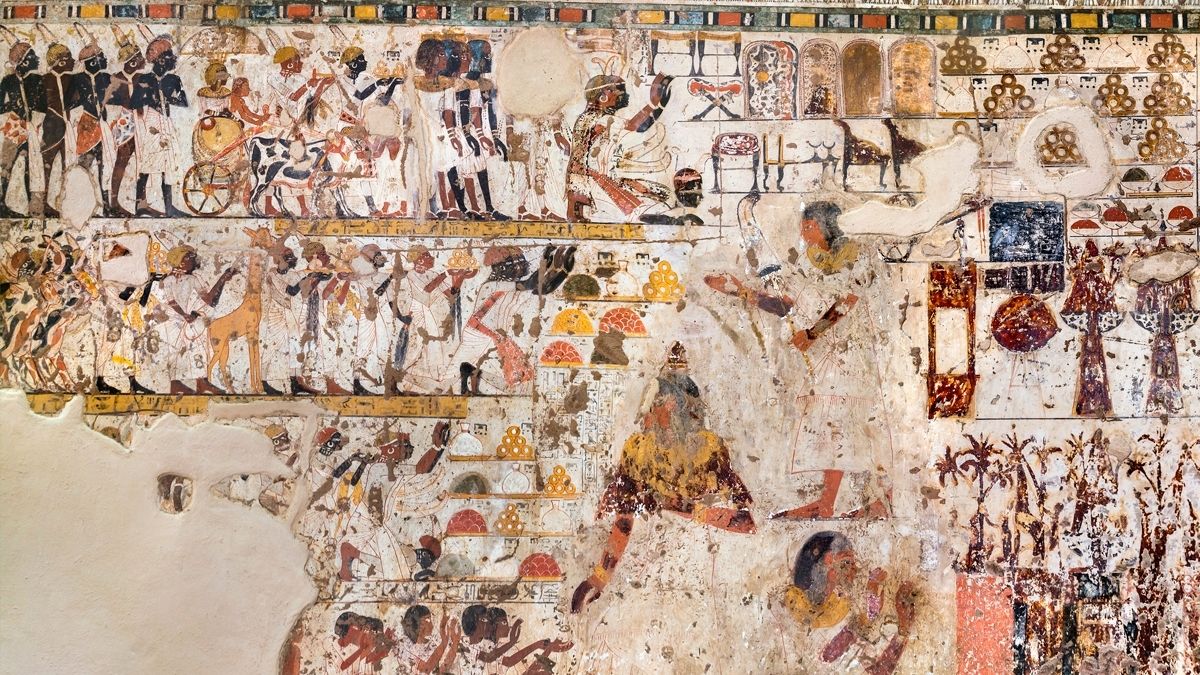
With those terms defined, the question can now be posed: when did Sudanese people start classifying people based on race?
As far as Sudanese antiquity goes, records from the Kingdoms of Kush (750 BCE – 350 CE) show no clear sign of a racial worldview. At most, French Egyptologist Claude Rilly has speculated the Kushites used the term tamia as a generic term for “white people.” The word’s etymology has nothing to do with colour, however, and Egyptologist Uroš Matić plausibly argues that it means “northerners” instead. If a Kushite racial ideology did exist, it’s left no trace in the written record.
Although Kushites may not have employed colour-based classifications, the foreign geographers who wrote about them did. In antiquity, Graeco-Roman authors used the term Aithiopon (Ethiopians) to refer to Kushites, a term generally translated as “burnt-faces.” In the 5th-century CE, when the kingdom of Nobadia was established in northern Kushite territory, founding King Silko designated himself “King of All Ethiopians,” suggesting some local familiarity with this foreign category, although his idiosyncratic use seems to be geographic rather than racial. There is no evidence he used a narrative of shared origin, and the term is generally absent from medieval Sudanese documents.
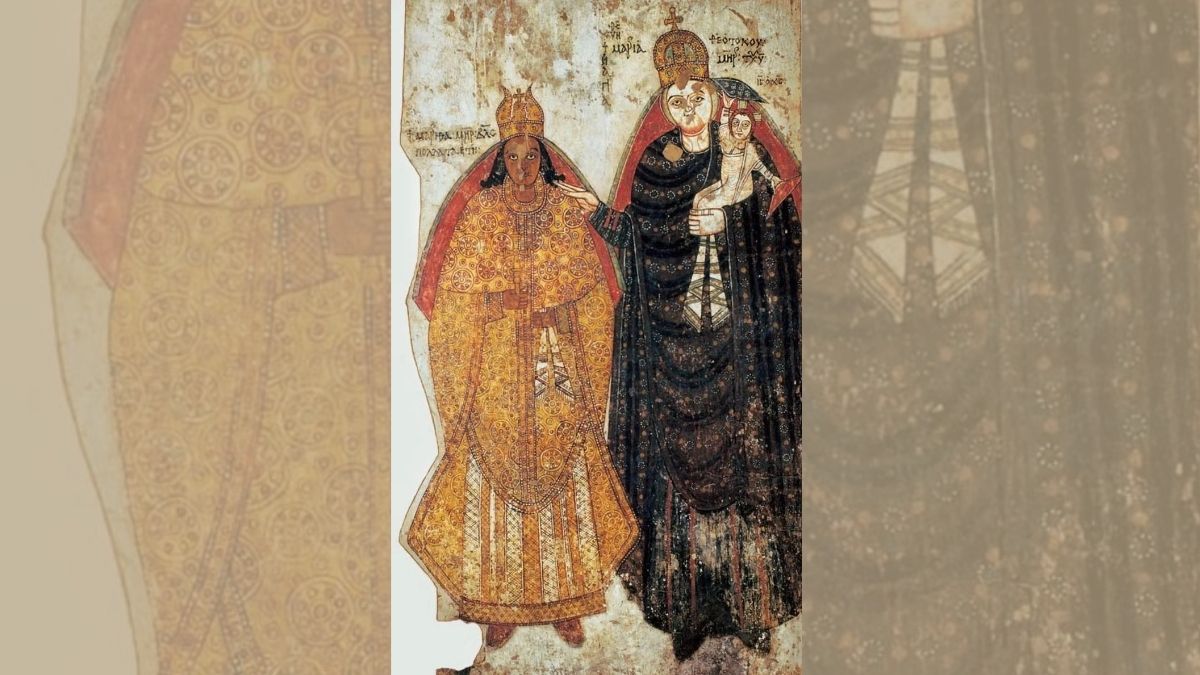
Regardless, the inscription serves to show that Sudanese societies were not unaware of foreign labels, and that, in the medieval period, people outside Sudan were developing a racial ideology. This includes medieval Arab geographers, who coined the term sudan (blacks) to refer to the dark-skinned peoples of Africa, including the Christian and pagan societies of Sudan. In the 9th century, Arab Muslim geographer Al-Ya’qubi traced these sudan to Kush, son of Ham, son of the Prophet Nuh (Noah). This follows an earlier tradition of Muslim, Christian, and Jewish authors splitting humans into groups based on their believed descent from one of Nuh’s three sons. Al Ya’qubi further divided Kush’s descendants into Nuba (Nubians), Buja (Beja), and Zanj, the last term being a catch-all phrase for various East African peoples targeted by Arab slave traders, including various Sudanese tribes. This narrative of shared origin stems from their physical features, as these groups differ linguistically, culturally, and geographically. Other Arab writers ascribed behavioural traits to sudan, such as the historian Abul Qasim, who described them as having “hot tempers” and lacking “intelligence and steadiness of character.”
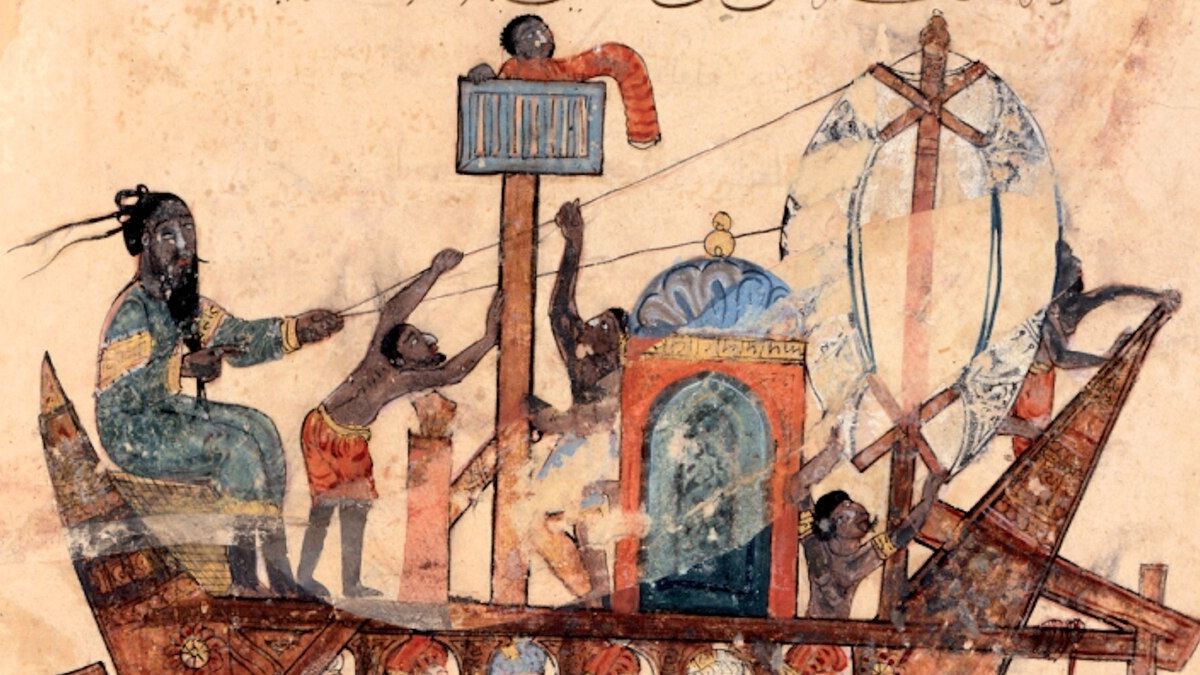
While there is no sign that this budding concept of Blackness mattered much locally, it sets a precedent for how race was understood in post-medieval Sudan, when the fall of Christian kingdoms in the 15th century gave way to the rise of Islamic kingdoms in the 16th.
Race in Post-Medieval Sudanese Societies
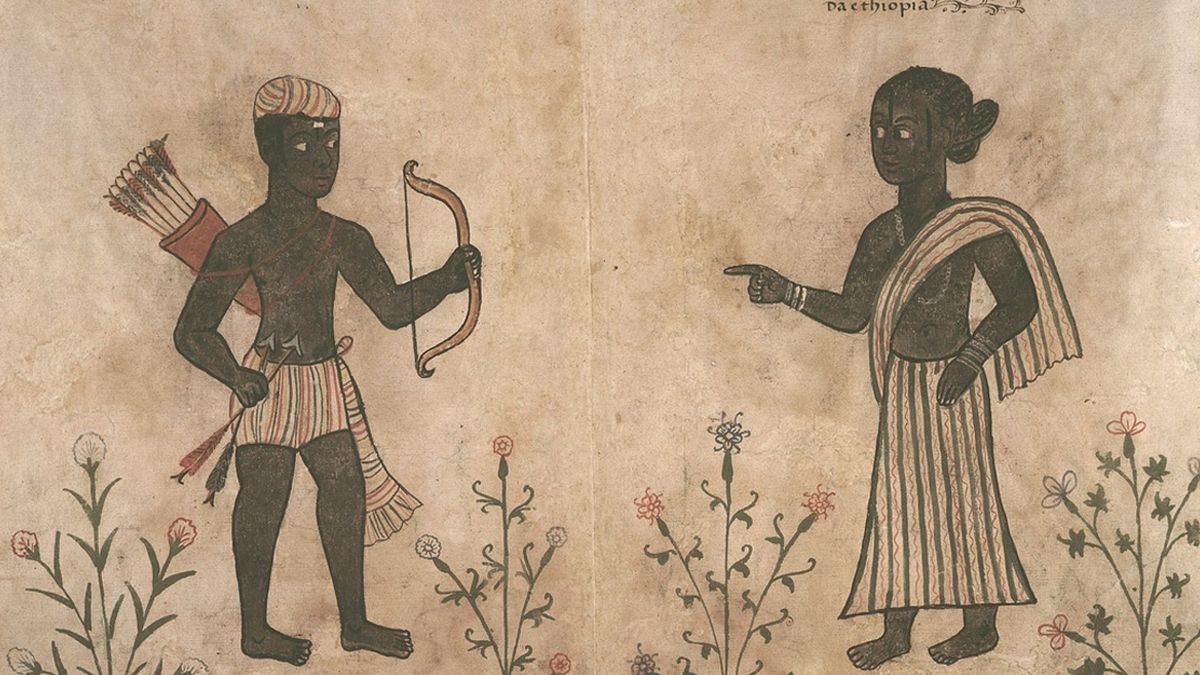
Unlike the kingdoms of Kush and Christian Nubia, post-medieval Sudanese societies offer something rare and welcome: a document outlining the major tribes in the area and their history. The 16th to 17th centuries saw the emergence of Islamic kingdoms in Sudan, most importantly the Fur Sultanate in Darfur, and the Funj Sultanate in riverine and East Sudan, both headed by royal families claiming sudani and Arab ancestry. This religious shift corresponded with the spread of Arab works and ideas in Sudanese societies. In 17th-century Kordofan, between the two Sultanates, Shaykh Mohammad Wad Doleyb Al Akbar adapted these ideas to present a history of the tribes of the area, offering crucial insights into post-medieval Sudanese notions of race and tribe. Unfortunately, it only survives in a translation by MacMichael, whose colonial biases make his translation work suspect. Despite this, some important information can still be found with careful use.
Firstly, the document shows that the sentiment “Arab is not a matter of lineage, but tongue,” did not apply in post-medieval Sudanese society. Wad Doleyb Al Akbar draws on the Arab geographer Ibn Al Athir when he writes:
“Now the tribes of the Arabs are Muzayna and Guhayna and Kenana and Khuzayma and Aslam and Ashga’a and Ghafar, and whoso does not belong to these is not an Arab but only a foreigner.”
His document makes it clear that, for post-medieval Sudanese, Arabness was very much a matter of lineage, and the Shaykh takes care to trace Sudanese Arab tribes’ Peninsular ancestries while saying nothing of their linguistic affiliation.
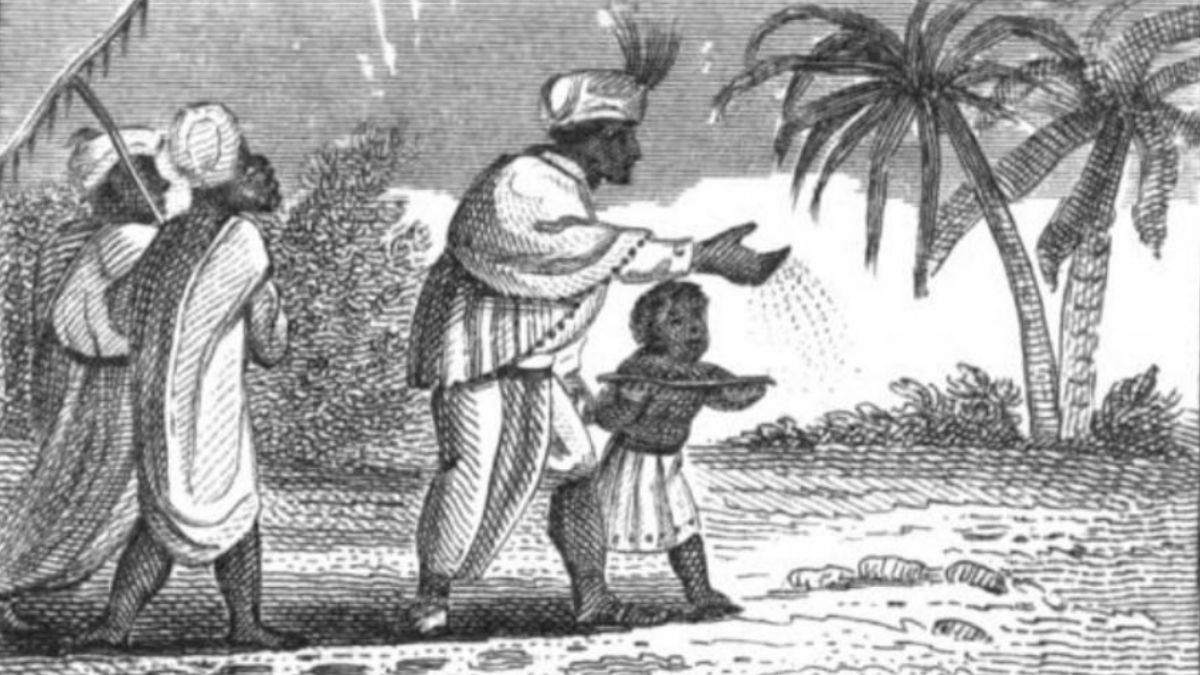
The second key takeaway is that post-medieval Sudanese societies were adopting the medieval Arab concept of Blackness. Like Al Ya’qubi, Wad Doleyb describes Kush, son of Ham, as the ancestor of the sudan, a group which includes Nuba and Zanj, labels he gives to non-Arab Sudanese tribes. In his section on the Danagla tribe, he describes Arabs as “migrants.” When speaking of the Fur tribe, he calls their masses Nuba while distinguishing their royal house as “Arabs of Beni Hilal.” This presents early, clear signs of a Sudanese racial ideology, where Arab and sudani are opposing categories. Unlike Western frameworks, in post-medieval Sudan, it was one’s non-Black (specifically Arab) heritage, rather than “one-drop” of sudani/Black blood, that determined racial identity. Wad Doleyb’s use of the term zunji for some of these sudani tribes may indicate locals viewed them as enslaveable, just as they were by the medieval Arab geographers who developed this terminology.
This system of classification is not isolated, but echoed in later texts, such as Shaykh Wad Dayfallah’s Book of Biographies and Sudanese historian Ahmad Al Haj Abu Ali’s History of the Kings of Sinnar, where sudani is a racial term that generally excludes Arabs, who are designated as such based on their tribal affiliation, not their language or cultural practices.
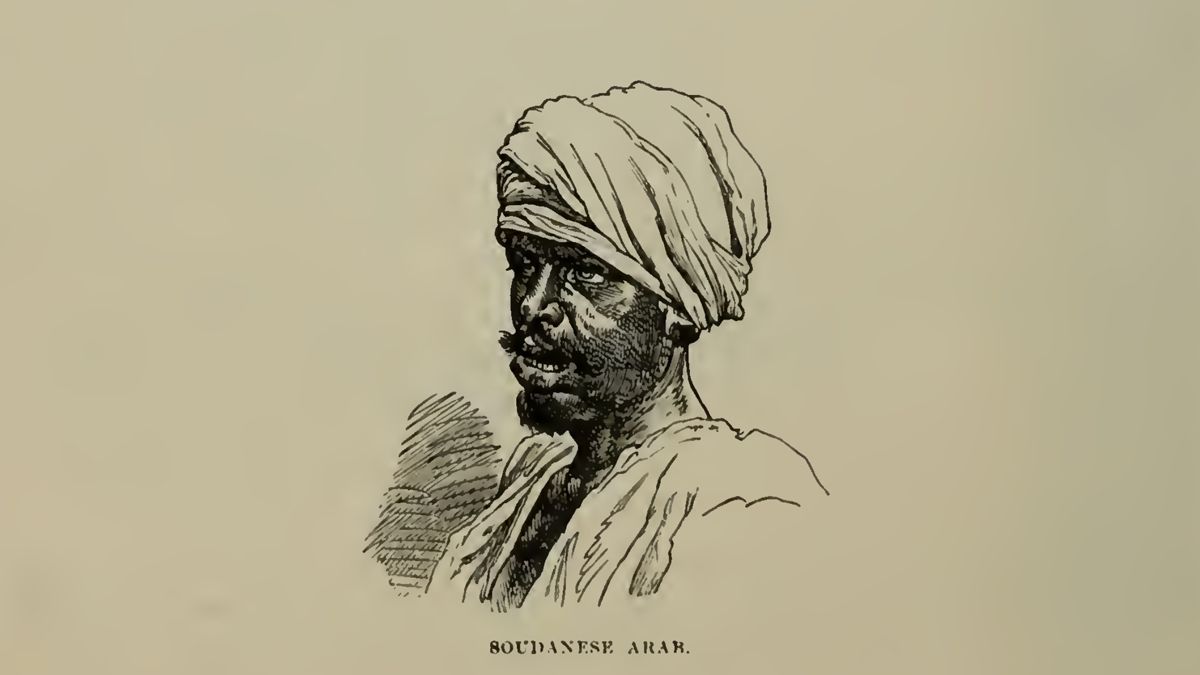
Despite claims that race is foreign to the Sudanese context, local sources show that, at least by the 17th century, Sudanese societies did have ancestral categories based on inherited physical traits. Unlike some modern definitions that identify Sudanese Arabs as Black and Arab, post-medieval Sudanese literature treated them as distinct ancestral categories. To be Arab is to have Peninsular Arab ancestry, otherwise, one is sudani. This ideology is not the result of foreign conquest, but a social transformation that adapted medieval Arab ideas to the Sudanese context.
This transformation did not stop in the 17th century, however. Wad Doleyb’s document gives some classifications that might seem strange to a modern Sudanese person, such as the aforementioned labeling of the Fur tribe as Nuba, or the description of Fallata tribes, labeled zunji today, as descendants of the Peninsular Arab Quraysh tribe. The next column will investigate how this post-medieval racial ideology evolved, and the political and social disagreements that have emerged around it.
500WM Columnist Hatim Eujayl is a Sudanese-American writer involved in various projects to promote Sudanese culture. His most famous works include the Sounds of Sudan YouTube channel, the Geri Fai Omir Kickstarter, and the Sawarda Nubian font. More of his writing can be found on his Substack, ‘My Sudani-American LiFE,’ where he discusses Sudanese literature and cinema. He can be reached on Instagram @massintod or by email at [email protected].