


From censorship and marginalisation to the spotlight of Sudan’s modern music scene, a genre that was once criticised and shamed has now become one of the defining sounds of Sudanese youth. Sudanese zanig, a rich, high-percussion genre that was considered the soundtrack of the streets, is now the sound that people from around the world associate with Sudanese music.
During the early 2000s, Sudan was under the rule of former President Omar Al Bashir, a dictator who led a strict Islamic regime where censorship of many art forms prevailed, particularly music. Musicians and singers were persecuted for performances that did not align with Al Bashir’s regime, especially those who sang songs of resistance and anti-government themes.
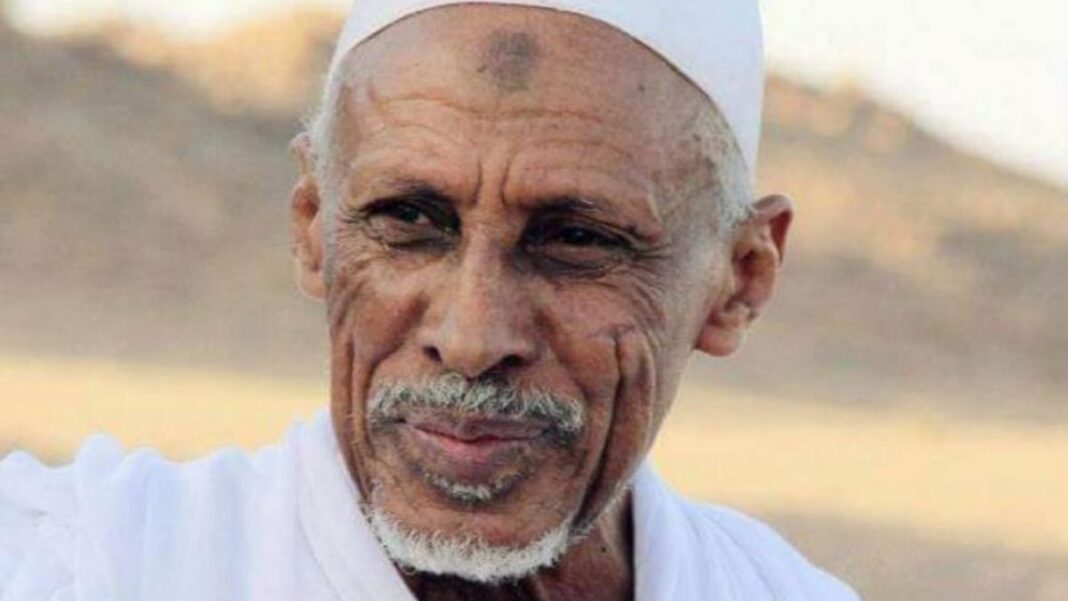
With the rising political pressure against creatives in the music industry, many youth felt marginalised and disconnected from the Sudanese music scene. Acting almost as the voice of the youth, Ayman Al Rubu’ rose from the sidelines with a new type of music, rich in percussion and filled with innovative melodies. Being the son of famous Sudanese jazz musician Salah Brown, Al Rubu’ was already familiar with innovation in music, and used his strengths to create the zanig sound from African, specifically Congolese influences.
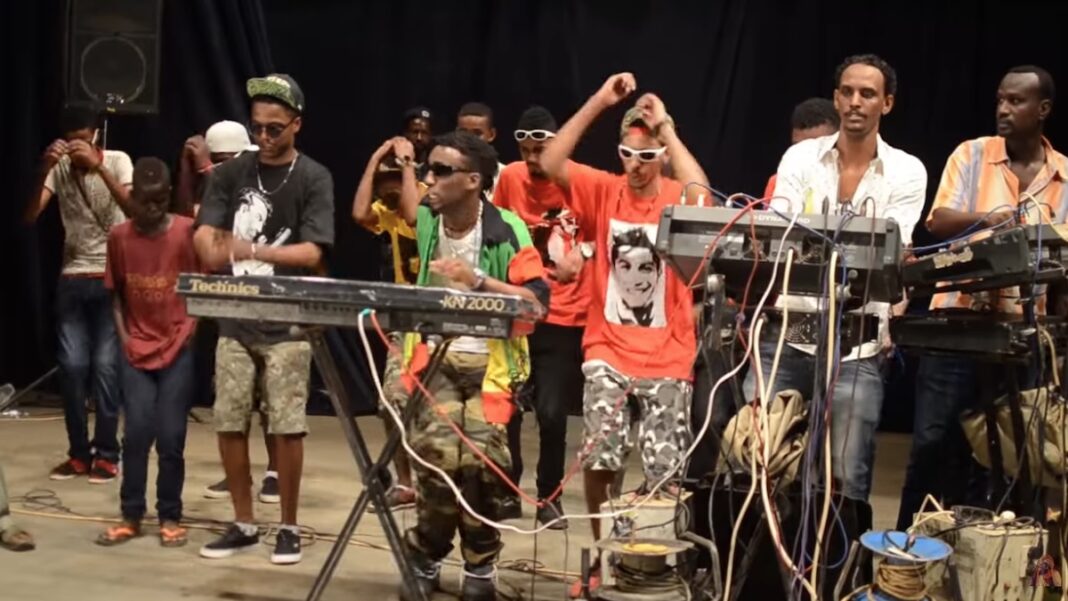
The type of music shaping the genre of zanig is significantly reliant on percussion, which is characterised by loop-based beats that are often minimalistic, allowing the keyboardist to build on them with various melodies. These beats are generally digitally produced and pre-recorded on the keyboards themselves, which are typically Korg keyboards, a Japanese corporation that specialises in musical instruments. When performing live, zanig musicians incorporate these pre-recorded tracks in their performances, building on them and adding melodies as they perform.
Zanig, known for being the poor man’s music, began to flourish in the sidelines as an underground genre, and quickly became popular among the youth, specifically in Khartoum, especially those who were marginalised by the oppressive government at the time. The music style grew from a genre to a culture in the 2000s, coupled with everything from choreographed dance moves to unique fashion, with sunglasses being the core of the style. Among the zanig crowd, knowing the dance moves, and being part of the crew who danced alongside the keyboardist elevated one’s street credibility. These dance moves somewhat resemble West African dance moves, which can be seen in the Afrobeat culture. The zanig musician usually joins in on the dances with a free hand, and his crew act as his extension, performing the full dance moves behind him.
In addition to innovative and unique melodies, zanig also helped change the culture of gonat, female singers who sing at parties, who are known for challenging social norms through the way they dress and the loudness of their performances. With the rise of zanig, many gonat, such as zanig icon Mawaddah, referred to by many as Mawaddah Al Haneena (The Gentle), began to sing alongside keyboardists, typically with call-and-response lyrics about the struggles of daily life. Some of the female icons of Sudan’s music scene today, including Asha Al Jabal and Marwa Al Duawliyah, gained their fame through zanig. While it is popular for gonat to sing alongside keyboard players, there are countless male singers who accompany zanig keyboardists during their performances, including Omar Nejery, Mustafa Jabra and Mohammed (Hamoody) Wd Eljack, who is now pursuing a solo music career away from the zanig scene.
Following in Al Rubu’s footsteps, many other iconic zanig musicians surfaced, such as Ibrahim Yousif, also known as Nejery, who emerged at a later time in the early 2010s, with less censorship, more societal acceptance and the rise of social media, consequently gaining greater popularity among youth. Other notable keyboardists include Osama Falati, Amr Elrayah or Zaery, Abdelrahim Taso, known for his hit Wahed Zayed Wahed (One Plus One), which was even sampled by rapper Connan, and Basel Hollandy, who is more known now for his party music, rather than traditional zanig. Although every keyboardist has their own unique style, and can be recognised by zanig listeners through their percussion styles and melodies, they all draw their influences from Al Rubu’, the master of zanig himself, without whom, this genre would not have seen the light.
While zanig began in an era of censorship and thrived underground for years, the 2020s have served as the genre’s time for growth outside the shadows. The 2018-19 Revolution, also known as the December Revolution, served as a vehicle for Sudanese youth to step into the spotlight, cultivating a safe space for artistic expression and closing the door on political and cultural restraints and censorship.
Although it is becoming widely accepted as a genre in the Sudanese soundscape, zanig is still frowned upon in some circles. Youth who are a part of conservative families are still often shamed for enjoying the genre, and until recent years, girls listening to and enjoying zanig music was unheard of. Older generations continue to associate the genre with certain stereotypes, such as shammasa, a colloquial term used by conservatives to describe marginalised urban youth, who are often portrayed as disruptive street kids. Zanig embraces those marginalised youth, giving them a safe space and a creative outlet, and is therefore still considered shammasa music.
Although criticism still exists, zanig is quickly becoming a strongly recognised part of the Sudanese music scene. This positive representation and acceptance of the genre can be attributed to increased visibility through social media platforms, which has led to a waning of the societal shunning of the genre that has persisted for years. This shift in perception can be clearly witnessed in wedding parties, where it has now become common practice to play popular zanig songs at the end of the party.
Today, many musicians and rappers, such as renowned producer Mshakil and internationally known rapper Soulja, are changing the perception of zanig through their music. Producer Mshakil, particularly, has sampled zanig percussion and melodies in the creation of his Sudanese-inspired hip hop beats. Contributing to the increase in visibility, in late 2025, Soulja has been quoted in UAE-based newspaper The National saying he believes zanig could be the next amapiano when it comes to uniting dance floors.
Over the years, zanig musicians and other icons in the music scene have continued to challenge the obstacles in the genre’s path for international recognition. Through these actions to shift perceptions, and demonstrate the musical intelligence associated with zanig, the genre has solidified its place in the Sudanese soundscape, not just emerging from the shadows, but becoming a defining sound in the contemporary music scene. If the zanig sound is cultivated sufficiently, it may become Sudan’s sonic identity.
It was through my older brother, Altayeb, that I was first introduced to zanig. Being a zanig fanatic and a talented keyboard player himself, he made me see the genre beyond its surface, and showed me what it truly is – a medium for self-expression through its unique rhythms and melodies, its unmatched energy, and the cultural depth it signifies.
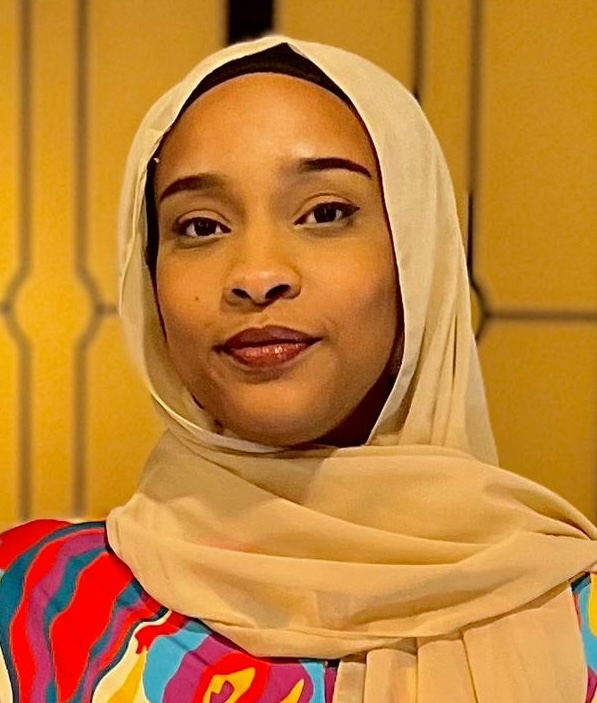
Samar Bengawi is a medical student by day, and a literature and music enthusiast by night. She was born and raised in the UAE and is now based in Georgia. She is never without a cup of coffee in hand, and is always “on the go,” chasing after one hobby or another. Passion in Sudanese politics runs in her blood and she considers herself a patriot who hopes to leave a memorable mark in the world.