
“Your eyes hold the innocence of children, summoning the moonlight for those far away, bringing them back,” sings Mustafa Sid Ahmed in his hit song from 1996, Gamar Al Zamaan (The Moon of This Age).
Love was in the airwaves between the 1960s and early 2000s, musicians channeling emotions through their soulful melodies and poetic lyrics, singing love notes of desire and yearning. Music artists around the globe were singing passionate lyrics, and this trend of love songs was alive and well in Sudan’s early music scene. As with today’s music, the songs are made for the body to dance rather than the ear to listen and the heart to feel.
Today, hip hop and Afrobeats genres are dominating the Sudanese music scenes with rappers such as Dafencii, Soulja, Maman, Hleem Taj Alser and Colo becoming the voice of Sudan’s contemporary music industry. No longer are the romantic words of poets surfing through strums of oud, and a music culture that was once known for its passionate poetry has become more trend-driven, with a focus on high-energy music rather than meaningful words.
It is important to acknowledge that while Sudanese hip hop dominates today’s contemporary music scene, even the more traditional songs lost the depth and metaphors of songs from the past, with musicians resorting to more direct lyrical styles. For most musicians, the epitome of romance in modern times is currently restricted to upbeat songs used in weddings, and even those lean away from poetry and lean into more traditional lyrical styles such as those used in folk and aghani al banat, which are songs by women for women.
“I love you, and there is no light but yours that rises and floods the path of my sight”
Hams Al Shoug, Mohammed Elamin
While Sudanese hip hop makes me bob my head and wedding party songs make me want to jump to my feet and dance, neither of those speak to my soul like songs with profound lyrics such as “I love you, and there is no light but yours that rises and floods the path of my sight” from 1981 timeless hit Hams Al Shoug. The late Mohammed Elamin, the iconic singer of Hams Al Shoug (The Whisper of Longing), sang from his heart until his last years in the early 2020s, and no one can deny the flood of passion that washes over the enormous crowds when he sang at concerts.
Similarly, most Sudanese songs from the 1930s until the 1990s were famously known for their heartfelt lyrics. It was common practice for singers to adopt the words of famous poets at the time and turn them into songs that conveyed just as much feeling. The words were rich with yearning and romance, with melodies that carried them straight to the heart of the listener. Even patriotic anthems, such as Azza Fi Hawak (Azza, In Your Love), written by the late poet Khalil Farah, were sung like love letters to Sudan, every word dripping with affection and sentiment. “Azza (Sudan) is in my heart, a remedy that heals all sorrow,” sings Farah in his hit song, Azza Fi Hawak, from the late 1920s.
“Azza (Sudan) is in my heart, a remedy that heals all sorrow”
Azza Fi Hawak, Khalil Farah
It would be unreasonable to deny the flourishing of Sudan’s modern music scene, but at times, I find myself yearning for the passionate poetry we had in older Sudanese music. Songs such as Inti Al Mulhima (You Are My Muse) by the late iconic singer Abdelkarim Al Kabli, had the power of moving crowds of people, speaking to the hearts of vast audiences, and conveying emotion unlike any words that are written in modern times. “You are my hope, my heart’s desire, my joy, the light within the night,” sings Al Kabli in Inti Al Mulhima.
“You are my hope, my heart’s desire, my joy, the light within the night”
Inti Al Mulhima, Abdelkarim Al Kabli
The shift of language in Sudanese music from passionate and romantic to more direct lyrics lacking in metaphors and poetic feel can be attributed to generational factors. During the golden age of Sudan’s music history, the period spanning the 1960s to the early 2000s, social factors such as how people talked, how they loved, and how they expressed that love in day-to-day life, were reflected in the music they listened to.
People during that time had a deeper appreciation for the Arabic language, even down to their everyday conversational style. Simple day-to-day acts such as letter writing or proper courtship reflected the depth of romance in the past, and now, there’s a dramatic turn around in how people view love. Letter writing and romantic poems take a back seat, while social media sits upfront, ridding us of the sentimental feel that was prominent in the 20th century.
The most significant effect of music is when a listener feels they are able to relate to the words being sung, and with love languages and romance styles drastically changing across the world and subsequently among Sudanese youth, listeners expect different lyrical styles: direct, easy to understand, and relatable.
To simply put it, people had different expectations decades ago, and poets worked with music icons to create songs about what was prominent in their culture back then. That being said, not all of us are willing to settle for the complete loss of poetry and melodious metaphors from Sudanese music.
Poetry in this generation of Sudanese people is not an unresuscitable art form. There are countless young poets who surfaced in modern times, especially during the December Revolution in 2018-19. Musicians should make it a habit to recruit these young poets and collaborate with them to make music that is drenched with emotions, even if it was only occasionally, since the music being made now is still great, shaping a diverse soundscape with something for everyone.
Today, there are efforts by popular musicians, specifically rappers, channeled into sampling old music, and incorporating aspects of it, whether sonic influences, or down to the lyrics themselves, such as Colo’s track “Malik?” which samples an all-time favourite, Uzaz Alayna (Precious To Us).
On the Afrobeats side of Sudan’s music scene, music artist Maman has been releasing tracks with hints of romance, blending notes of passion resembling the 20th century with the sounds and trends shaping today’s music. On his latest collaboration with rapper Hyper, El Eid Eyonek (Eid Is Your Eyes), he delves into a more romantic side of his music persona, singing words of love and longing.
Those of us who are passionate romantics are still waiting for the golden age to have a bigger comeback, bringing us passionate words such as those in the late Mohammed Wardi’s Jamal Al Dunia (The Beauty of This World) with a modern tone. “Gardens and flowers bloom upon your face, enchanting to every gaze. They add to the beauty in you, your features full of mystery,” sings Wardi in Jamal Al Dunia (1960).
“Gardens and flowers bloom upon your face, enchanting to every gaze.
Jamal Al Dunia, Mohammed Wardi
They add to the beauty in you, your features full of mystery,”
I will always celebrate the Sudanese music scene and speak about it to anyone who will listen. Yet, I still feel I am missing a little Othman Hussein with a strum of Mahmoud Abdelaziz and a beat of Ibrahim Awad every now and then. The Sudanese music scene is wonderfully diverse, offering something for everyone, but many listeners still yearn for lyrics that drip with emotion. Bringing that romance and poetry back to the Sudanese soundscape would revive the kind of songs that will move audiences, not just to dance, but to feel.
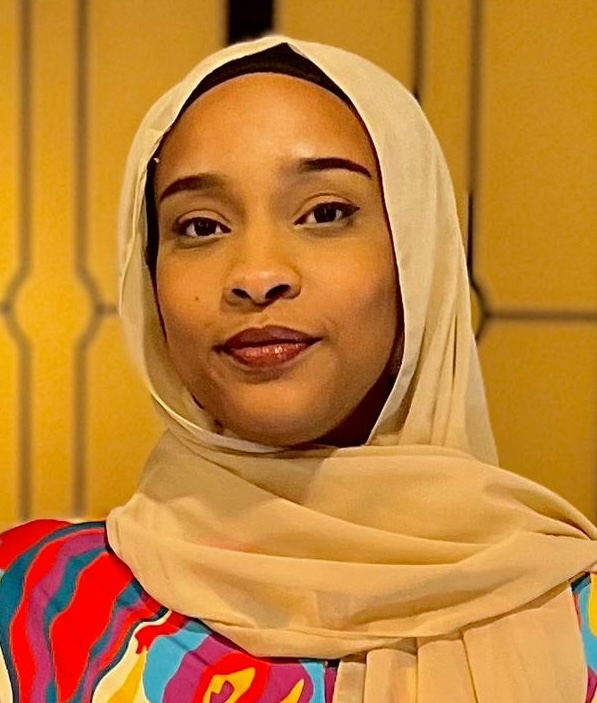
Samar Bengawi is a medical student by day, and a literature and music enthusiast by night. She was born and raised in the UAE and is now based in Georgia. She is never without a cup of coffee in hand, and is always “on the go,” chasing after one hobby or another. Passion in Sudanese politics runs in her blood and she considers herself a patriot who hopes to leave a memorable mark in the world.