


Breast cancer is the most common cancer among women in Sudan, accounting for approximately 19% of all cancers diagnosed in Sudan, and it presents major public health challenges due to late-stage diagnoses and healthcare disruptions.
Breast cancer is a significant public health issue in Sudan, with a rising incidence and late-stage diagnosis being major challenges. The median age at diagnosis significantly younger than that in Western populations. The disease is often detected at advanced stages (III or IV) due to limited access to screening facilities, cultural stigma, and socioeconomic barriers.
For example, a study at the National Cancer Institute in Sudan reported that 78% of breast cancer patients presented with advanced disease. Additionally, research conducted in central Sudan revealed that 74% of patients were premenopausal, with invasive ductal carcinoma (IDC) being the most common histological type (82%). The majority of tumors are estrogen receptor (ER)–negative (68%) and progesterone receptor (PR)–negative (70%), highlighting the high prevalence of triple-negative breast cancer (TNBC), which is associated with poor prognosis and limited treatment options. These epidemiological findings underscore the urgent need for early detection programs and tailored treatment strategies to improve patient outcomes.
The country has equipement shortage even pre-war including very few mammography units, and many regions rely only on less accurate ultrasounds. The ongoing war has heavily damaged medical infrastructure, making treatments like chemotherapy and radiation very hard to access.
A key challenge in breast cancer management is the lack of pharmacogenetic research to guide treatment decisions. Genetic variability plays a crucial role in drug metabolism and response, particularly for endocrine therapies such as tamoxifen, which requires metabolic activation via cytochrome P450 enzymes.
Treatment and Research Needs
- Standard treatments rely on hormone therapies like tamoxifen and basic chemotherapy drugs.
- Most drug data comes from non-African populations, creating a strong need for local research to improve precision medicine.
Quick Facts
- Breast cancer accounts for about 19% of all cancer diagnoses in Sudan.
- Sudanese women are often diagnosed at a younger age, typically under 50, compared to women in Western countries.
- Most patients discover the disease late at Stage III or IV because routine screening is rare.
Cancer Centres and Organisations in Sudan
Cancer treatment services in Sudan have experienced a near-total collapse and severe disruption following the outbreak of armed conflict in April 2023, though international efforts are underway to restore operations at key facilities. The collapse of national medical supply chains has led to acute shortages and skyrocketing costs for essential chemotherapy medications and diagnostic tests (such as histopathology and immunohistochemistry). International bodies, including the International Atomic Energy Agency (IAEA) through its Rays of Hope initiative, have begun delivering critical refurbishment equipment to help restore localised radiotherapy and treatment planning services outside active combat zones.
Eldaman Oncology and Radiotherapy Center: Noted as one of the regional centres in Meroe, providing advanced radiotherapy capacity.
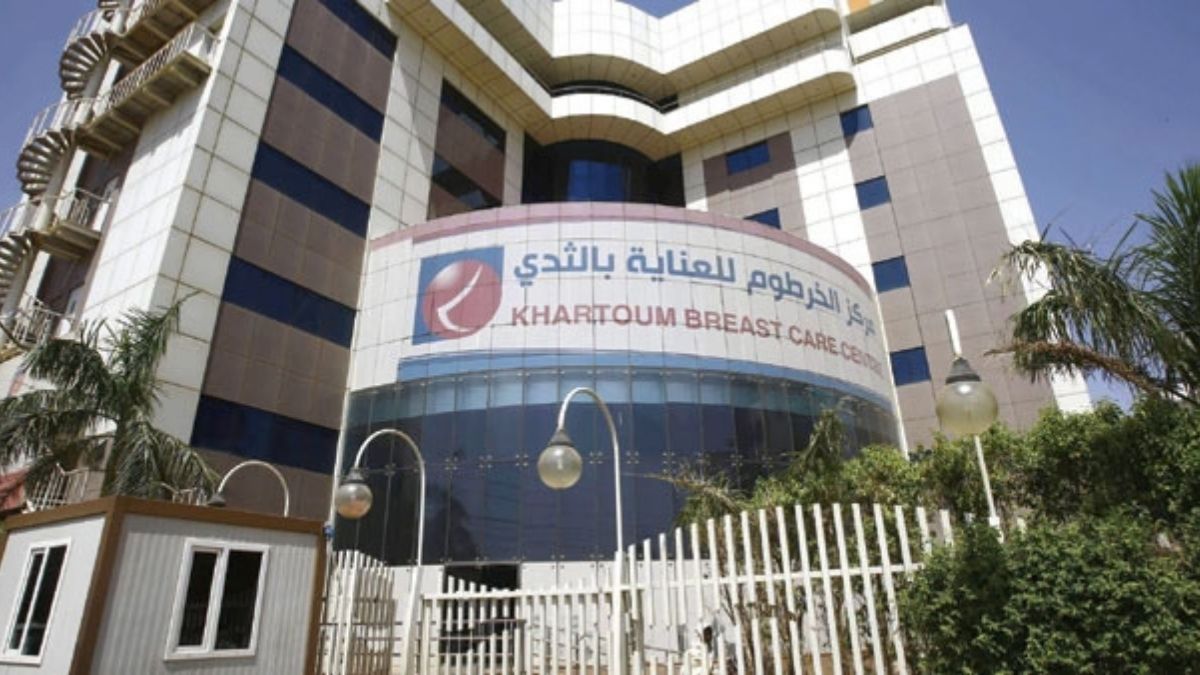
Khartoum Breast Care Centre (KBCC): The primary specialised facility for breast care in Sudan is the KBCC, a non-profit organisation established to provide multidisciplinary diagnostics and treatment. khartoumbreastcarecentre.org
Khartoum Oncology Hospital (KOH): Formerly known as the Radiation and Isotope Center of Khartoum (RICK), established in 1964 as Sudan’s flagship and oldest oncology center, handling the majority of the country’s cancer caseload with comprehensive diagnostic and radiation services.
National Cancer Institute (NCI): Based in Wad Medani, Al Gezira State, the second-largest cancer treatment facility in the country, providing specialised pediatric and adult care.
Sudanese Breast Cancer Organization (SBCO): A voluntary, non-profit, and non-governmental organization established in 2021, to support breast cancer patients in Sudan and raise community awareness about early detection. www.facebook.com/profile
Other centres include facilities such as Tumour Therapy and Cancer Research Centre in Shendi, East Oncology Centre in Elgadarif, and other specialised non-profits.
Breast Cancer Facts
Breast cancer is a disease where abnormal cells in the breast grow out of control, and it is the most common cancer in women worldwide, but it generally has higher survival rates and better prognosis compared to many other major cancer types, such as lung or pancreatic cancer
Key Statistics and Facts
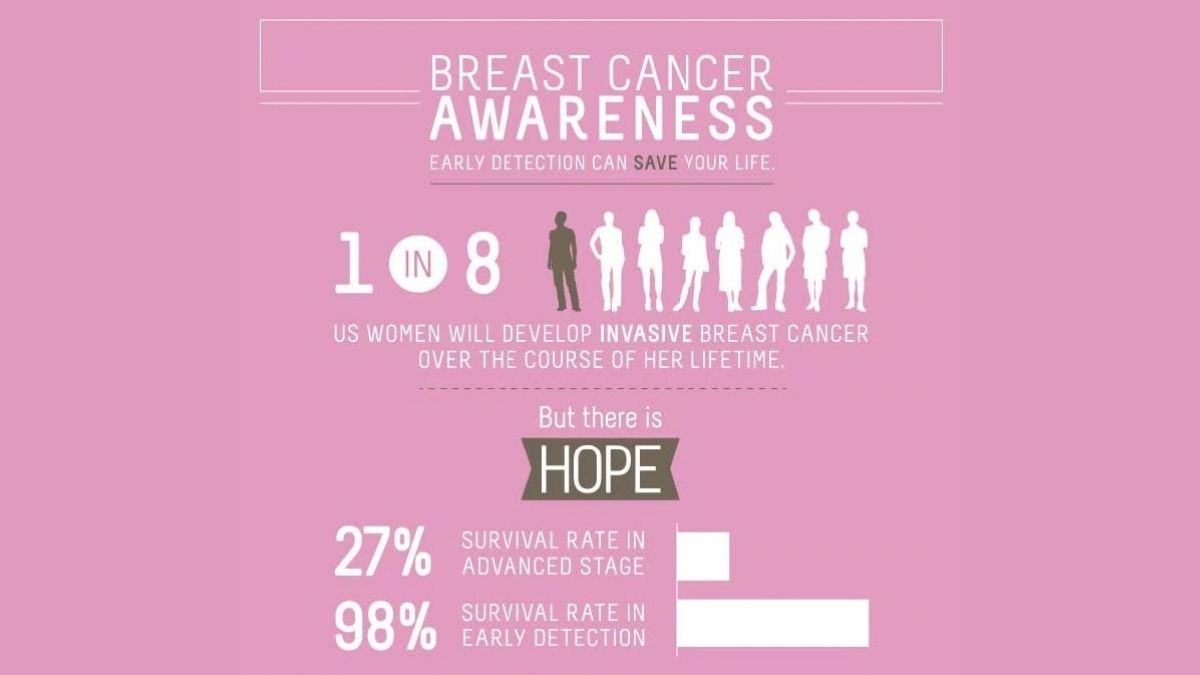
- Prevalence: About 1 in 8 women (13%) will develop invasive breast cancer in their lifetime.
- Survival Rate: When caught early at a localised stage, the 5-year relative survival rate is over 99%.
- Men can get it too: Although breast cancer affects mostly women, men can get it too. Less than 1% of all breast cancers occur in men.
Signs and Symptoms
- Lumps: A new lump or thickening in the breast or underarm area.
- Changes in shape: Unexplained change in the size, shape, or physical appearance of the breast.
- Skin changes: Dimpling, redness, pitting, or thickening of the skin (sometimes called peau d’orange).
- Nipple issues: Inversion, scaling, or abnormal/bloody discharge from the nipple.
Risk Factors and Prevention
- Age: Risk increases as you get older, with the median age at diagnosis being 62.
- Genetics: About 5% to 10% of cases link to inherited gene mutations like BRCA1 and BRCA2.
- Lifestyle: Maintaining a healthy weight, exercising regularly, and limiting alcohol can help lower your risk.
- Screening: Regular mammograms are proven to find cancer early and save lives.
- For more information about screening guidelines, visit the National Breast Cancer Foundation website.
Breast Cancer Awareness Month
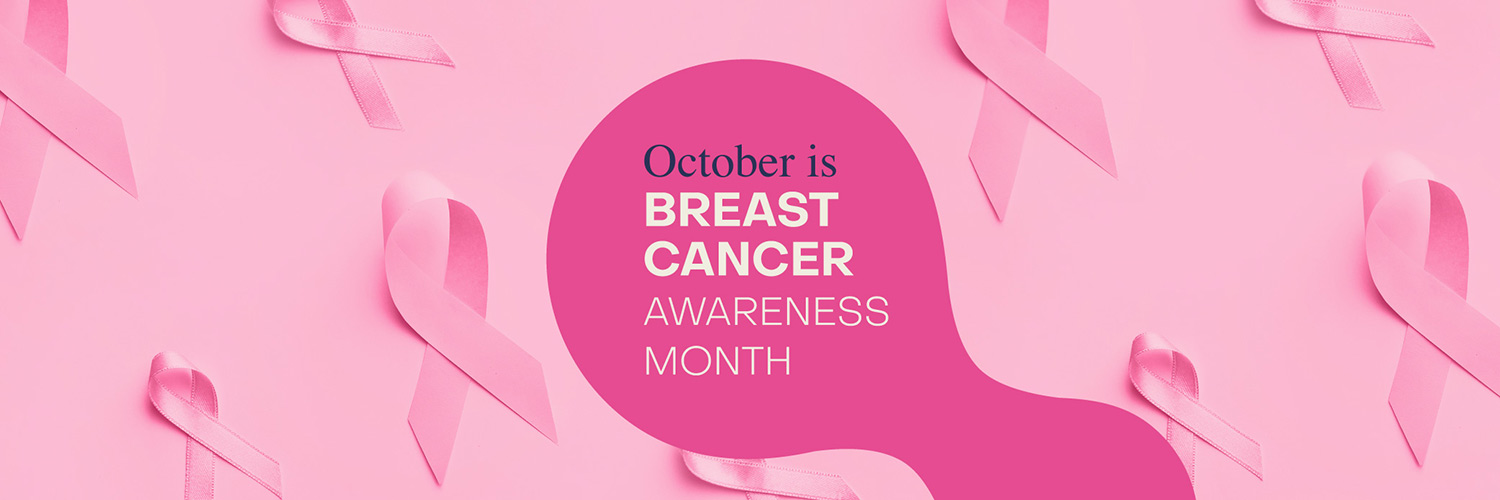
Breast Cancer Awareness Month is celebrated worldwide every year from 1 to 31 October. The World Health Organization (WHO) and major health groups recognise October to increase disease awareness, promote early detection, and support research into prevention and cures.
The Pink Symbol: The pink ribbon serves as the main international symbol of hope and support for those affected by breast cancer. Campaigns emphasise regular screenings (such as mammograms and self-exams), timely diagnosis, and comprehensive care
For more information, visit the National Breast Cancer Foundation website.
Source: ASCO Global Oncology Review https://ascopubs.org/doi/10.1200/GO-25-00694