


To be a Sudanese woman is to be raised inside a masterclass of sensory immersion and social precision. Our culture is built on the warmth of lama (gathering) where the air carries the sharp aroma of burning bakhoor (incense) and brewing jabana (coffee), the clatter of porcelain cups, and the overlapping cadence of family conversations. Hospitality is not just a gesture; it is an art form.
For neurodivergent Sudanese mothers, however, this rich cultural ecosystem can feel like walking a tightrope without a net.
Whether navigating the active devastation of war inside Sudan or rebuilding fragmented lives across the diaspora, mothers with autism, attention-deficit/hyperactivity disorder (ADHD), AUDHD (a non-medical term for having both autism and ADHD), sensory processing differences, or executive dysfunction carry an invisible, compounding weight. They are managing not only the universal friction of a world built for neurotypical minds, but also the heavy expectations of a culture that deeply values social harmony, collective endurance, and flawless domestic stewardship.
The Statistical Blindspot
Part of what makes these mothers invisible is a profound medical data void. Exact statistics on neurodivergent Sudanese mothers do not exist, largely because Black women represent less than 7% of participants in global autism research. Furthermore, because boys are diagnosed with conditions like autism and ADHD at roughly four times the rate of girls, millions of women worldwide spend their lives masking their struggles until the intense cognitive demands of motherhood trigger sudden, overwhelming burnout.
Yet, the signs have always been there in the numbers. Community screenings in Sudan have estimated childhood ADHD prevalence at nearly 10%. Given that neurodivergence is heavily genetic, those numbers reflect an uncounted generation of mothers who share those exact traits. In traditional Sudanese society, however, these traits rarely receive a medical label. Hyperfocus and deep internal masking are praised as extreme devotion, right up until the mother collapses.
The Combination of Neurodivergence and PTSD
It is crucial to shed light on neurodivergent mothers who also suffer from post-traumatic stress disorder (PTSD). Mentioning that a neurodivergent mother whose daily job is to multi-task between house chores as well as a career in some cases, sounds challenging. However, when you add posttraumatic stress disorder into the mix, this sounds like a nervous system that is hanging on by a thread. Trauma triggers strip away working memory mid-task, leading to forgotten appointments, extreme paralysis around starting chores, and a feeling of constantly drowning in routine demands. Additionally, trauma takes away the ability to mask several states of mind, which will put the traumatised and neurodivergent mothers under extreme scrutiny. Executive dysfunction — the paralysis that makes organising a household or tracking multi-step routines feel like climbing a mountain — is easily misread as laziness or neglect. Sensory overload is mistaken for anti-social behaviour or coldness. Consequently, being stigmatised will lead to a vicious cycle of guilt and self doubt in those mothers which will eventually worsen their mental wellbeing and symptoms.
The Cost of Performance
Sudanese motherhood demands an immense amount of social fluidity. Performing unwritten social scripts such as relatives visits or occasions, requires immense energy. When combined with neurodivergence and the different kinds of trauma the energy required to “pass” as an all-capable mother consumes whatever reserves remain. The high expectations of the society that are placed on women’s shoulders would never align or hold space for such inconvenience. Yes, inconvenience because the call for women’s/mothers’ perfection by the society interferes with the symptoms of PTSD and executive dysfunction caused by sensory processing issues.
Survival Under Fire and in Exile
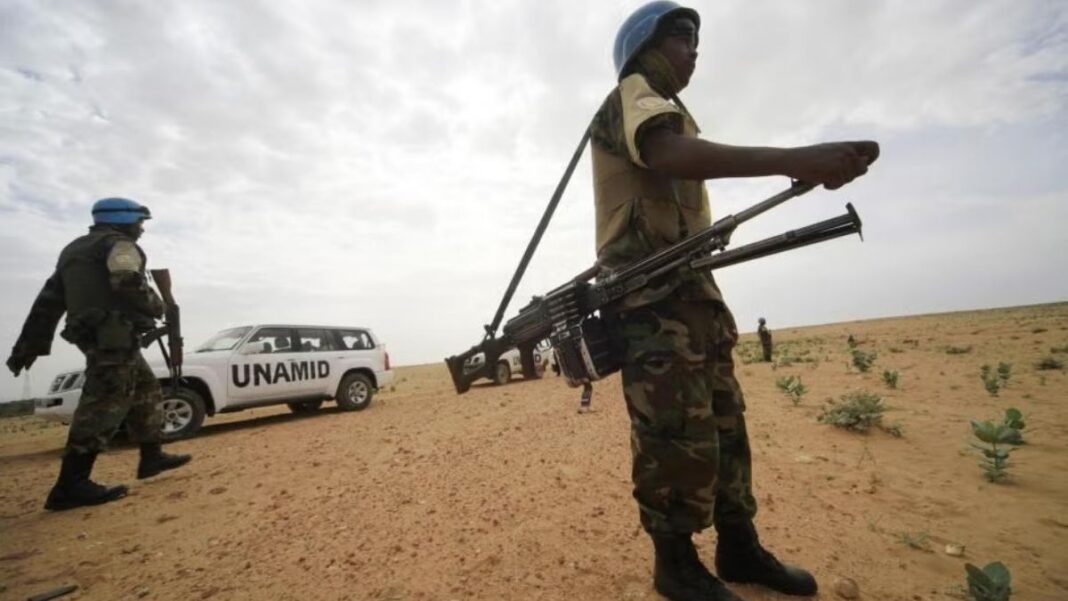
Inside Sudan today, this dynamic is amplified to an unfathomable degree. Recent assessments in war-impacted regions indicate that over 62% of pregnant and perinatal Sudanese women are experiencing severe anxiety and psychological trauma. For an autistic or ADHD mother in Khartoum, Al Gezira, or Darfur, the hypervigilance required to keep children safe amidst active conflict is terrifyingly relentless. The sensory assault of displacement — crowded shelters, roaring jet engines, unpredictable routines, and the loss of familiar anchor points — strikes at the very core of neurodivergent regulation. When basic survival is at stake, the luxury of a sensory reset simply does not exist.
Across the diaspora — from Egypt and the UK to countries in the GCC and North America — the challenges shift, but they do not evaporate.
In exile, neurodivergent mothers lose the historical safety net of the extended family. The traditional haya (communal neighbourhood support) that once distributed child-rearing and domestic labor across grandmothers, aunts, and neighbours is gone. Instead, mothers face the stark isolation of nuclear living in fast-paced, individualistic societies.
While Western countries offer formal diagnoses and school accommodations, they also introduce new layers of systemic friction. Sudanese diaspora mothers frequently encounter medical systems steeped in racial bias, where their communication styles are misinterpreted or their children’s neurodivergence is blamed on parenting style. Furthermore, navigating complex educational bureaucracies in a second or third language requires intense executive functioning — the exact cognitive resource that burnout drains most.
A Call for Community Space
It is time to broaden how we talk about mental health, caretaking, and resilience in Sudanese communities.
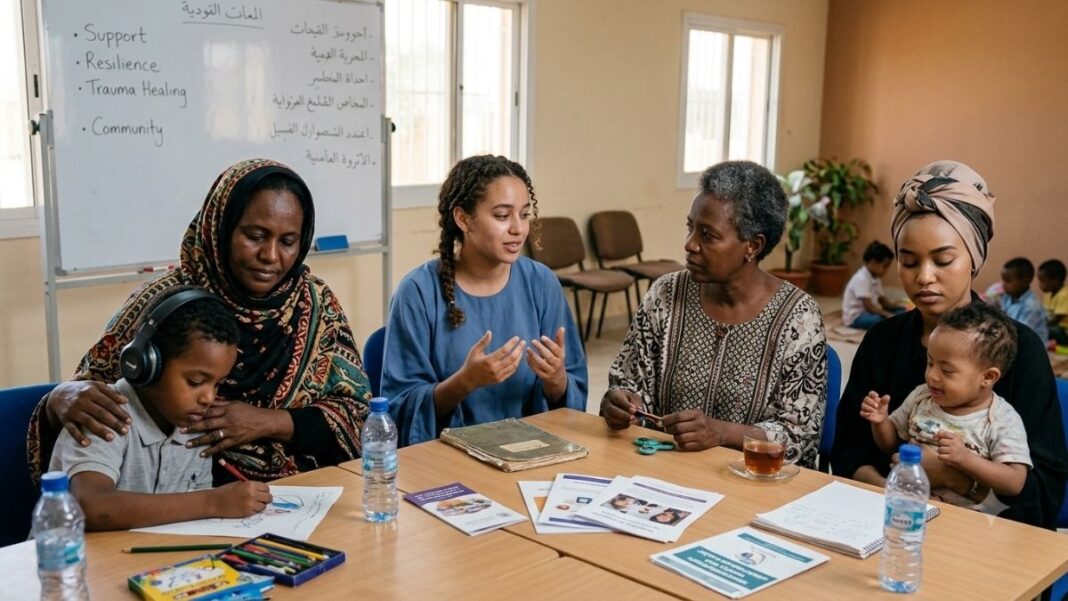
Recognising neurodivergence among Sudanese mothers is not an endorsement of Western pathologising, nor is it a rejection of our traditions. It is an act of deep empathy and community preservation. It means creating spaces within our homes, community centers, and mutual aid groups where sensory burnout is understood, where executive struggles are met with practical assistance rather than social judgment, and where a mother’s need for quiet is seen as self-preservation rather than detachment.
Sudanese mothers have spent generations holding communities together through revolution, displacement, and war. It is long overdue that we make space to hold them — exactly as their minds are built — in return.
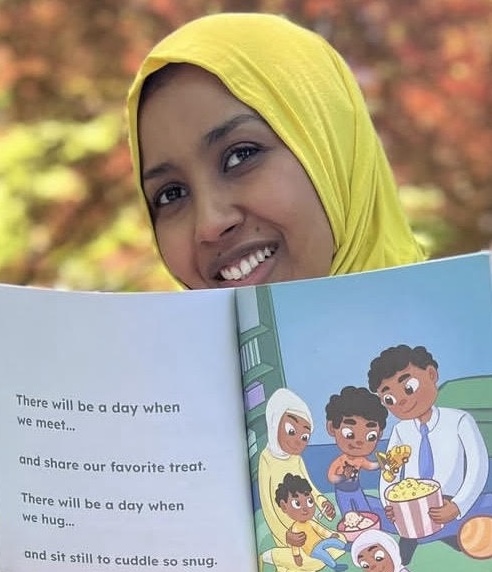
Sara is an author, journalist, and a previous communication specialist with a passion for storytelling that bridges complex social issues and deeply human experiences. She holds a degree in Journalism accompanied by a certificate in Middle Eastern Studies. Her journalistic work spans a diverse array of critical global topics, ranging from in-depth reporting on gender controversies in Sudan to exploring solutions in sustainable fashion. Sara is the debut author of the children’s book There Will Be a Day. Driven by a personal mission to provide comfort and gentle guidance, she wrote the book to help young readers navigate the difficult journey of grief and loss.