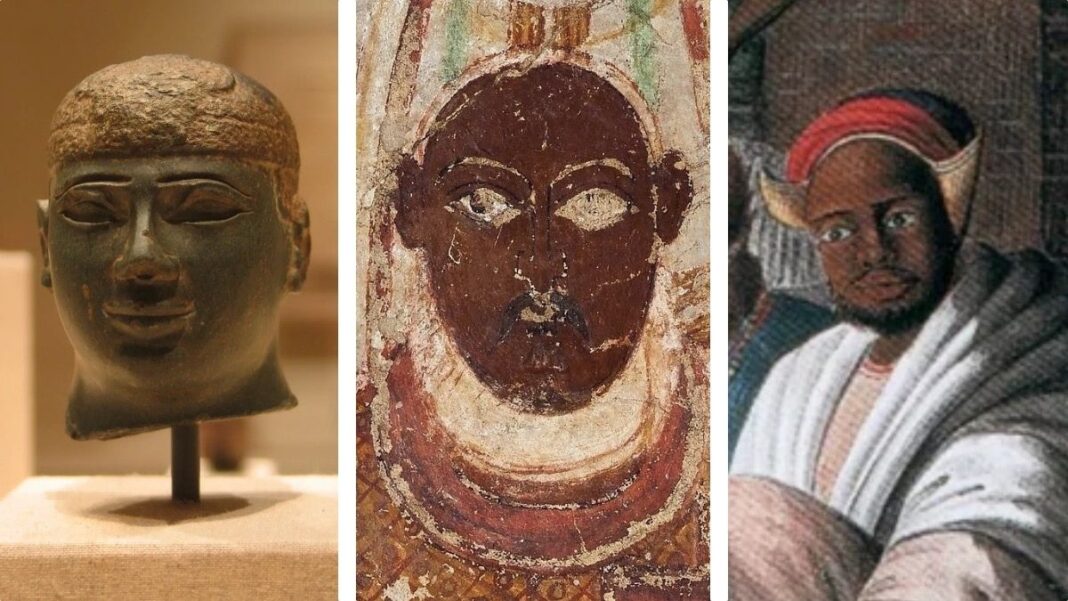
How does the land of Kush, whose very name conjures images of Black royalty writing hieroglyphs and building pyramids, become Sudan, a country whose local identity and international image are inseparable from its Arab-Islamic connections?
While Sudan’s past and current cultural reality are well-known, the process by which the former transitioned into the latter is often misunderstood. Many envision a straightforward process of colonisation, through which foreign conquerors violently stripped local populations of their language, culture, and religion, imposing on them an Arab identity. Others counter with an almost romantic idea of single Arab settlers marrying into the local populace and giving birth to the modern Sudanese nation.
Both perceptions proceed more from political beliefs about Arab-Black relations in Sudan and outside it, rather than historical study, which reveals a much more complex process of ta’rib (Arabisation).
In the last two Kalam Zaman columns, I discussed the origins of Sudanese ideas of race, with a focus on the concept of “Blackness” and how it is understood today. Some may have noticed that, in those articles, I glossed over the history of Arab identity, despite its concurrence with the rise of Blackness in post-medieval Sudan. In reality, the story of Sudanese Arabness is no less complex, and historians are equally as fascinated and divided by it.
By looking at competing explanations for how ta’rib played out in riverine Sudan, one sees not only how geography and economics shaped the country’s cultural landscape, but also the political weight of this question’s many answers.
Pre-Arab Ethnic Identity in Riverine Sudan
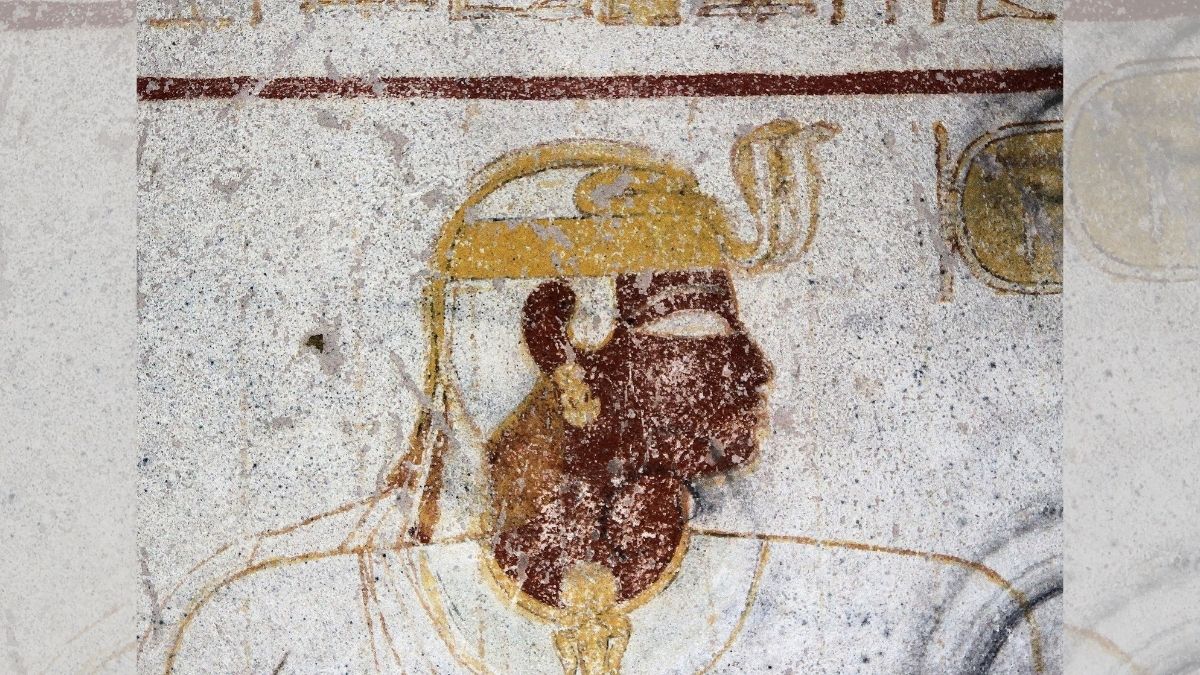
Before the rise of Arab-Islamic kingdoms, riverine Sudan, which stretches along the banks of the main Nile, Blue Nile, and White Nile rivers, primarily north and central of Khartoum down toward the Egyptian border, was ruled first by the kingdoms of Kush (2450 BCE – 350 CE), followed by the kingdoms of Christian Nubia (400-1500 CE). The kingdoms of Kush were ruled by elites who wrote in Ancient Egyptian and Meroitic, an extinct and poorly understood language believed to have links with languages such as Nubian, Nara, and some Nilotic languages. Historians typically label these people ethnic Kushites/Nubians, in contrast to their non-Meroitic speaking contemporaries.
The Christian Nubian kingdoms of Nobatia, Makuria, and Alodia, on the other hand, were ruled by an elite who typically wrote in Old Nubian, an early form of the Nobiin language, and therefore are understood to be the ethnic predecessors of modern Nubians in Sudan and Egypt. From this era, a written document in the Old Beja language also survives, with medieval Arab geographers confirming an ethnic Beja presence in these kingdoms, with some modern scholars arguing they had an even earlier presence in Kush.
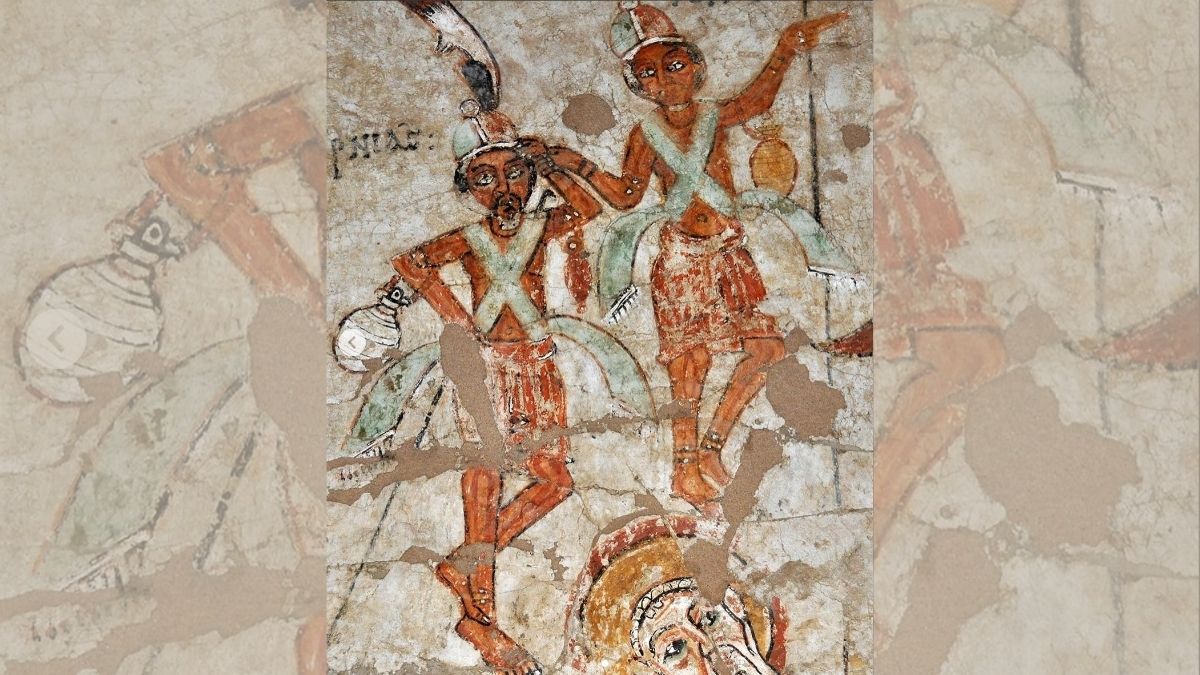
Written languages, however, can’t tell the whole story. It’s very possible many who wrote in Meroitic were not “ethnically Kushite,” similar to how Scottish people use English without being ethnically English. Additionally, these written documents are usually religious or political, and don’t offer a clear picture of local ethnic groups. Terms such as Kushite or Nobatian may have described any citizen of these kingdoms, regardless of their ethnicity. If we over-rely on these records, we can miss groups who spoke unwritten languages, and underestimate the diversity in pre-Arab riverine Sudan. Indeed, Egyptian and Graeco-Roman records paint a picture of a riverine Sudanese population more diverse than Meroitic, Nubian, and Beja speakers alone.
Keeping these limitations in mind, we can say that pre-Arab riverine Sudan consisted of speakers of Meroitic, Beja, and Nubian languages, and possibly other groups whose languages didn’t survive. How these peoples drew their ethnic boundaries is hard to tell, meaning we should be cautious when talking about Kushite, Beja, and Nubian ethnic identity in this time period.
Who is an Arab?
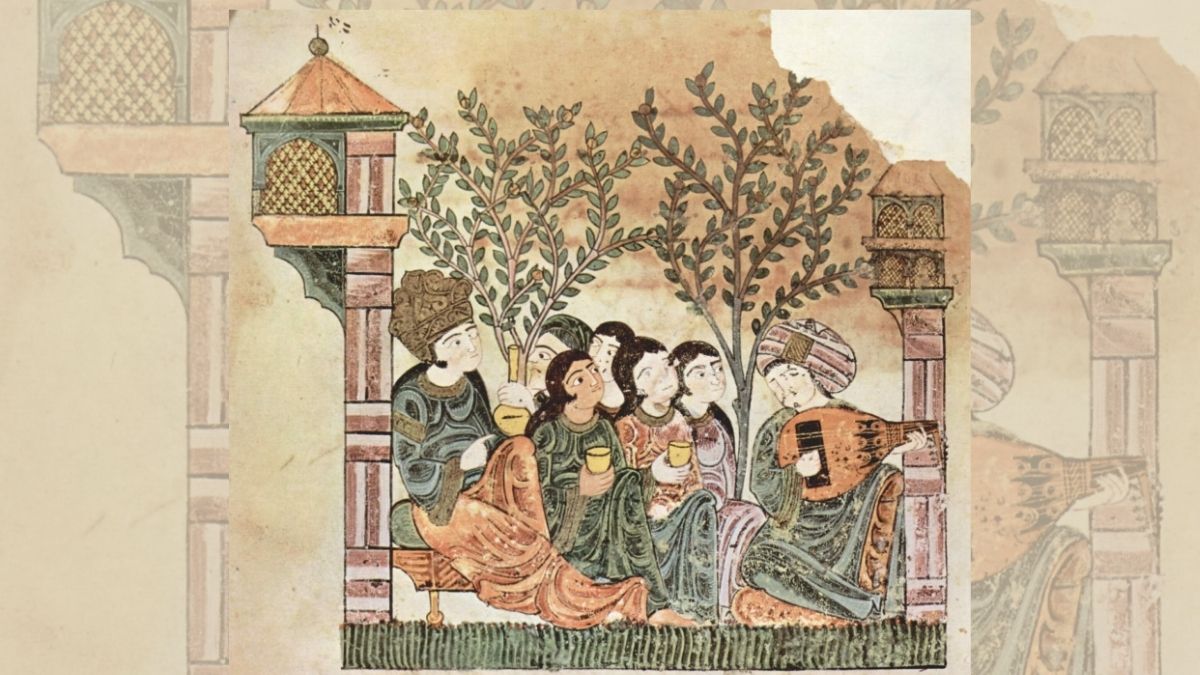
In the 6th century, the religion of Islam emerged in the Arabian Peninsula, quickly becoming a global religion thanks to a series of new Muslim empires, especially the Rashidun, Umayyad, and Abbasid caliphates. Under these empires, the Peninsular Arab tribes, who first adopted the religion, became a new elite that settled throughout conquered territories in north Africa and southwest Asia.
These processes of migration and conquest helped to crystallise ‘uruba (Arabness) as a unique ethnolinguistic category. Medieval Muslim scholars began distinguishing ‘arab ‘ariba (“Arabising Arabs”), the Peninsular groups who first spoke Arabic, from ‘arab musta’riba (“Arabised Arabs”), who adopted the language and identity via contact with ‘arab ‘ariba. Interactions with imperial settlers in countries such as Egypt, Iraq, and Morocco gradually transformed non-Arab subjects into ‘arab musta’riba, who used Arabic in daily life and considered themselves distinct from local and foreign non-Arab groups.
Sudanese Arab History According to Sudanese Arabs
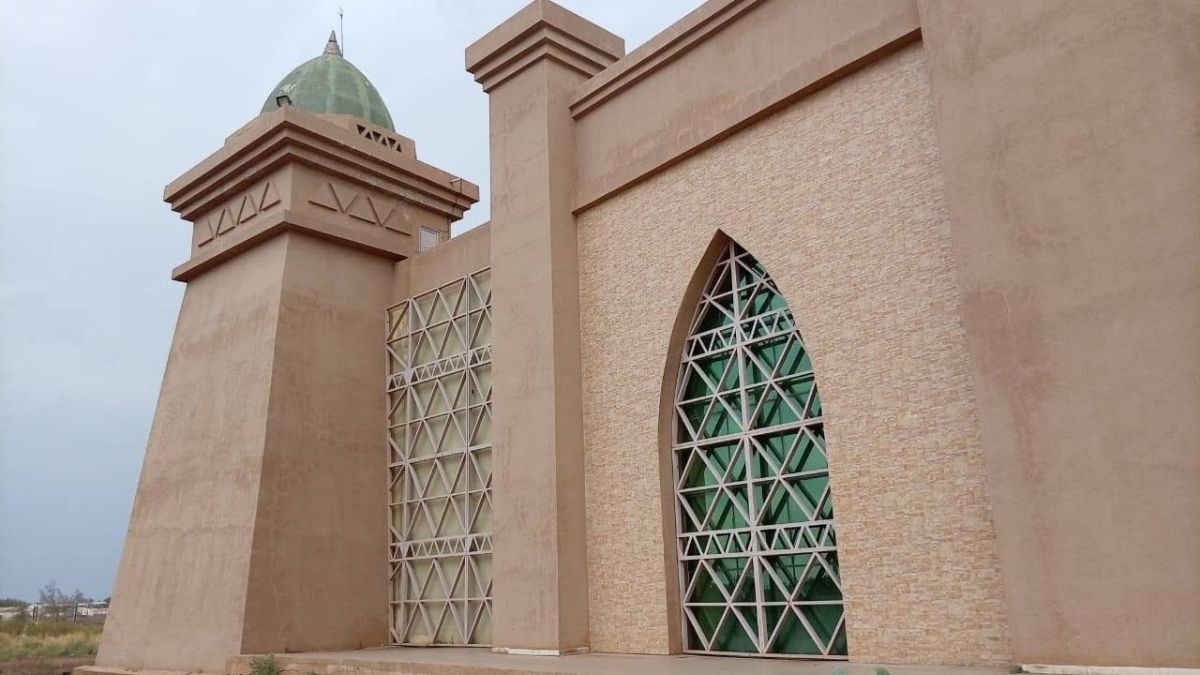
Although riverine Sudan resisted medieval Islamic conquest, a process of Arabisation took place nonetheless. Local oral and written sources attribute this to the fall of Christian Nubian rule, which allowed Arab Muslim traders and religious scholars to settle in riverine Sudan. According to these sources, intermarriage between migrants and non-Arab locals led to the gradual emergence of Arab Muslim political identities. Most important were the Abdallab and Funj Sultanates, both headed by Arabic-speaking, Muslim sultans with local and migrant ancestry.
These two sultanates eventually confronted each other, and in 1504, the victorious Funj established the Kingdom of Sinnar, ruling riverine Sudan until Ottoman conquest in 1821. The kingdom’s sponsorship of foreign and local Arab Muslim scholars continued to spread these identities, ultimately eclipsing the pre-Arab languages and pre-Islamic religions of the region.
The Sudanese Arab historical tradition is a relic of this process, consisting of a handful of pre-Ottoman written histories and a large genealogical tradition (ansab), which traces Sudanese Arab tribes to prestigious, early Muslim figures from the Arabian Peninsula. These sources serve an important social function, placing Sudanese within the broader Arab-Islamic heritage while separating them from Sudanese non-Arabs, who do not identify with Peninsular lineages.
Migration Theory
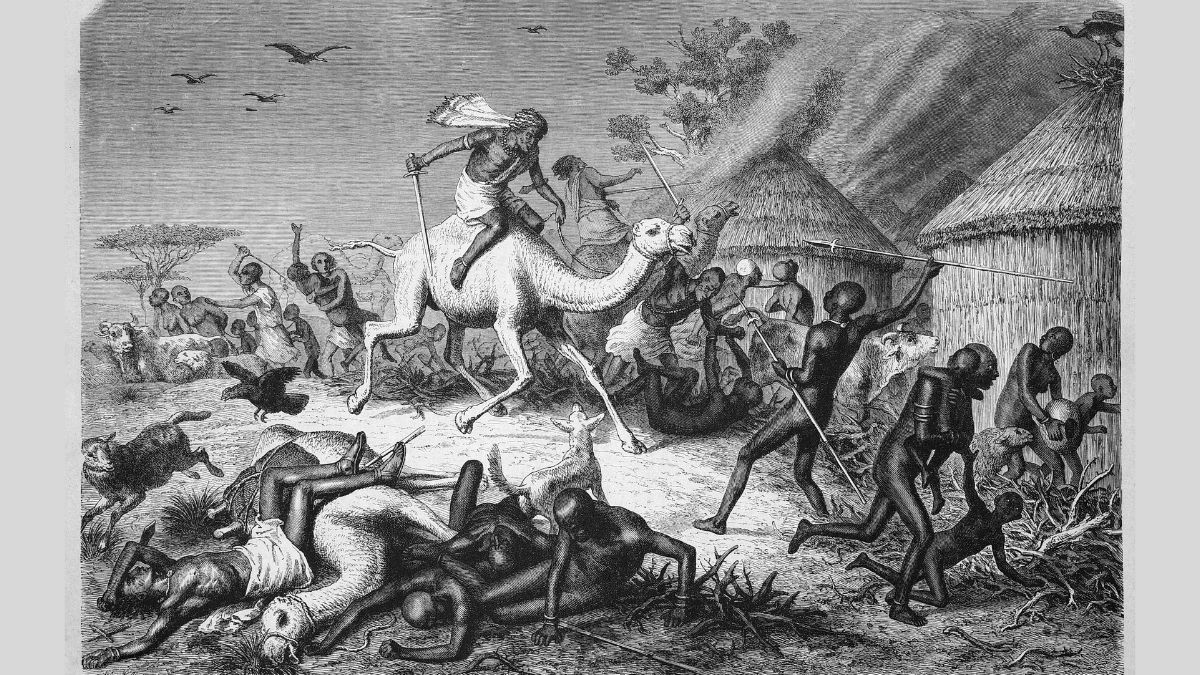
Following the English colonisation of riverine Sudan in 1898, colonial administrators, in particular Harold MacMichael, elaborated on these histories with Western historical methods. Believing race determines behavior, these colonial researchers focused on explaining how superior non-African races dominated and reshaped an inferior African society.
After the end of English rule in 1956, post-colonial Sudanese historians continued to develop this understanding of Sudanese Arabisation, dubbed “migration theory.” Perhaps most influential is Sudanese academic Yusuf Fadl Hassan, whose 1967 book, The Arabs and the Sudan, posits the slave and precious mineral trades as motivators for Arab migration. This led to the replacement of the Nubian and Beja population with Arabised descendants of migrants. For Hassan, this cultural change did not flow in one direction, as he argues migrating Arabs also adopted local traditions and languages.
This broad outline continues to be nuanced and refined with new methods, such as a 2017 genetic study of Sudanese tribes, demonstrating the presence of Eurasian DNA in riverine Sudanese.
Continuity Theory
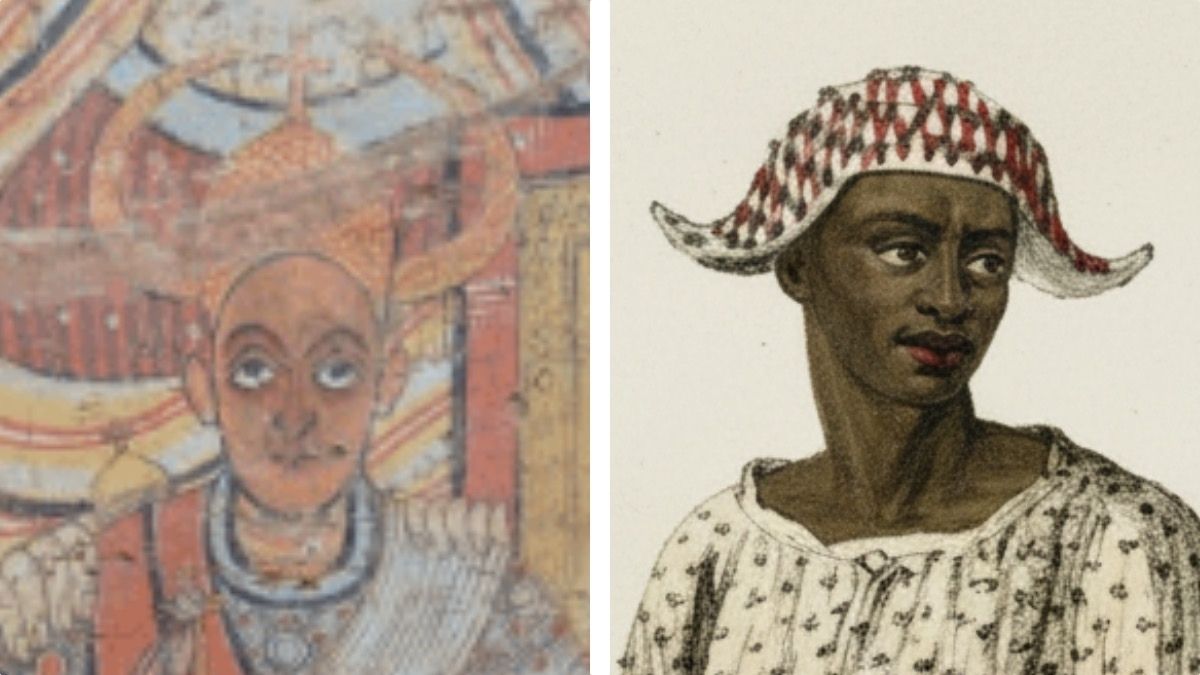
Although early and popular, migration theory has not gone unchallenged. As far back as the 1970s, academics such as American historian Jay Spaulding have rejected immigration as the primary cause for the spread of Arab identity. Referred to as “continuity theory,” Spaulding and others cite archaeological, cultural, and linguistic continuity between Sudanese Arabs and pre-Arab groups to argue sociopolitical processes drove Arabisation.
Part of this criticism is the unreliability of Sudanese Arab genealogical tradition, which is often inconsistent with older historical records, suggesting the tradition was developed in the late 18th century. Continuity theorists also point out cultural overlaps between riverine Sudanese Arabs and their non-Arab ancestors, with American archaeologist William Adams noting Funj and Christian-era artifacts are so similar as to be considered “a single phase in Nubia’s cultural development.” In 2023, German researcher Gabriel Gerhards collected eyewitness reports of post-medieval Sudanese Arabs such as the Ja’aliyyin and Ababda speaking Nubian and Beja languages. Indeed, the very genetic study demonstrating the existence of Eurasian DNA among Sudanese Arabs, also reveals that DNA exists in similar amounts among non-Arab Nubians and Beja, indicating Arab ancestry alone does not determine identity.
With this in mind, continuity theorists argue instead that the non-Arab, riverine Sudanese adopted Arabic due to their conversion to Islam and economic relations with their Arab neighbours. They then developed Arab genealogies to gain prestige in the Funj Sultanate, where Arab Muslim lineage conferred privilege, and non-Muslim populations were targeted for slavery.
Some, such as Sudanese historian Ali Ibrahim, have criticised continuity theory for dismissing local histories and depending too much on archaeology, which struggles to give insight into personal ethnic identity. On the flip side, many continuity theorists view migration theory as a colonialist fiction that views world history as successive, violent domination by superior races.
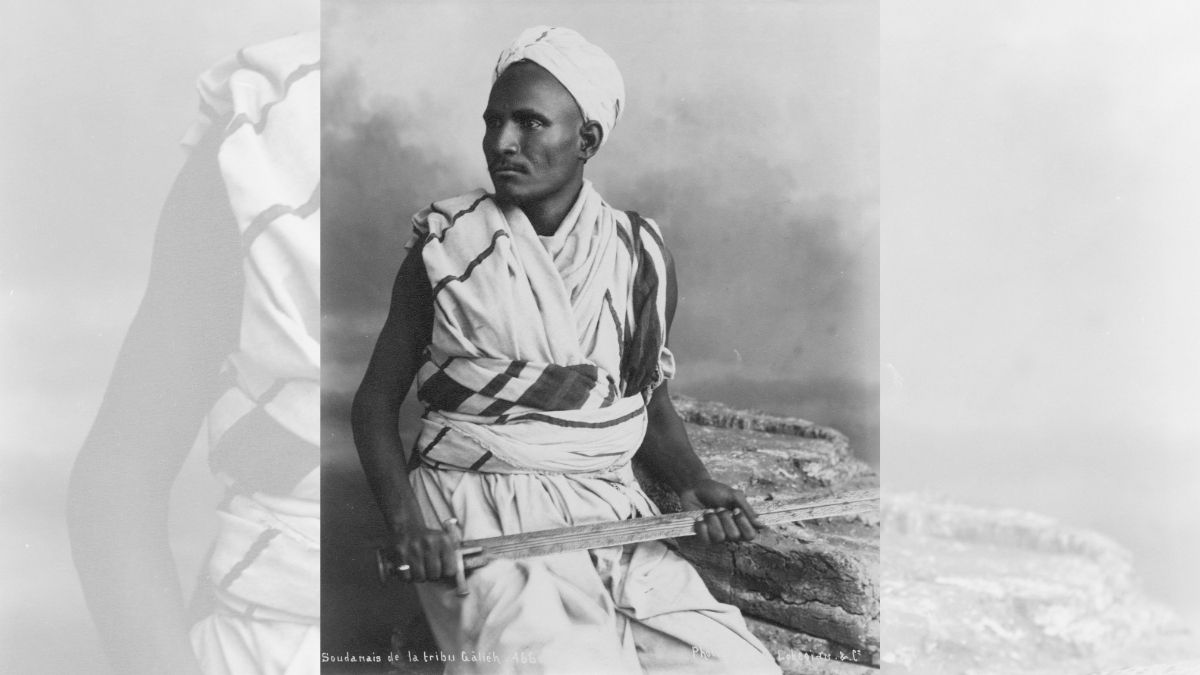
This debate is not unique to Sudanese history. In a 2025 article, Egyptologist Julien Cooper points to similar discussions in European history, where newer researchers reject once dominant migration theories. According to Cooper, this rejection is both academic and political, which is also true in the Sudanese context. Supporters of migration theory — such as Sudanese historian Awn Al Sharif Gasim — are often avowed pan-Arabists. On the other hand, continuity theory is invoked by sceptics of Arab nationalism, who, by rejecting Arab identity as a social construction, can also reject Sudan’s Arab political connections in favour of a pan-Africanist outlook. Adherents to both theories view their lens as expressing local reality while refuting Westernised distortions of Sudanese history.
Regardless of political message, however, the explanations for riverine Sudan’s Arabisation agree on a few key facts. Firstly, social and economic contacts with the medieval Arab-Islamic world played at least some role in developing a local, Arab Muslim identity. This did not suddenly overwrite the local culture and languages, which continued to be a part of the new Arab communities. Simultaneously, these communities drew on a history of migration to develop genealogies which justified their political and economic power. The result today is a majority Muslim society, where Arabic is the language of power, and Arab genealogies serve to unite and divide groups, with visible political consequences. While may be weary of the discussion, the question of Arabisation is one of the most important to properly understanding the social divides which permeate Sudan’s economic and political reality.
500WM Columnist Hatim Eujayl is a Sudanese-American writer involved in various projects to promote Sudanese culture. His most famous works include the Sounds of Sudan YouTube channel, the Geri Fai Omir Kickstarter, and the Sawarda Nubian font. More of his writing can be found on his Substack, ‘My Sudani-American LiFE,’ where he discusses Sudanese literature and cinema. He can be reached on Instagram @massintod or by email at [email protected].


