
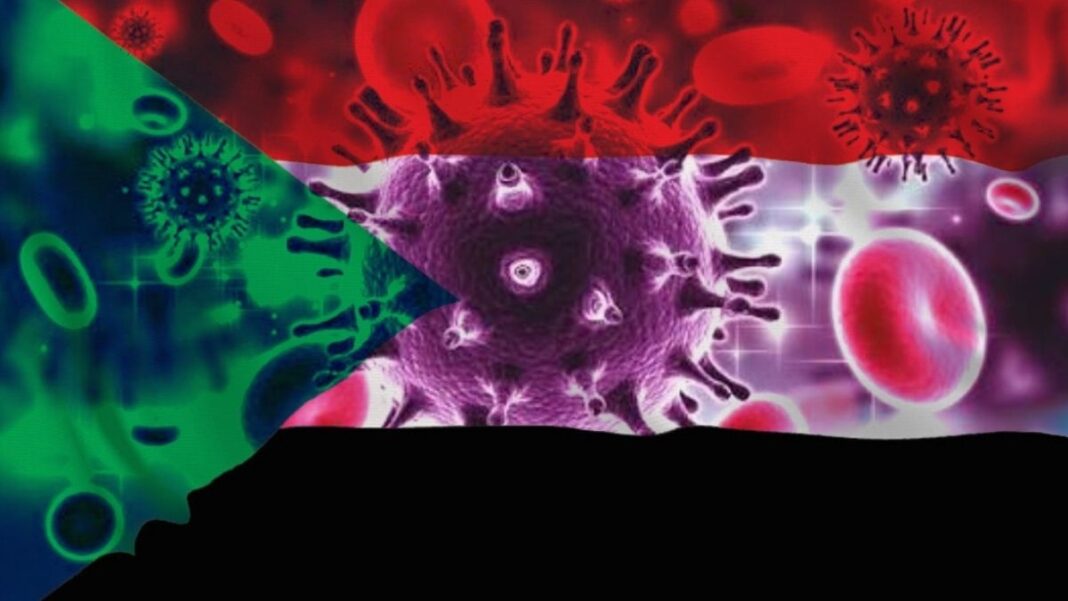
The Communicable Diseases Department at the Ministry of Health reveals that 13,401 cases of HIV/AIDS have been recorded up to 2026.
Sudan faces severe challenges with both humanitarian aid shortages and a rising HIV/AIDS crisis due to ongoing war in Sudan.
The war in Sudan, which began on 15 April 2023, is a devastating power struggle between the Sudanese Armed Forces (SAF) led by General Abdel Fattah Al Burhan and the paramilitary Rapid Support Forces (RSF) led by Mohamed Hamdan Dagalo (Hemedti). The conflict has resulted in the world’s largest internal displacement and hunger crisis, leaving tens of millions in urgent need of humanitarian assistance.
Sudan entered its current war with an alarmingly fragile HIV/AIDS response. The war has thrust millions of civilians into immediate peril, rendering them vulnerable to death, displacement, sexual violence, economic hardship, hunger, and infectious disease outbreaks.
Furthermore, rape and sexual violence are being systematically and deliberately used as a weapon of war by armed groups in Sudan’s ongoing civil war, which began in April 2023. The United Nations (UN) and human rights organisations have documented conflict-related sexual violence across 16 of Sudan’s 18 states – verified 546 incidents of conflict-related sexual violence from the beginning of the conflict to mid-April this year, affecting at least 838 victims – 539 women, 284 girls, eight men and seven boys. The escalation of sexual violence, rising transactional sex linked to economic collapse, and the breakdown of preventive services now create an immediate risk for a largely undetected surge in HIV transmission.
Recent global funding cuts now endanger Sudan’s fragile gains and demand immediate attention. Providing HIV care during conflict is challenging due to myriad unmet basic needs. Context-specific strategies are required to ensure continuity of care, including integrating HIV services into primary care, simplifying diagnostic and treatment protocols, decentralising ART delivery, forming community-supported ART groups, and strengthening supply chains.
War-related violence and broken health systems increase HIV transmission risks. Many testing and treatment centres are shut down or hard to reach. Medical teams try to keep care running through mobile health units and local networks.
Amid severe funding shortages, international humanitarian response plans remain critically underfunded, forcing agencies to scale back essential life-saving operations. Insecurity, the displacement of healthcare workers and supply chain disruptions have also led to the closure of numerous HIV centres, severely undermining HIV surveillance and access to essential services.
Major agencies such as the IOM work to deliver emergency hygiene kits, tents, and food. Other agencies such as the International Rescue Committee (IRC), CARE, International Committee of the Red Cross (ICRC), Médecins Sans Frontières/Doctors Without Borders (MSF) and various UN organisations maintain operations on the ground or in neighbouring countries to support displaced populations.
Sources: Al Jazeera Sudan, The Lancet,
Related posts