


On Monday, 13 July 2026, the European Union (EU) decided to strengthen the EU’s restrictive measures concerning Sudan by introducing new sectoral measures targeting the war economy to curb sources of financing for the war and further increase pressure on those fuelling the war.
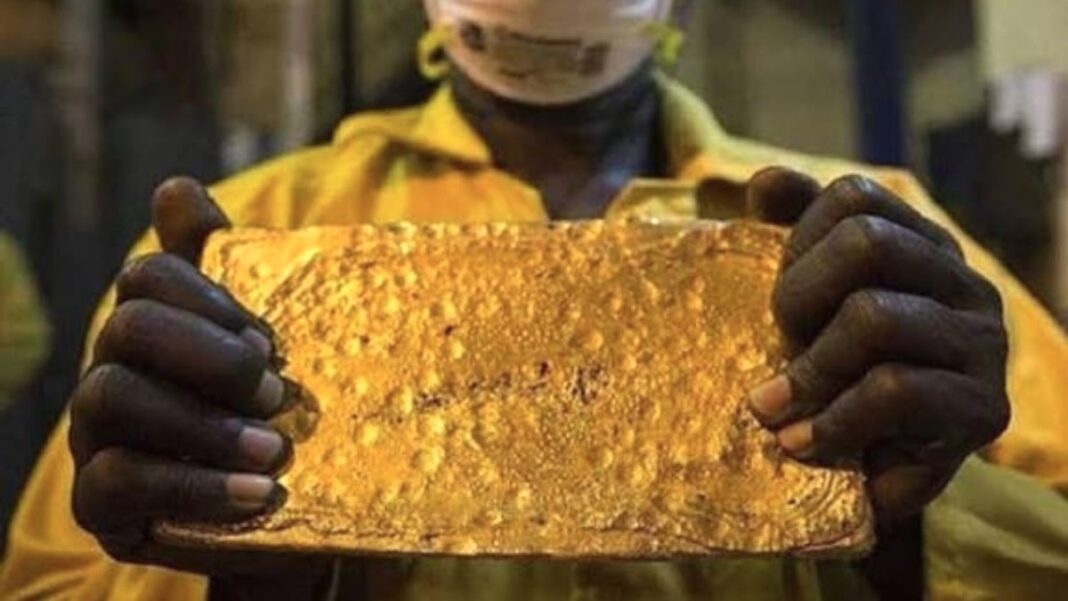
The decision introduces a ban on the purchase, import or transfer of gold originating in Sudan. It also bans the sale, supply, transfer or export of mercury and cyanide to Sudan. “These chemicals are widely used for gold mining or gold exploitation. Both measures are accompanied by prohibitions on the provision of related services, including technical assistance, brokering services and financial assistance,” said the statement by the EU.
“Gold has become a key source of revenue sustaining the conflict in Sudan. By restricting trade in Sudanese gold and limiting access to chemicals used for gold mining and gold exploitation, the EU aims to reduce the resources available to those responsible for perpetuating the violence,” the EU stated.
The decision includes targeted exceptions. For instance, the restrictions on mercury and cyanide do not apply to goods intended for humanitarian purposes, public health emergencies and disaster response.
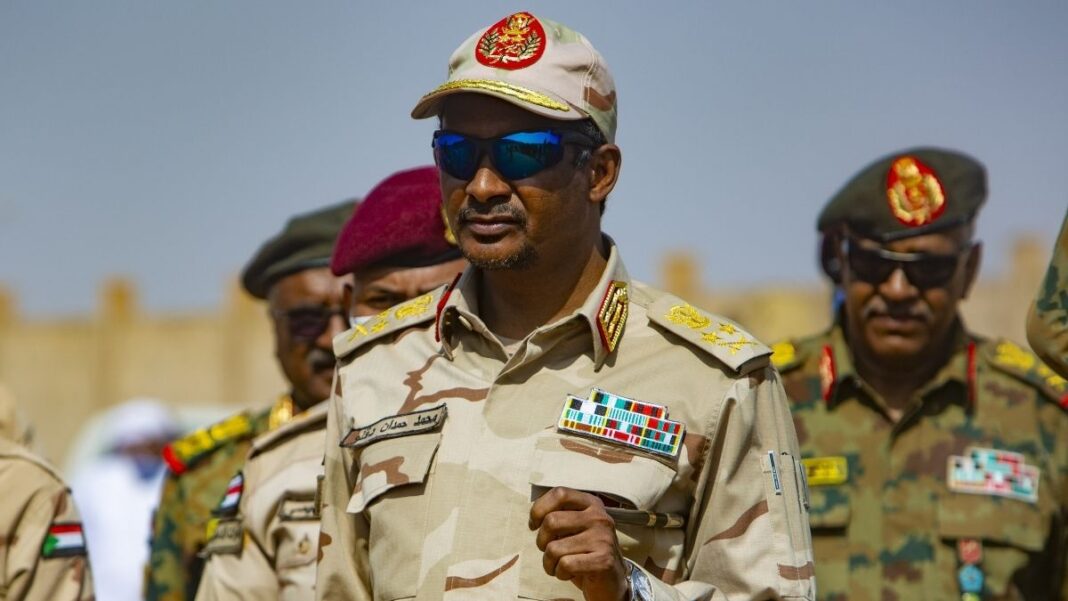
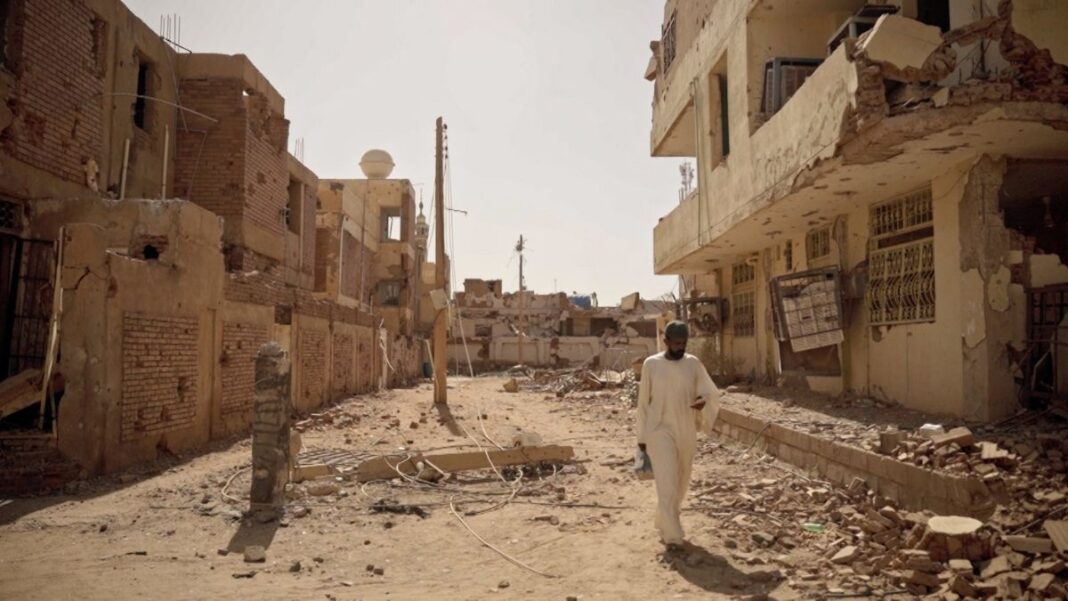
The measures are part of the EU’s continued response to the war in Sudan, which is Africa’s third-largest gold producer, extracting roughly 70 tons annually. The country is facing the biggest humanitarian crisis in the world and the world’s largest displacement crisis due to an ongoing war, which began in April 2023, between the Rapid Support Forces (RSF) and Sudanese Armed Forces (SAF). An estimated 12 to 14 million people have been displaced, and over 150,000 have been killed. Both sides have been accused of serious violations of international humanitarian law, some of which may amount to war crimes, including sexual violence against women and girls.
Since the war began, illicit gold smuggling has been one of the main sources of financing for the war. An estimated 50% to 70% of Sudan’s gold production is smuggled out of the country annually. Gold has become the country’s primary economic lifeline and a major funding source for the warring factions, with the trade heavily intertwined with smuggling and foreign markets. Control of the country’s multi-billion-dollar gold production is fiercely contested. The SAF hold many mining regions in the east, while the RSF control central and southwestern goldfields. Both sides rely heavily on revenue from small-scale artisanal mining to purchase weapons and sustain their war efforts. Historically, the vast majority of official and illicit Sudanese gold exports have gone to the UAE, where it is refined and sold globally. Gold controlled by the SAF is also frequently smuggled through Egypt.
However, the sanctions do not include new measures against the RSF despite the European Parliament urging the bloc to add the RSF to its list of terrorist organisations and a report by a United Nations (UN) stating that atrocities committed by the RSF in Al Fasher, the capital city of North Darfur, bore “the hallmarks of genocide”. The parliament also condemned the UAE for its role as the main sponsor of the RSF. The resolution was passed by a 476 to 28 margin on 9 July. The Global Security Services Group, an Abu Dhabi-based group, was also accused of having ties to the UAE ruling family and senior officials, and accused of violating the UN arms embargo in the western Darfur region.
For more information, see the full EU statement at consilium.europa.eu