


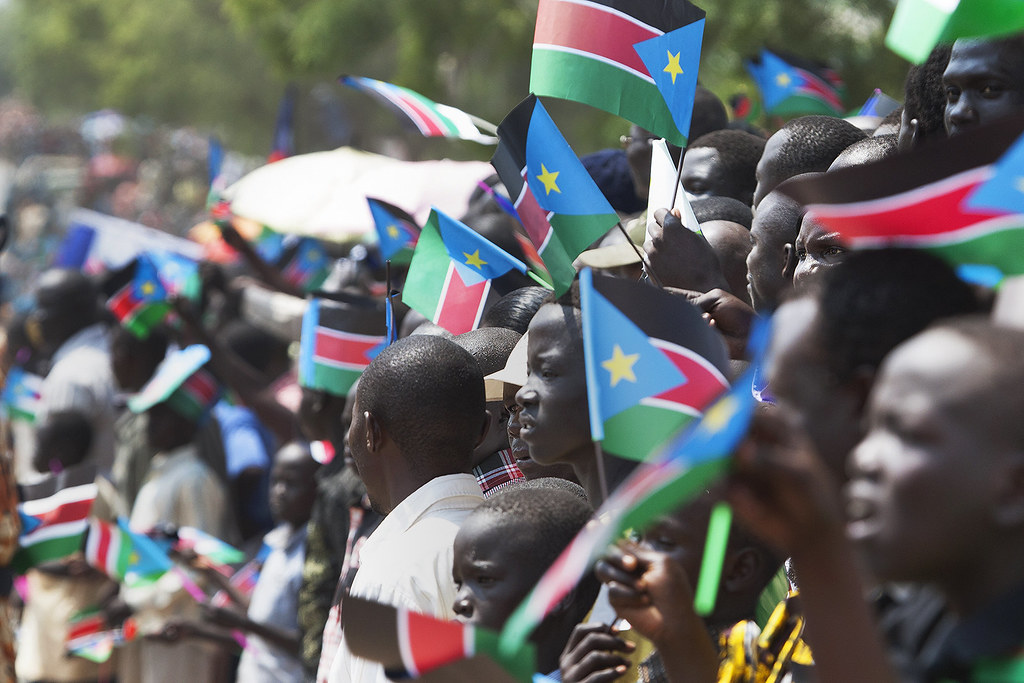
South Sudan is the youngest and newest country in the world. This year, on it’s independence day on 9 July 2011, it celebrates 15 years since its secession from Sudan.
Here is all you need to know about South Sudan:
- 🇸🇸 The world’s youngest and newest country: South Sudan became independent on 9 July 2011, making it the youngest and newest sovereign state in the world. It was a hard-won independence, following a referendum in which 98.83% of voters chose to secede from Sudan.
- The newest member of the United Nations (UN): It became the 193rd member state of the UN on 14 July 2011.
- More than 60 ethnic groups: South Sudan is one of Africa’s most culturally diverse countries, with over 60 ethnic communities, each with its own languages, customs, music, and traditions.
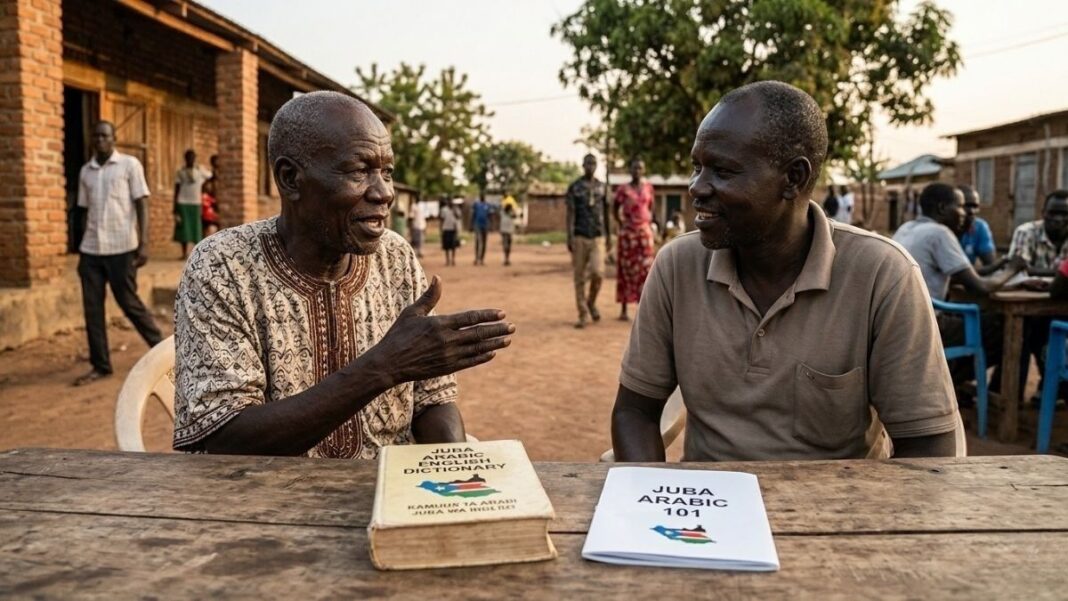
- English is the official language, but dozens of indigenous languages are spoken across the country, including Dinka, Nuer, Bari, Zande, and Shilluk.
- Oil-rich nation: Oil accounts for the vast majority of South Sudan’s export earnings, although the country relies on pipelines through Sudan to reach international markets.
- South Sudan’s capital is Juba, one of East Africa’s fastest-growing cities since independence.
- The blue triangle on the South Sudan flag represents the waters of the Nile, while the yellow star symbolises unity. The black, red, green, and white stripes represent the people, the struggle for freedom, the land, and peace, respectively.
- First-ever elections: South Sudan is scheduled to hold its first-ever national elections since independence on 22 December 2026. The vote has been postponed multiple times since the country became independent in 2011, making this election a major test of whether the country can move from a prolonged transitional government towards a more democratic system.
- Rich biodiversity: South Sudan is home to elephants, lions, giraffes, cheetahs, leopards, hippos, crocodiles, and the endangered African wild dog.
- Boma and Bandingilo National Parks protect vast ecosystems that remain among Africa’s least explored.
- One of the world’s greatest wildlife migrations: South Sudan hosts one of the largest land mammal migrations on Earth, with around 6 million antelopes, including white-eared kob, tiang, and Mongalla gazelle, moving across its grasslands every year.
- Home to the Sudd: The Sudd is one of the world’s largest freshwater wetlands, covering up to 130,000 sq km during the rainy season. It is a vital habitat for birds, fish, and wildlife.
- A birdwatcher’s paradise: More than 400 bird species have been recorded in South Sudan.
- A rising basketball powerhouse: South Sudan’s men’s national team qualified for its first FIBA Basketball World Cup in 2023 and became the first African nation to qualify directly for the 2024 Olympic basketball tournament through the World Cup.
- A global powerhouse in the fashion industry: Nine of the world’s top 50 models originally from South Sudan. Supermodels like Anok Yai, Adut Akech, and Alek Wek are renowned globally, while locally, platforms like South Sudan Fashion Week and agencies such as Jubalicious in Juba scout and train young talent.
- Huge agricultural potential: With fertile land and abundant water, South Sudan has the potential to become a major agricultural producer.
- Some of the tallest people in the world: South Sudan is home to some of the tallest people in the world, with its men averaging nearly 6 feet (182.6 cm) tall and its women averaging about 5 feet 10 inches (178 cm). The Dinka and Nuer ethnic groups are primarily known for this extraordinary height.
- Clothing: South Sudan does not have a single designated national garment due to its rich diversity of over 60 ethnic groups. Instead, traditional attire varies by region, with the Lau/Lawa (a colourful wrap dress for women), the Tondura, and the Jalabiya serving as some of the most prominent traditional wear. Beadwork is a fundamental part of South Sudanese adornment. Tribes like the Dinka are famous for utilising vibrant beads around the waist, neck, and in elaborate corsets to symbolise cultural pride, social status, and regional identity.
- Body scarring or scarification: It is a traditional cultural practice in South Sudan that is deeply intertwined with the social structure and history of different communities, and conveys profound messages of identity, tribal affiliation, adulthood, and beauty. Rather than using textiles or jewellery, multiple ethnic groups permanently etch their skin with geometric shapes, lines, or symbolic motifs.