


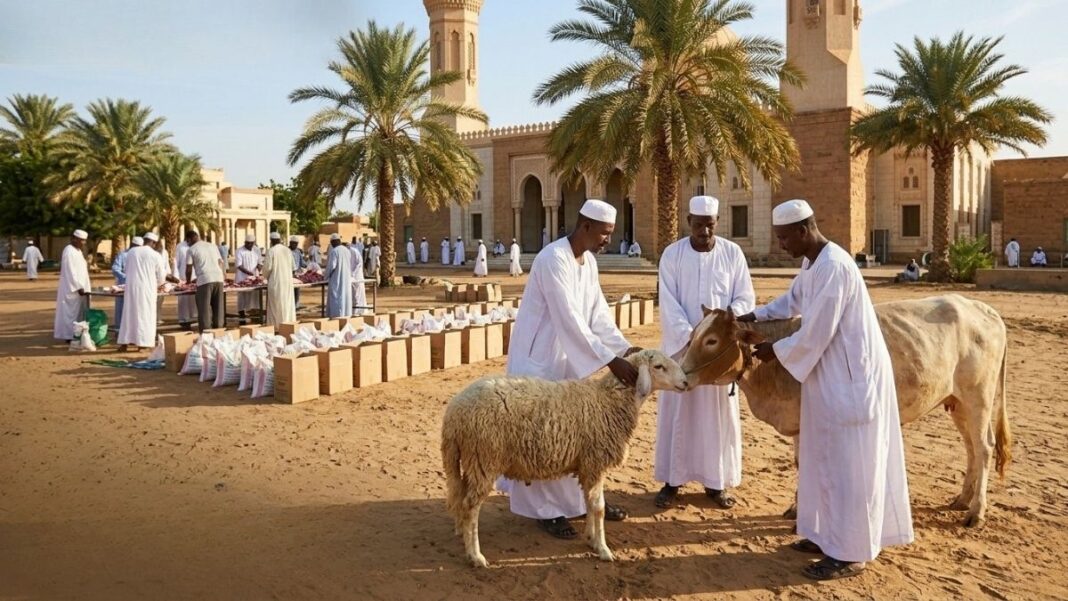
Eid Al Adha, also known as the “Big Eid” or the Festival of Sacrifice, will officially begin on Wednesday, 27 May in both Sudan and South Sudan. While traditional family celebrations typically extend across four days, the formal holiday framework spans three days, concluding on Friday, 29 May.
To accommodate the public, the Secretariat General of the Council of Ministers in Sudan declared a comprehensive holiday for both the public and private sectors. The official break runs from Tuesday, 26 May (the Day of Arafat, 9th of Dhu Al Hijjah 1447) through Saturday, 30 May (13th of Dhu Al Hijjah). Normal public and business operations are scheduled to resume on Sunday, 31 May.
In South Sudan, Eid Al Adha is also expected to begin on Wednesday, 27 May, corresponding to 10 of Dhu Al Hijjah in the Islamic calendar.
Udhiya (Qurbani) sacrificial costs Performing Udhiya (or Qurbani) remains one of the most deeply significant religious practices during this festival. Despite the immense logistical challenges and ongoing conflict, Sudan continues to offer some of the lowest Udhiya prices globally.
According to international relief structures, Sudan is categorised under “Group C” alongside nations like South Sudan, South Africa, Ethiopia, Afghanistan, and the Philippines. Depending on the facilitating charity organization and localized operational difficulties, a sacrificial livestock share ranges between $125 and $280. On the local front, the Sadagaat Charity Organization has priced a single sacrificial share at SDG450,000.
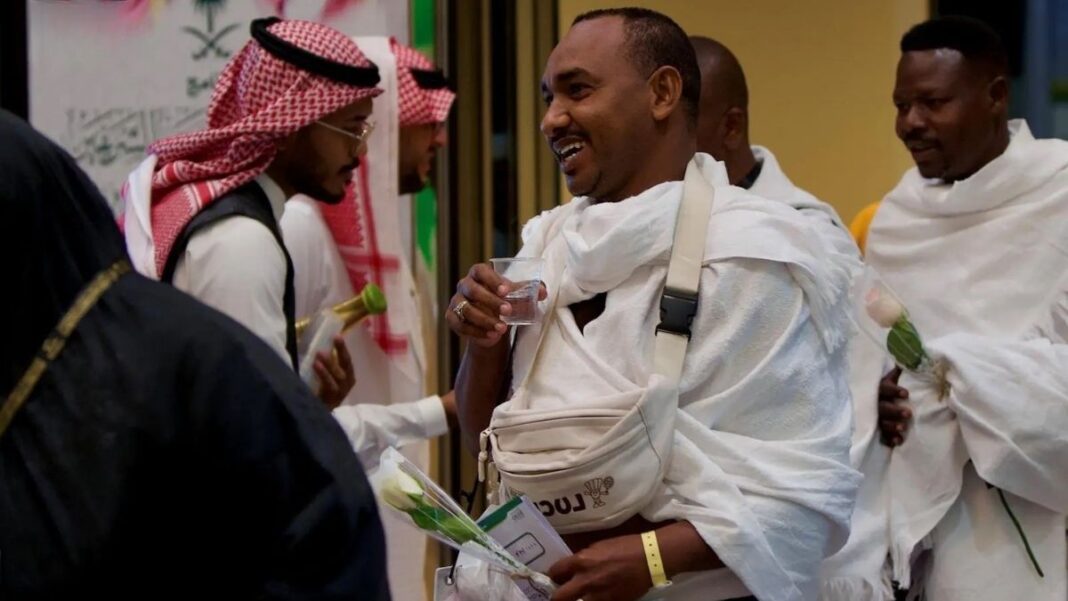
As one of the two primary Eids in Islam, Eid Al-Adha lasts for three days and commemorates Prophet Ibrahim’s (Abraham) unwavering willingness to obey God’s command by sacrificing his son. The holiday directly coincides with the annual Hajj pilgrimage, which this year features over 15,000 Sudanese traveling from Sudan, alongside countless others arriving from across the world.