Some people enter our lives quietly, without announcement, yet they change everything. They do not teach; they bring light. In the expanse of the universe, some lights never fade. They become part of our own, guiding us long after they’re gone.
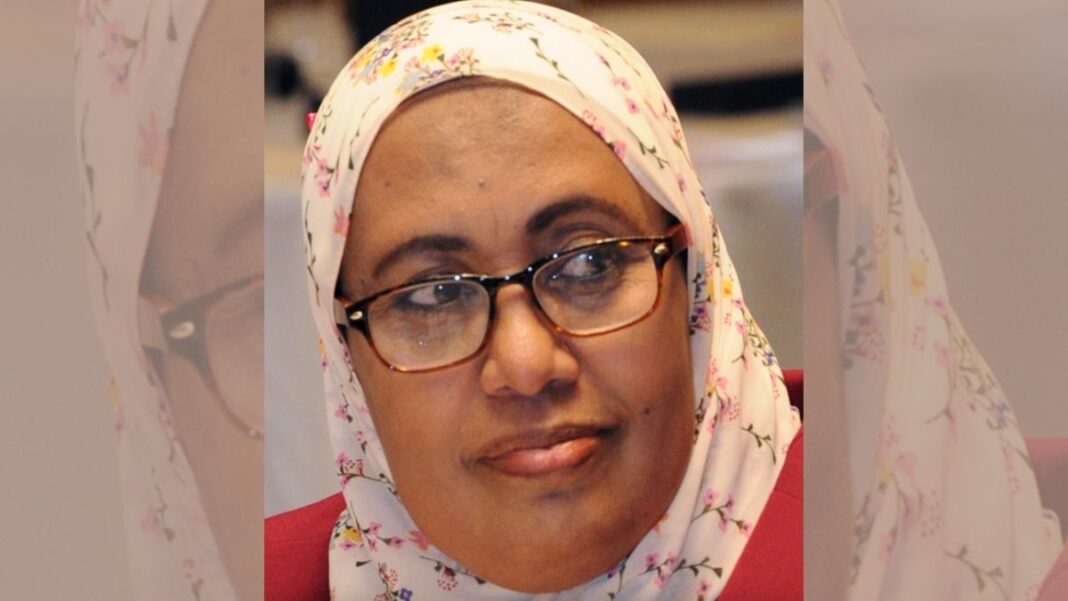
This reflection is a tribute to my beloved colleague, inspirer, and dearest friend, Dr Huda Abdelrahim, a remarkable individual whose work, wisdom, and humanity lit the way for all who had the privilege of knowing her. I lost her on 14 September 2025 at the age of 65.
Her name was Huda, which in Arabic means “guidance to the right path,” and she truly lived up to her name. Her presence enriched my journey in ways that words can scarcely express. She was the cool breeze to her colleagues and family, a source of solace and comfort to anyone around her, with her sweet smile, peaceful face, and warm embrace. To me, she was my confidante, my partner, my safe haven, and the yin to my yang.
Huda’s Early Life
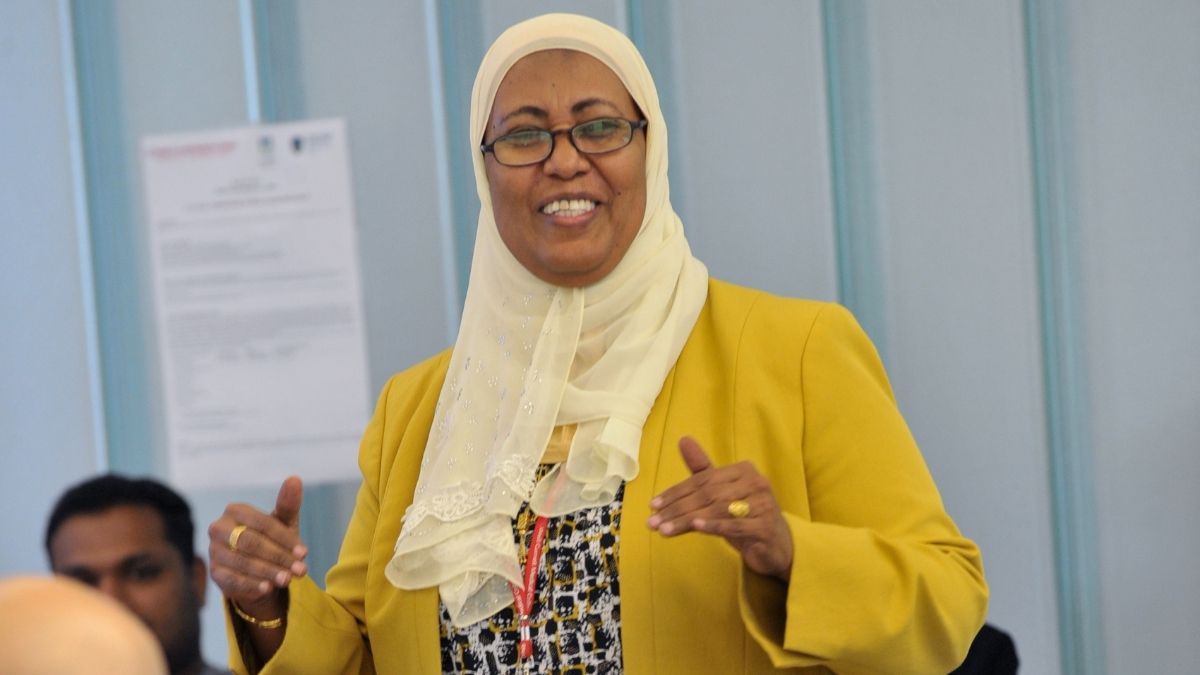
Huda was born in a family in Khartoum, Sudan that valued education and knowledge. Her father, Abuelgasim Abdelrahim, was a senior judge and the deputy chair of the Higher Court in Sudan. He was also a renowned scholar of Islamic and civil law in Sudan and in the Middle East and North Africa (MENA). I recall that whenever we attended meetings at a healthcare institute, we were always received with great reverence and honour by their legal team, who would welcome her as “بنت مولانا” (“Bint Mawlana”) – “the daughter of our respected teacher and honourable judge.”
Huda and her siblings were brought up attending and listening to their father’s intellectual discussions with his peers, students, and mentees. Their home was a cultural gathering salon for scholars, senior judges, and students. Judge Abdelrahim greatly influenced his children with his rich discussions and intellectual debates. He was also seconded to various Arab countries to assist in building their legal systems. Travelling and being exposed to different cultures from an early age were significant factors in shaping Huda, and her father’s influence was reflected in her interest in reading, her intellect, and her sophisticated discussions.
In addition to his legal and scholarly expertise, Judge Abdelrahim was an open-minded and progressive thinker, grounded in a solid ethical foundation. He insisted on the education of all his children, regardless of whether they were girls or boys, which was not always the case at that time. In early 1980s, Huda was sent to complete her undergraduate education in Egypt, where she studied agricultural Engineering at Cairo University, long considered one of the top prominent universities in the region.
Our Meeting and Connection
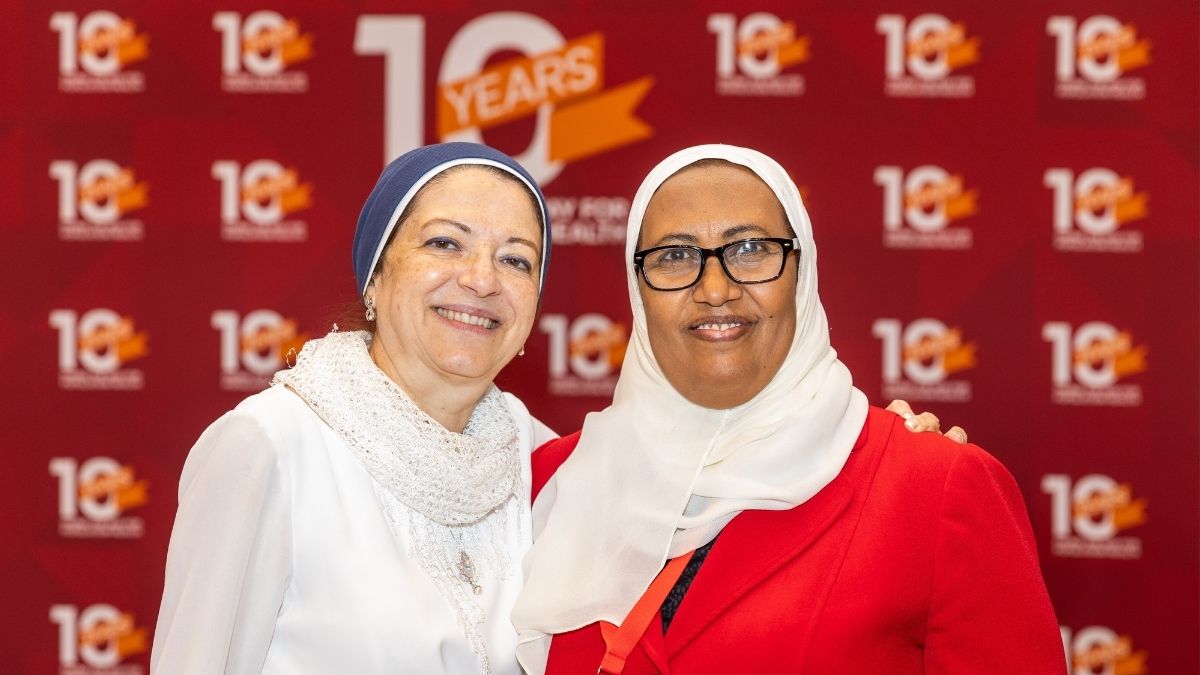
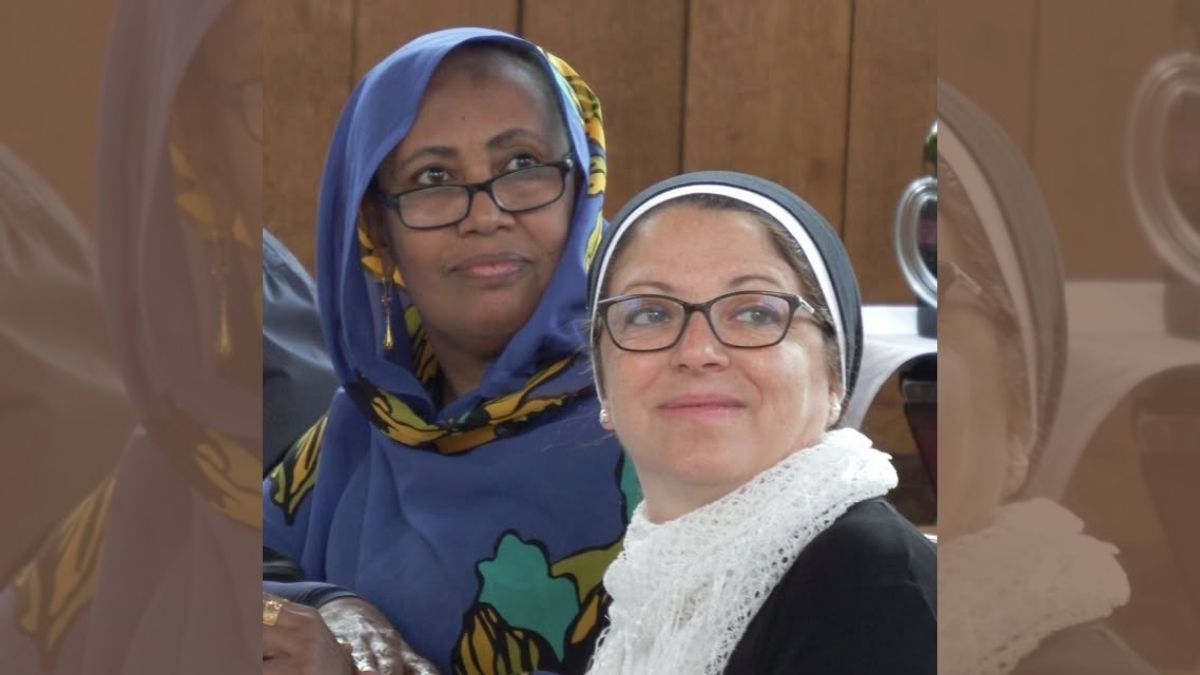
My connection to Huda felt destined long before we actually met. We were like two chess pieces moving along parallel paths: We attended the same university at the same time. We both got married and travelled to Qatar the same year. We each had two daughters with remarkably similar personalities. We both immigrated to the West and returned to Qatar simultaneously. Huda joined Hamad Medical Corporation (HMC), and I joined Weill Cornell Medicine-Qatar (WCM-Q). Finally, in 2007, the chess pieces converged. We met at WCM-Q when Huda joined the medical interpreters training programme. From that moment, our journey as “Huda and Maha or Maha and Huda” began.
Huda approached everything in life with passion, benevolence, and authenticity. She never sought recognition or material reward; she simply loved what she did and spread that joy to others. She lived a life of purpose and meaning, a life devoted to serving others and, above all, to God. We both shared a common vision and value – equity. Equity in education and equitable access to healthcare, regardless of cultural background. Together, Huda and I developed and launched three major training programmes in WCM-Q, which are the first of their kind in the region:
- Bridging the Gap for Medical Interpreters training is a programme offered to bilingual individuals who become trained in the skills and ethics of medical interpretation. The purpose is to develop a pool of medical interpreters who can help their communities access the care they need, and to enable our students to navigate Qatar’s culturally diverse patient communities with ease, providing them with equal learning opportunities. Huda often remarked that interpreters are more than language bridges; they are conduits of trust and compassion that link patients with their providers.
- The Cultural Competence in Healthcare training was developed to teach healthcare providers to value cultural diversity and to ensure that every patient is treated equitably, with respect, without bias or stereotypes, regardless of their cultural background. Huda often described culture as the operating software inside every person. Healthcare providers who overlook the impact of cultural and social factors on their patients will make incorrect assumptions about patient needs and values, which could compromise the quality of healthcare and erode patient-provider trust.
- The Emotional Intelligence training. After 10 years of running the cultural competence training, we came to understand from participants’ feedback and our research studies that training skills alone are insufficient unless individuals delve deeper into their self-awareness and that of others. They need to employ this knowledge to manage their feelings, values, behaviours, and perspectives in a way that enables them to build healthy relationships. Huda saw emotional intelligence as the human core that unites knowledge with awareness and humility.
Each of these programmes reached hundreds of professionals and has a lasting impact on Qatar’s healthcare and education sectors.
On the research side, in 2008, we participated in a $1 million research grant to evaluate healthcare quality from the patient’s perspective. Huda was integral to every stage: from the literature review, to conducting participant interviews to co-authoring a key paper on language discordance in healthcare.
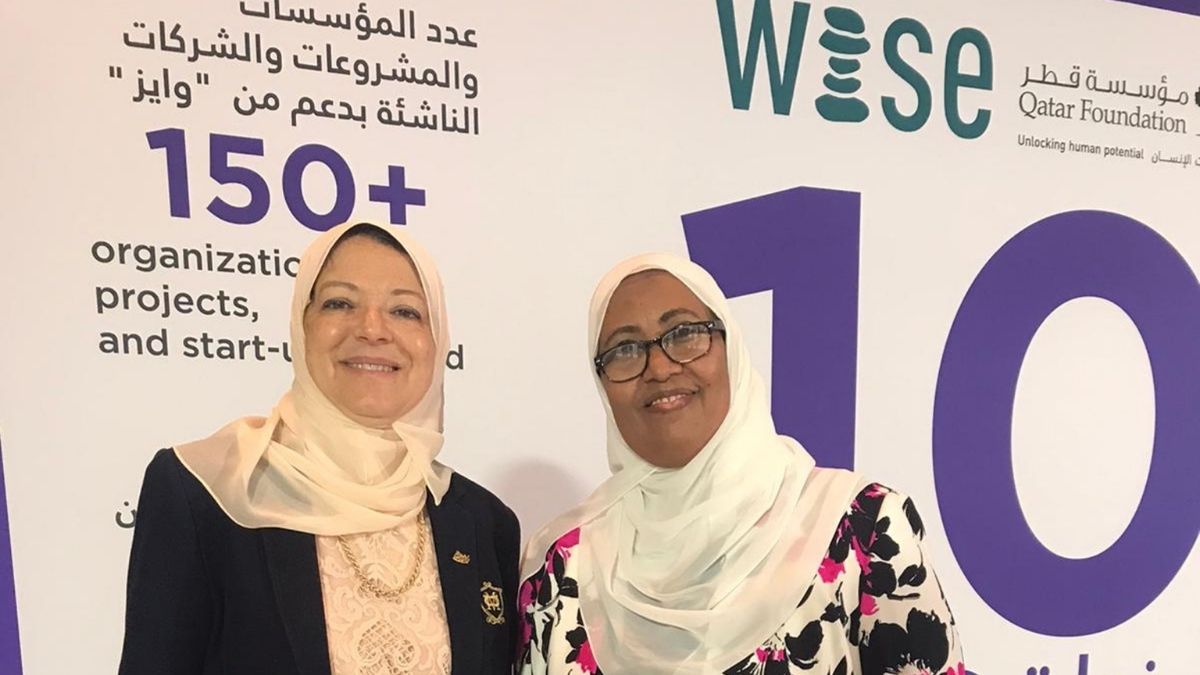
Fast forward to 2018, and we set out on another journey together, earning our PhDs to lead our own research studies. Huda was persistent and dedicated throughout, and was due to graduate this spring; our very own Dr Huda Abdelrahim.
Beyond her professional brilliance and remarkably cultured background, Huda was a lover of poetry and a graceful reciter of classical Arabic poems and the Quran. She possessed a beautiful singing voice, a sharp wit, and a playful sense of humor. In stressful moments, she exuded serenity, often calming us with a line of poetry. During our travel, she was always adventurous, eager to try new foods, places, and experiences, always with curiosity and a smile.
Her Last Advice
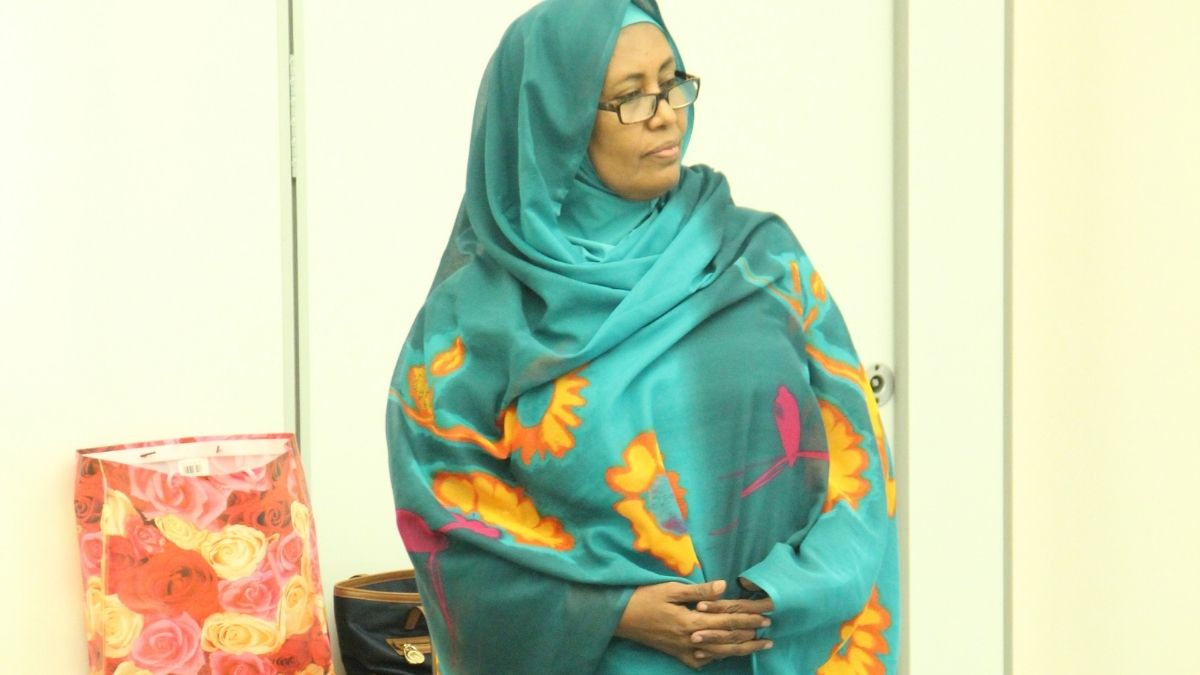
On her last day at work, we stood at the door of HMC for an hour, discussing our plans for the new academic year. She could barely stand or even talk, but she insisted on continuing the discussion. She gathered all her energy to give me her final advice and request. She reminded me never to give up on any of our programmes and to continue what she had always called for, documenting our work. “Huda, I will, in shaa Allah”.
As I mentioned earlier, Huda means guidance, and that is what she embodied: guidance, comfort, and light. Over the past few months, countless people from around the world have reached out to tell me how deeply she touched their lives. Though her passing has left an enormous void in my heart, I know her wisdom, kindness, and humility will continue to guide us along the right path, just as her name promised.
Huda, you are deeply missed. You have left a lasting imprint on me and on the lives of everyone who knew you. May your beautiful soul rest in eternal peace.
“Inna lillahi wa inna ilayhi rajiʿun” (To God we belong, and to Him we return)
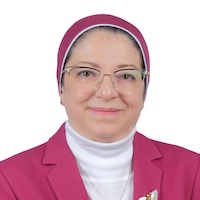
Dr Maha Elnashar is the Director of the Center for Cultural Competence in Healthcare at Weill Cornell Medicine-Qatar (WCM-Q). Dr Maha has a Ph.D. in Human Development. Her research explores the correlation between social-emotional learning and academic achievement. She has over 20 years of experience training healthcare and educational professionals on cultural competency, emotional intelligence, and medical interpreter skills. Her scholarly contributions, published in esteemed peer-reviewed journals, delve into the impact of intercultural communication on healthcare.