


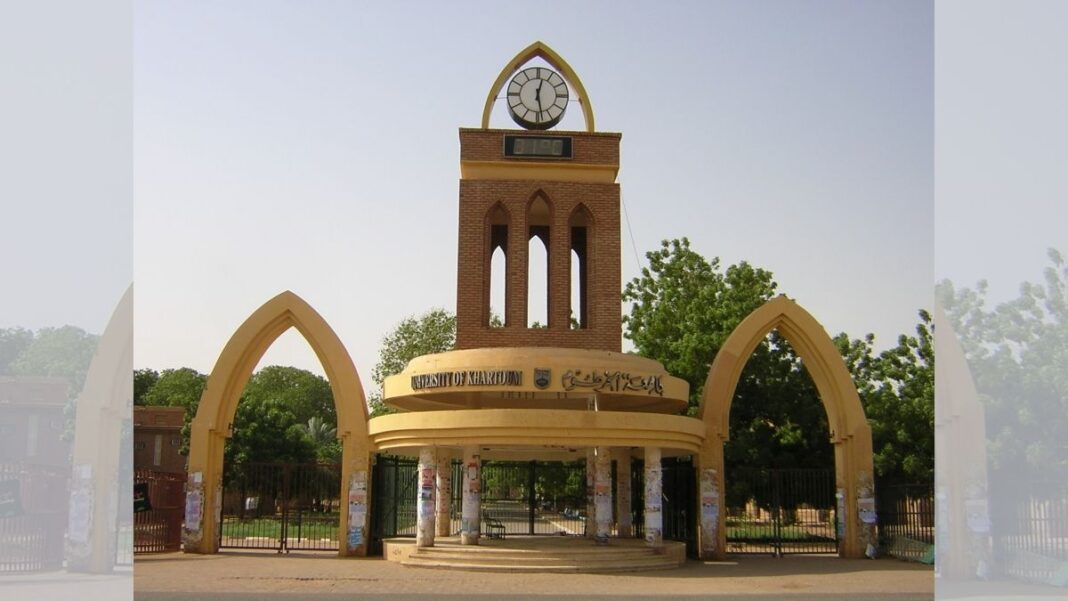
The ongoing war in Sudan, which hit the three year mark in April, has caused catastrophic damage to all of the country’s sectors, particularly in education. The academic year was brought to a halt in 2023, and ever since over 13 million school-aged children are out of school. Schools turned to refugee centres to house nearly 9 million internally displaced people. University students were not left unscathed, with some universities pausing the ongoing semesters and physical attendance.
Now, with the capital city, Khartoum, showing signs of resurgence, after it was liberated by the Sudanese Armed Forces (SAF) in early 2025, many of those who left Khartoum have returned, seeking to rebuild their lives and continue their education after their lives were disrupted due to three long years of war.
Since the war broke out in April 2023, students at the University of Khartoum (UofK) were forced to flee study halls and seek refuge either internally or externally. For the past four semesters, training and examination centres were established in different cities across Sudan and in the capital cities of Egypt, Saudi Arabia and the United Arab Emirates (UAE), and studies were carried out mostly online.
Now, three years later, the university administration has announced it will shut down all centres outside the campus’ buildings in Khartoum, including lecture halls, and training and examination centres, while also rebuking online education. The abrupt decision was announced via a Facebook post on 12 April 2026. The university’s administration issued a press release stating the closure of examination and training centres outside Sudan and Khartoum as a result of meetings between the council of deans on 24 February and 5 April, with the premise of stabilisation of the educational process. The post garnered attention and concern with parents expressing their disapproval. Some commented, “You put us in a difficult situation, forcing us to choose between our children. Who would study and who wouldn’t?” Others called the resolution “an important step in the road to destroy what is left of the University of Khartoum.”
On the other hand, the Council of Student Unions at the UofK issued a statement on 1 April to the principal of the university regarding the conundrum, urging the administration to consider the students’ needs to reconcile their situation by keeping the internal and external centres outside the capital open, stating that any direction to reduce the number of external centres will be forcing the students to confront a considerable amount of logistical obstacles that exceed their capabilities. The statement also questioned whether the university’s dorms could withstand the huge number of returning students.
This was shortly followed by the Council of Student Unions issuing another statement on 16 April, expressing disapproval towards the administrations’ decisions, calling the decision “disappointing and ignorant of the complex realities that face the students in exiles and states.” The council stated that their previous statement was dismissed and ignored by the administration. A group of four main demands were stated: keeping the external centres working temporarily, guaranteeing the readiness of students’ dorms, providing a period for the students to reconcile their situation, and continuing the hybrid learning system.
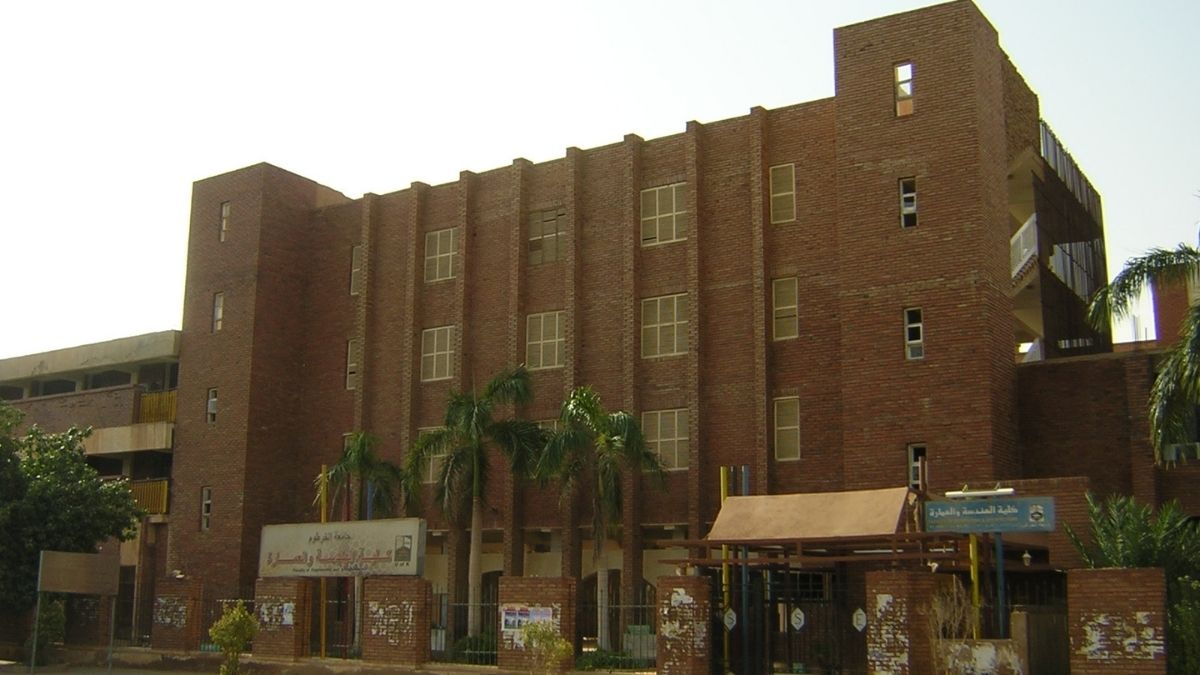
A survey conducted by The Thirtieth Council at the Steering Engineering Association at the Faculty of Engineering at the UofK, revealed that 86% of the students believed such a decision needs to be reevaluated, with 58% being negatively influenced by it. According to Lama Mahjoub, a member of the council, “such a step will surely contribute to the exclusion and academic disturbance to those who cannot arrange their situation accordingly.”
Returning home, while a dream for many of the students, does not come free of cost. The same survey found out that over a third of the students will find great difficulty in managing funds for travelling, while a quarter of the students are unable to travel due to financial reasons.
Cultural secretariat and member of council, Rayan Al Sheikh, spoke with The Sudanist clarifying that some faculties, such as the Faculty of Medicine, are still unqualified to accommodate the examinations of the students. “We are not against returning to our campuses, and are aware that the optimum educational process requires physical attendance, we are only asking that such a step considers the conditions of the students who mostly reside outside the capital,” said Al Sheikh. “Another problem is that, since most housing units have been affected by war, a huge number of students will be without accommodation. 74% of the students are in need of residence according to our surveys. Are the dorms ready to receive these students?”
On whether further escalation will be pursued, Al Sheikh said that this is depending on the body of students. “We attempted to contact the principal of the university to discuss the issue at hand through the deans of the faculties but were met with ignorance,” said Al Sheikh. “A lot of the students, however, stated that they will be faced with no choice but to freeze the semester in hope that they might be able to return when their conditions allow.”
Bigger questions arise from this sudden approach by the UofK’s administration. Are the students being used as political pawns to fulfil the governmental plans to reinstate the population? And with the Sudanese Certificate Examinations going on, how would parents manage between the needs of their kins at the university and their siblings who already started the examination process outside of Khartoum, with some faculties starting examinations as soon as April? Will such a decision lead to stabilisation of the educational process as promised, or cause further confusion to an already war-stricken population of students?
As he ventures into this brave new world ahead of him, 2005-born Muathal Hisham tries to reflect on the experiences he encounters through poetry and prose. An aspiring bilingual essayist who aims to reinvent the way literature, art and music are interpreted, Muathal provides a thrilling dive into regional and international cultures, with the hope it might inspire positive change in his community. When he is not writing, Muathal is often busy video editing or studying for medical school at Ain Shams University. Find him @muathall on Instagram or visit his blog on Medium at @Muathal.