


Sudanese music today is richer than ever, with numerous genres, both old and new, catering to different generations and tastes. Some genres have also given rise to subgenres that combine local traditions with sounds and influences from around the world.
Rooted in ancient Nubian traditions and shaped by Arabic and East African influences, Sudanese music has developed a distinct and soulful sound. Its diverse musical landscape features instruments such as the oud, daluka, tambour or kissar, nuggara and waza, each associated with different musical traditions and communities.
Many traditional Sudanese styles use pentatonic scales, while complex, layered percussion patterns drive rhythms such as the famous Tumtum. Across genres, songs often explore themes of love, longing, patriotism, identity and the Nile, while reflecting Sudan’s diverse cultural heritage.
From traditional forms passed down through generations to contemporary genres influenced by global sounds, Sudanese music continues to evolve while retaining strong connections to its roots.
Al Aghani Al Haditha (Modern Songs)
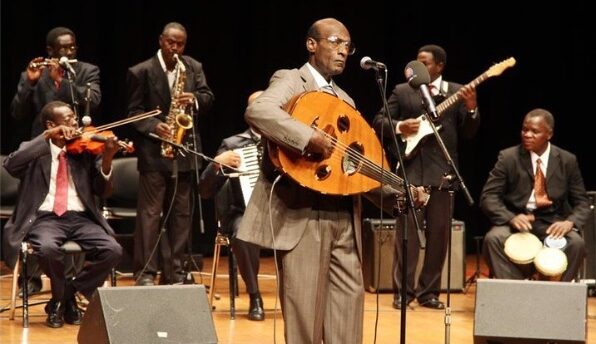
t is a highly respected genre of music that developed after Sudan’s independence in 1956, incorporating the Arabic oud, violins and accordions, and later electric guitars and keyboards.
It is traditionally enjoyed more as listening music than as party music. The genre has produced some of Sudan’s most celebrated artists, including the late Mohamed El Amin, Mohamed Wardi, Abdelkarim Al Kabli, Ibrahim Awad and Mahmoud Abdelaziz, as well as groups such as Al Balabil.
Mainstream Music
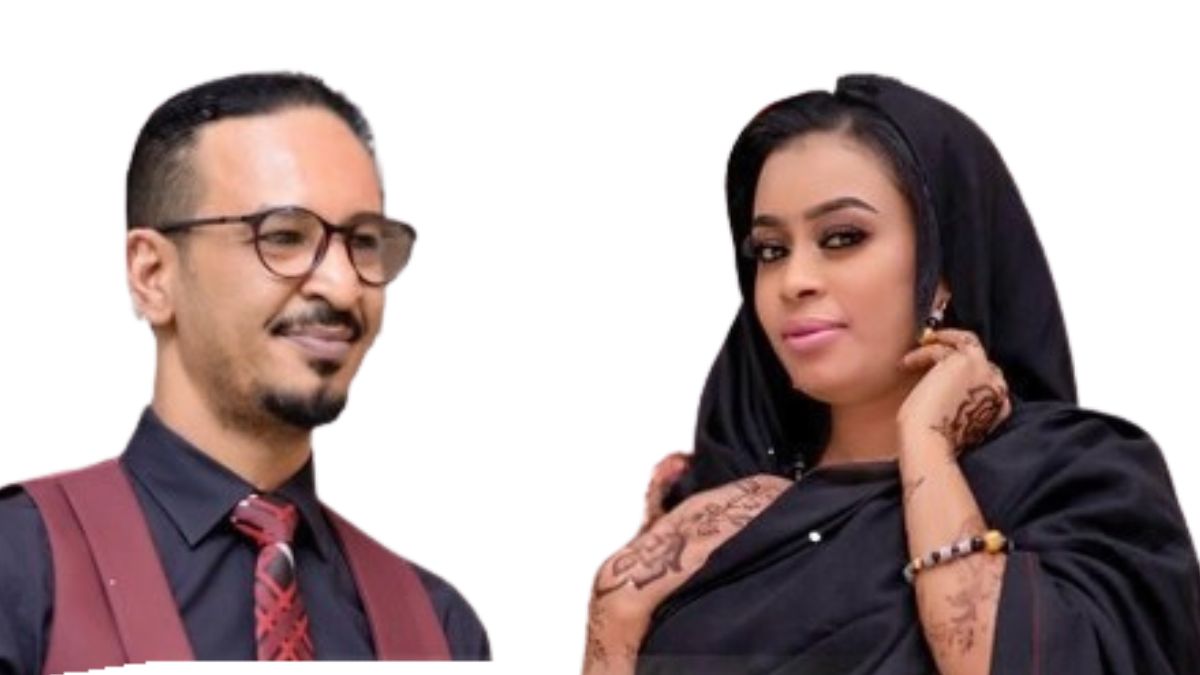
Sudan’s mainstream music scene encompasses a range of genres, from Sudanese folk styles such as Aghani Banat to contemporary pop, urban music, rap and hip-hop. It features a vibrant mix of traditional folk influences and contemporary sounds, with music increasingly distributed through digital streaming platforms and social media channels.
Popular artists include Taha Suliman, Eman El Shareef, Huda Arabi, Ali El Sheikh and Ensaf Medani, with some mainstream singers also collaborating with rappers such as Soulja and Esam Satti.
Mainstream Sudanese music is commonly played at weddings, parties and other social occasions, performed by popular singers and musicians.
Traditional Folk Music
Traditional Sudanese folk music is a rich blend of ancient Nubian, African and Arabic cultural influences, characterised by pentatonic scales, complex rhythms, hand clapping and call-and-response vocal patterns. These elements connect many Sudanese folk traditions to musical traditions across East and Sub-Saharan Africa.
Songs often use metaphors to tell stories of tribal history, express longing, celebrate weddings and other occasions, or praise the beauty of the landscape. Traditional Sudanese folk music encompasses a variety of genres and styles, including daluka music, Aghani Banat and Haqeeba music.
Haqeeba Music
Haqeeba, also known as Haqeebat Al-Fann or ‘Suitcase of Art’, is a traditional Sudanese vocal and percussive music genre that emerged in Omdurman and Khartoum in the 1920s and 1930s. It remains one of the most respected and popular forms of Sudanese music.
The Arabic word haqeeba means ‘suitcase’ or ‘bag’. One account attributes the name to a 1940s Radio Omdurman programme hosted by Ahmed Mohamed Saleh, who played old 78-rpm records that he carried in a briefcase. Another explanation is that poets kept their poems in a suitcase, while a further interpretation links haqeeba to the idea of documenting a particular era.
Haqeeba began primarily as vocal music, featuring a lead singer and a chorus in a call-and-response arrangement, accompanied by the steady rhythm of the tar, a tambourine-like frame drum. Unlike later Sudanese musical styles, it did not originally rely on orchestral instrumentation.
Its lyrics often draw on classical Arabic (Fus’ha) poetry, with themes including love, longing, nostalgia and national identity. Early pioneers such as Abdel Karim Karouma helped popularise the genre, which remained particularly prominent until the 1950s.
Although its original form was largely vocal and percussive, Haqeeba continues to have a strong following in Sudan today and is performed both in its traditional style and with orchestras and contemporary musical ensembles.
Beja Music
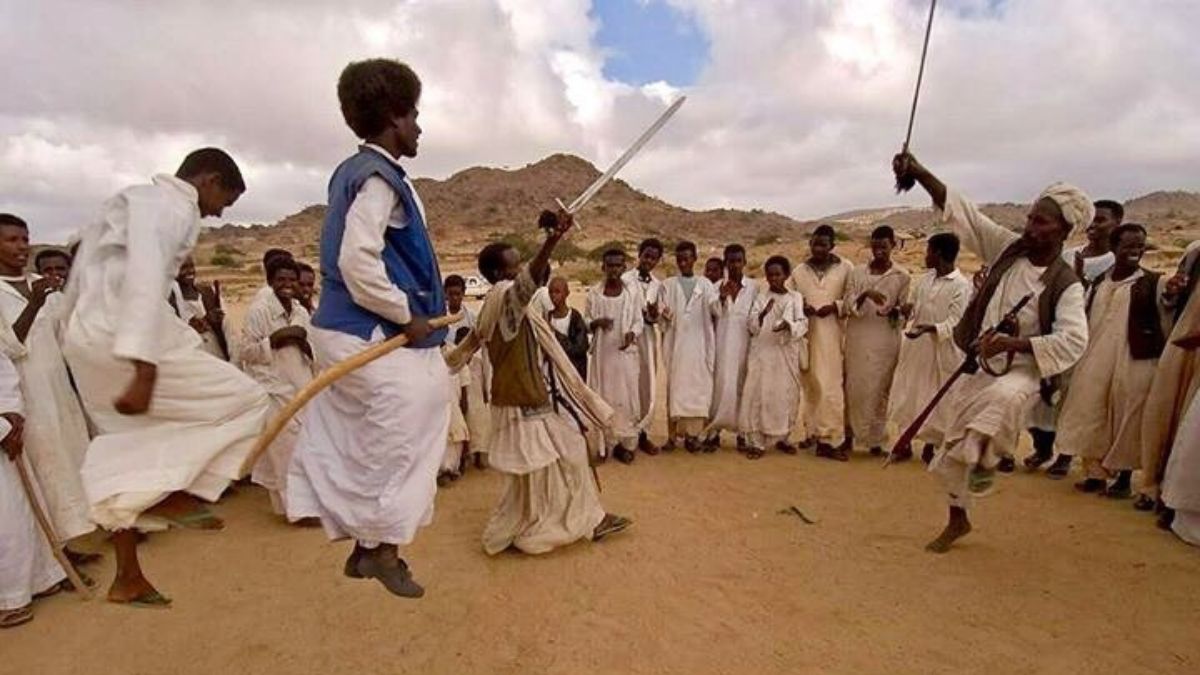
Beja music is the traditional and evolving sound of the Beja people or tribe of the Red Sea Hills and Kassala regions in eastern Sudan. The music originates from centuries of pastoral nomadic traditions in Northeastern Sudan. It features the traditional kissar or tanbūra (a stringed lyre), frame drums, and handclapping. Modern interpretations also incorporate electric guitar hybrids, brass, and saxophone. Songs are sung in the Bedawiyet language, using solo or call-and-response patterns. Rhythms shift between lively duple feels and swaying compound meters meant for social dancing, weddings, and community celebrations. Lyrics focus on nomadic life, courtship, praise, and community survival.
Associated with Beja music is the popular Handandawa dance from eastern Sudan features a high-energy, rhythmic performance often tied to regional folk music, widely known as the Hadandawa neck dance or Ragaba. The dance and its accompanying music originate from the nomadic, pastoralist Hadandawa clan of the Beja tribe. The performance is of warrior heritage, evolving from traditional sword-dueling and martial movements. Dancers balance heavy swords or carry sticks while synchronising their movements with tribal percussion and vocal chants.
This musics has also inspired international Sudanese bands such as Noori & His Dorpa Band with his award-winning album, Beja Power! Electric Soul & Brass from Sudan’s Red Sea Coast, which introduced the hypnotic, genre-defying sound to global audiences, as well as The Otaak Band, Setona, and Ahmed Said.
Daluka Music and Aghani Banat (Women’s Songs)
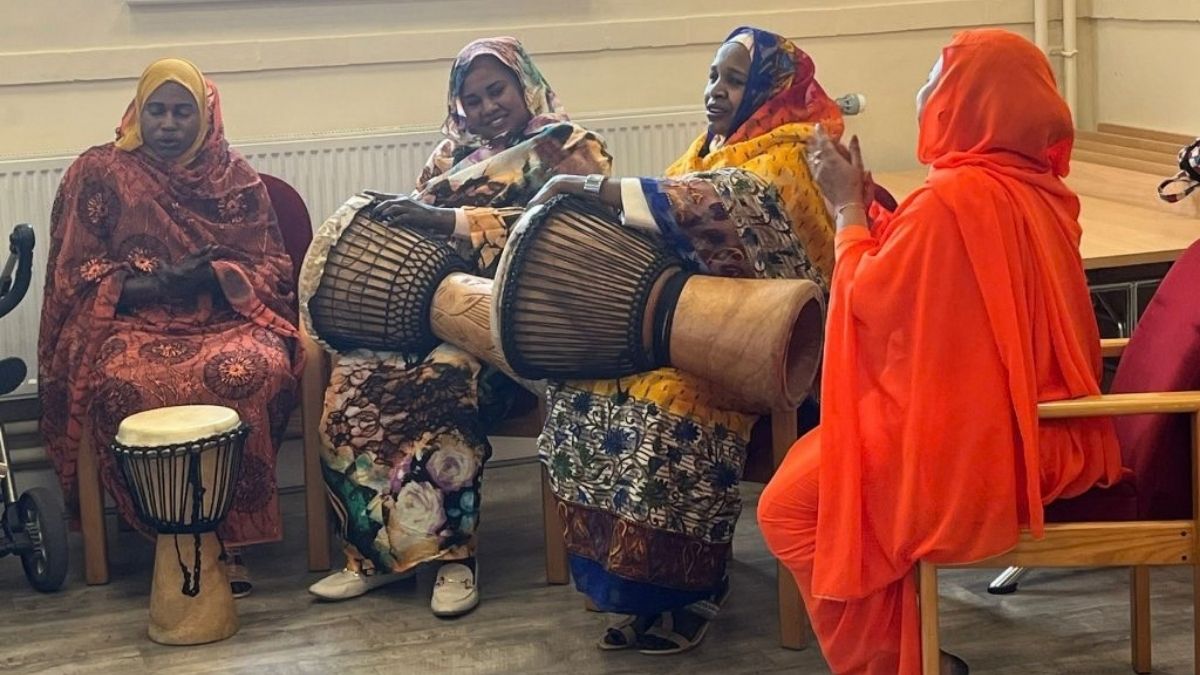
Daluka music is a traditional Sudanese genre centred on the daluka, a goblet-shaped hand drum made from clay and covered with goat skin. The daluka is placed sideways on the player’s lap and tuned by warming it near a small fire to tighten the leather skin.
Daluka music is commonly associated with and heavily tied to Aghani Banat (Girls’ and Women’s Songs), where women traditionally perform the vocals, handclaps, and percussion at weddings, naming ceremonies, and community celebrations.
Beyond weddings, daluka rhythms and poetry have historically been used to express social commentary, love, and communal solidarity across generations in Sudan.
Both daluka and Aghani Banat music feature infectious, polyrhythmic percussion loops (such as the classic tumtum beat) paired with call-and-response choral singing and joyful ululations (zaghrouta).
The queen of daluka music is the late Asha Al Falatiya, considered the first lady of song, followed by the late Hawa Al Tagtaga. Dominating Aghani Banat are singers such as Ensaf Medani, Eman El Shareef, and Gisma.
Shaigiya Music
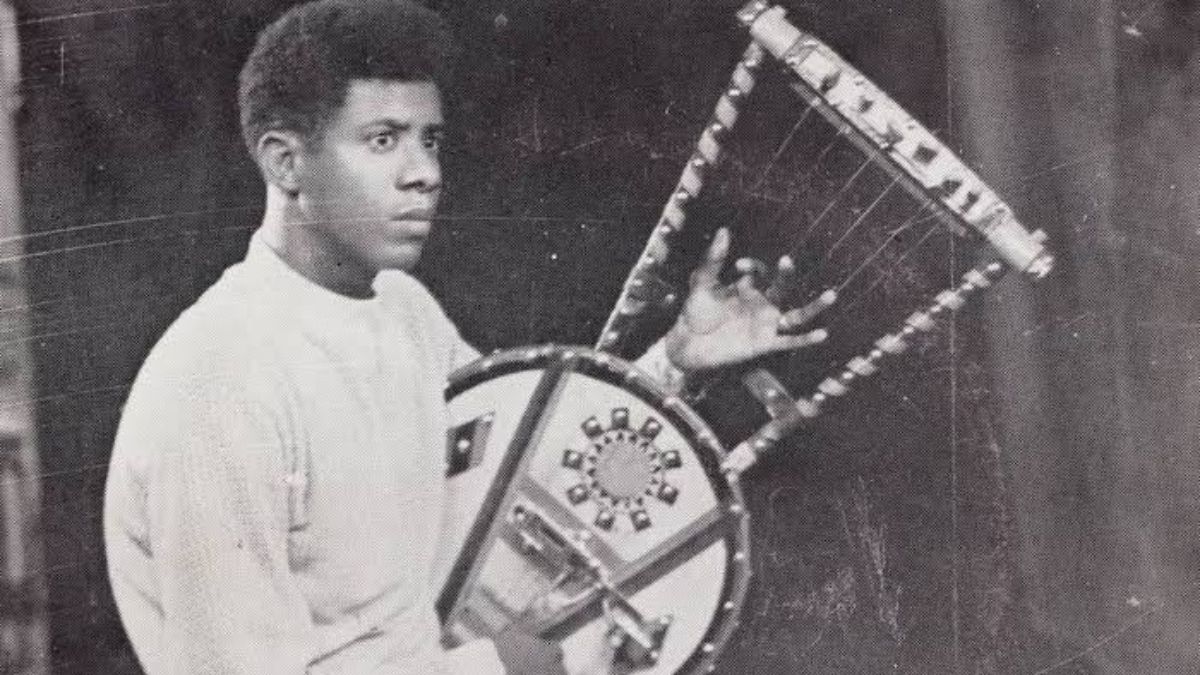
Shaigiya music is a distinct genre from the Shaigiya tribe of northern Sudan, centred around the tambour, also known as a tanbura, kissar, or rababa, a traditional five-string bowl lyre deeply rooted in the cultural heritage of northern Sudan and Nubia. Musicians use an electrified, modified version of the traditional five-string lyre to create a hypnotic, driving sound. Songs feature intricate Nubian and Arab rhythms paired with call-and-response chorus vocals and two drummers.
Abu Obaida Hassan is the most famous figure of the genre, known for modernising and popularising the style across 1970s and 1980s Sudan.
There is much more that falls under the genre of traditional folk music, but these are the subgenres that dominate the music scene.
Zanig Music
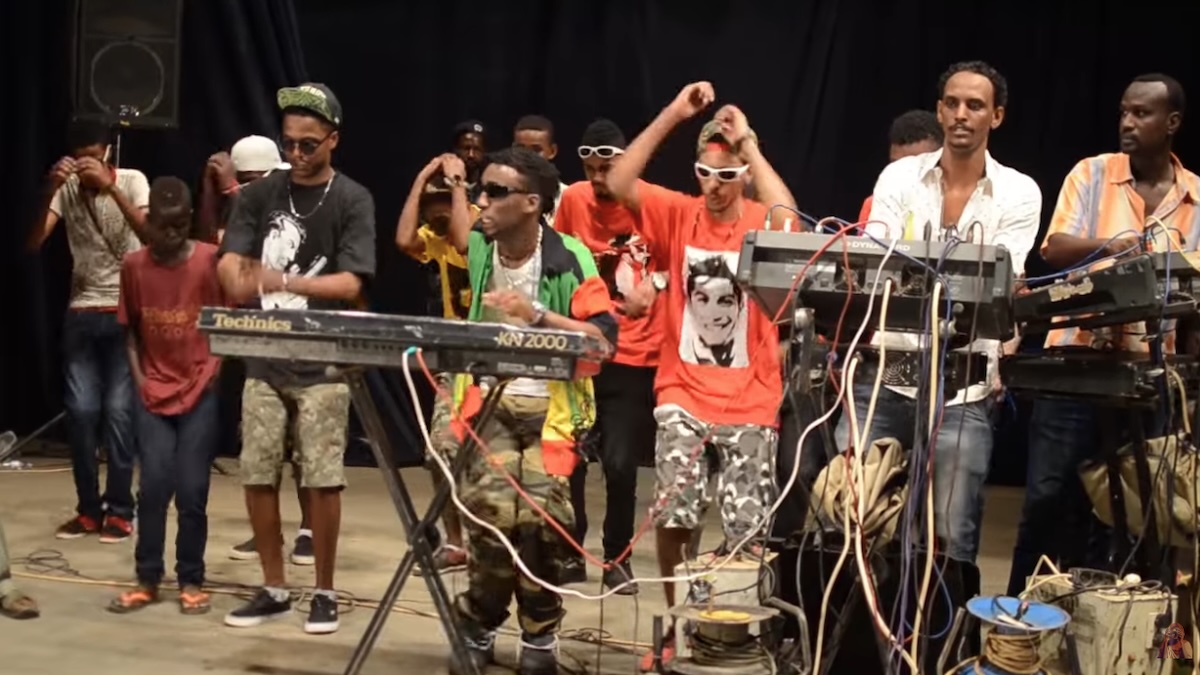
A popular, energetic modern, underground, and synth-driven dance music genre that originated in the suburbs and greater area of Khartoum, Sudan, in the early 2000s.
Unlike traditional Sudanese music that centres heavily on poetic lyrics, Zanig is defined by fast-paced, loop-based, and minimalistic digital percussion. It relies heavily on pre-recorded electronic beats and synthesiser presets from keyboards — most notably Korg, Yamaha, and Technics models (like the Casio or Technics 2000) — often layered with improvised melodies, saxophones, or traditional percussive elements.
It grew as an underground youth movement in the 2000s, serving as a form of joyful, counter-cultural expression during periods of strict government censorship and conservative social restrictions. It later evolved into a full subculture encompassing unique street fashion (prominently featuring sunglasses) and energetic, synchronised group dancing that draws on deep African rhythms. Over the decades, it shifted from the margins to mainstream youth culture, inspiring female-led star performances including Asha Al Jabal and Marwa Al Duawliyah, regional fusions, and modern adaptations like zanig trap.
It is heavily influenced by traditional zar spiritual music, often featuring strong vocals by women artists, full bands, and rap elements.
Its a genre much-loved by the youth and performed by youth. Well-known zanig musicians include Ayman Al Rubu’, Omar Nejery (Nigiri), Mustafa Jabra, Zaery, and Mohammed (Hamoody) Wd Eljack, who is now pursuing a solo music career away from the zanig scene.
Sudanese Pop and Fusion
Sudanese Rap and Hip-Hop
The Sudanese rap and hip-hop scene is richer than it has ever been with countless artists, established and upcoming, male and female. Who dominates the rap and hip-hop scene is undetermined but leading it are rappers such as Hleem Tag Alsir, Soulja, AwabTheRapper, Connan, Essam Satti, DAFENCII, and Kordofani.
Sudanese Reggae
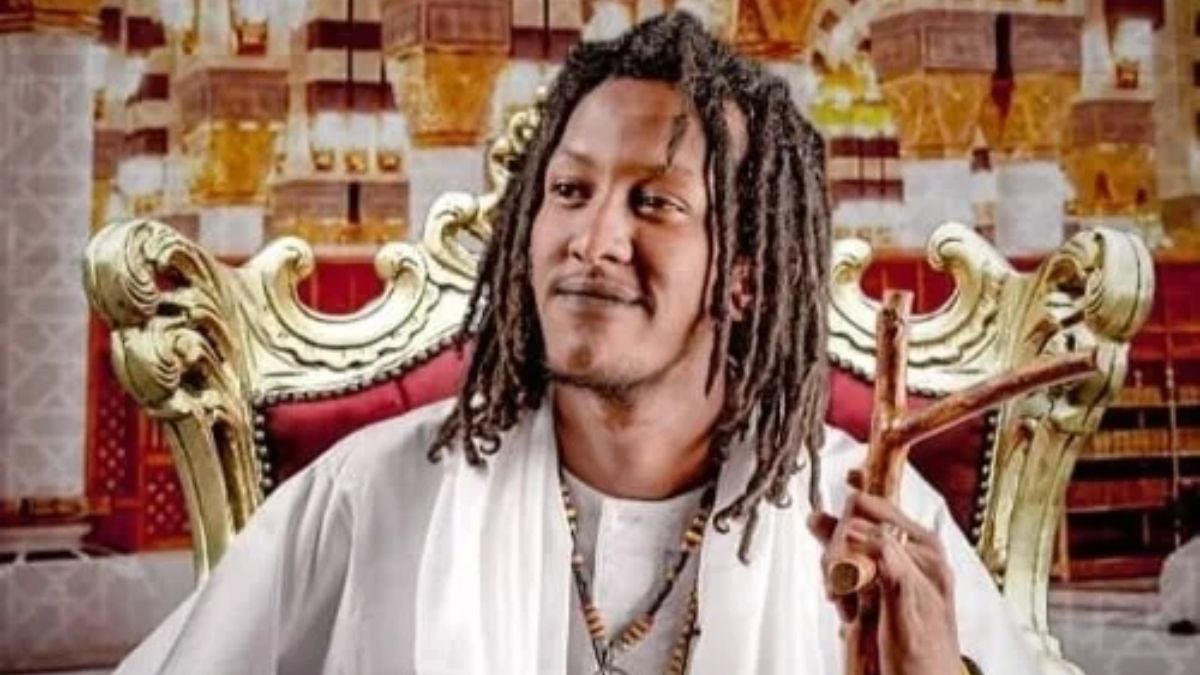
Sudanese reggae is a genre of conscious music that blends traditional Caribbean reggae rhythms with Sudanese cultural themes, political resistance, and Sufi spiritual vibes.
Sudanese reggae functions as a vehicle for social justice, unity, and peace. Many artists blend the off-beat rhythms of roots reggae with Arabic lyrics, traditional instrumentation, and messages reflecting the resilience of the Sudanese people through times of political upheaval.
Leading Sudanese reggae are Ayman Mao, Wd Alzain, Mo Ali, King Kashta, Ras Korby and Salah Brown, and bands such as Sudan Roots and Islamic Roots.
Sudanese Afrobeats

Artists blend West African Afrobeats with traditional East African and Nubian sounds, utilising local percussion, lyrics and vocal styles.
The popular genre is rapidly growing led by artists such as SeidoSimba and MazMars of the duo band MarSimba and MaMan infuse melodic Afrobeats with traditional Sudanese culture.
Sudanese Jazz
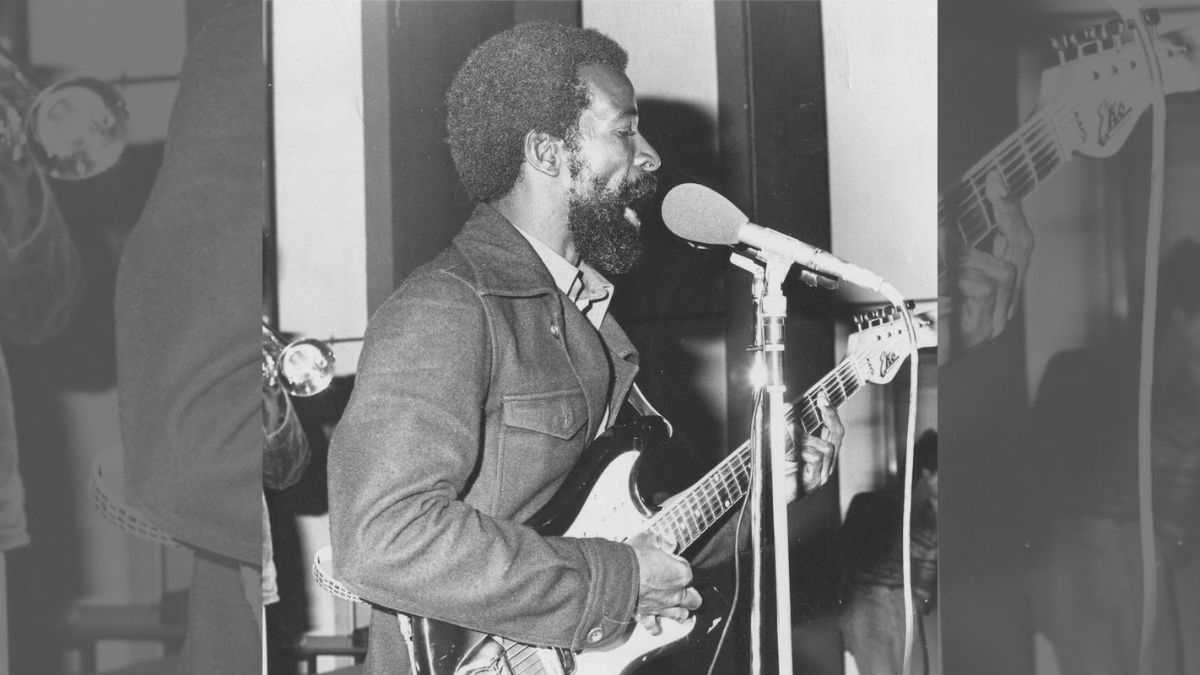
Sudanese jazz is a unique regional style and fusion born in the 1920s and 1940s, mixing the vocal and rhythmic structure of Sudanese music with Western jazz, blues, funk, and rock. It mixes traditional vocal forms like with Western instruments and Sudanese and African influences rather than traditional American swing jazz.
Sharhabil Ahmed is the most famous figure in the genre known as the “King of Sudanese Jazz,” blending traditional Sudanese rhythms with rock, funk, and brass instruments. Also known in the genre is Kamal Keila, Saif Abu Bakr, and most recently, Asya Satti.