“Sudan is one of our puzzle pieces. We won’t feel complete without it.”
That’s how Layla*, a 26-year-old displaced Sudanese architect, described her love and connection to her home country.
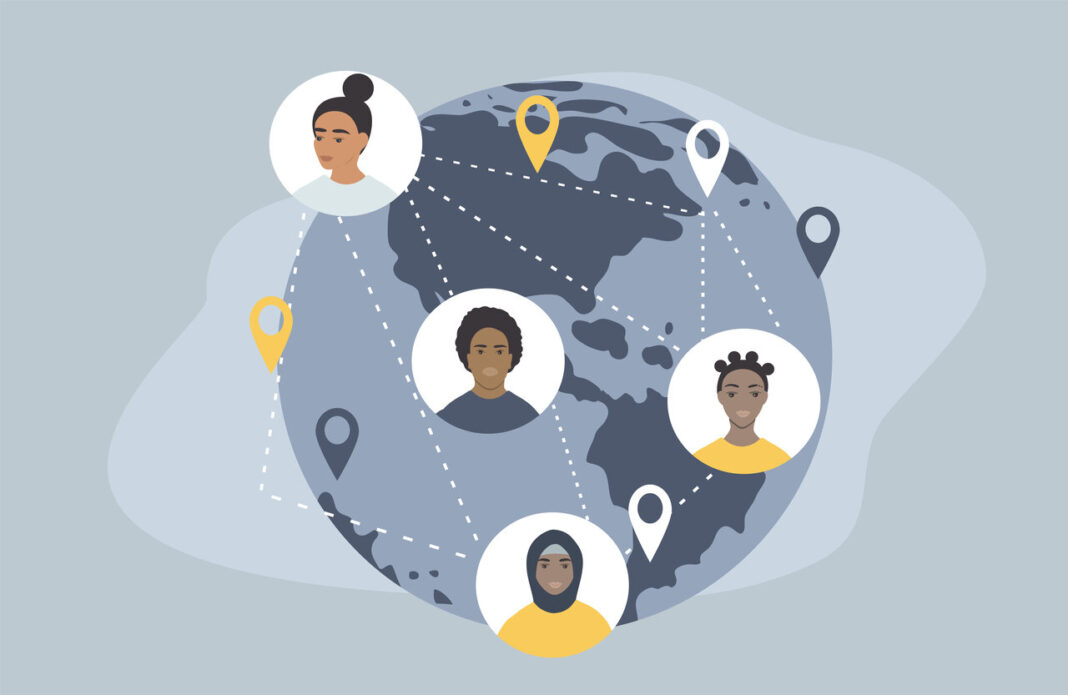
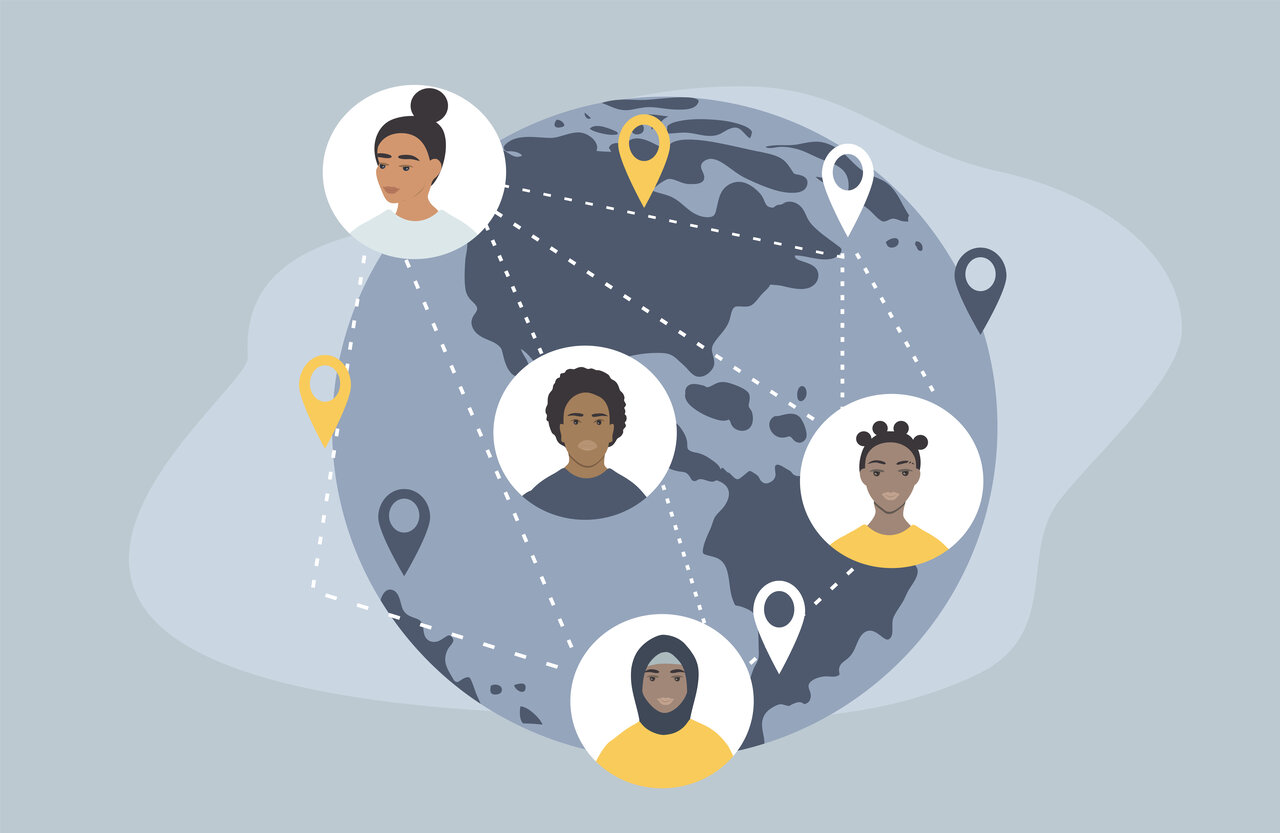
Layla is one of the 12 million people who have been displaced by the war in Sudan, which began on 15 April 2023 between the Sudanese Armed Forces (SAF) and the paramilitary Rapid Support Forces (RSF). Four million of the 12 million fled to neighbouring countries such as Egypt, the Central African Republic (CAR), Chad, and South Sudan.
The SAF’s recent advancements, reclaiming major states and cities resulted in the safe return of 1.3 million people to Sudan, in areas such as Sennar, Khartoum, and Al Gezira. However, some may choose not to return, including those who have rebuilt their lives outside of Sudan and are still haunted by the war, and the loss of their homes and other valuables.
Bougainvillea flowers remind Layla of Sudan To Layla, bougainvillea flowers carry the feeling of home
Layla was grateful for the life she had in Sudan, surrounded by family and friends. A life that she misses deeply since she moved to Abu Dhabi, the UAE, on 4 September 2023, due to the war. “Leaving our house and Khartoum was very hard. I couldn’t comprehend it, and I still remember the day. I just kept crying and staring at my house until it disappeared from my vision. That’s when I lost my sense of a home. The day I left my house and did not return until now,” she said.
Yousef*, a 26-year-old civil engineer, expressed his grief at the situation that his home country has reached, stating that a return is not possible. “I can’t go through this again. The idea that everything can change within a day and I have to start from scratch,” he said.
Yousef on his way to Port SudanYousef leaving to Saudi Arabia
After leaving his home in Khartoum, Yousef didn’t immediately flee the country. He was one of the 8 million internally displaced people. He fled to Dongola, the capital city of Al Shamaliya or Northern State, where he stayed for a few months before eventually traveling to Saudi Arabia.
Fatima*, a 60-year-old woman and mother, stayed in Khartoum for 10 days after the war began until staying was not an option. As the situation spiraled and the difficulties of day-to-day life increased, she did what she could to save herself and her three daughters. They fled to Egypt on 25 April 2023.
Fatima on the way to ArgeenFatima at the Argeen border crossing
According to Fatima, their three-day bus journey was marked by fear, scarcity, and a sense of heading into the unknown. From Egypt, they later moved to the UAE. Due to her age, Fatima struggled to find work. “When I was in Sudan, I used to feel I was doing something. I was of use,” she said. But now, she feels “dependent on her children.” For her, life in Sudan was full – with work, friends, and family.
When asked to describe their lives in Sudan pre-war, Yousef said, “I was grateful for the life I had. I felt like I had everything I needed. I am with my family and loved ones.” He added that he never thought about leaving Sudan.
Fatima expressed the same sentiment. She was grateful for the life she had worked for for years. After being dedicated to her work under the Agriculture Department, contributing to Sudan’s accession to the World Trade Organization (WTO) for almost 17 years, the war stole decades of hard work.
For Yousef, however, his career has had a boost in Saudi Arabia. He believes that his career would have never reached the level it has now reached if he were still in Sudan. As he is trying to enjoy these new achievements, he is “also seeking the things that used to make [him] happy,” he said.
While Fatima and Yousef both yearn for the lives they had, they share the opinion of not planning to return to Sudan if and when the war stops. The reasons differed, but the outcome was the same. Fatima thinks she won’t feel as safe in Sudan as she does in the UAE. The only reality she would return to, given the uncertain state of Sudan, is the life she had before.
“I wouldn’t go back to starting from scratch because my age doesn’t give me the freedom for that,” said Fatima. According to Yousef, he has not thought about going back. “That’s why leaving was the hard part. I left knowing I am not returning,” he added.
If Sudan were safe, Yousef would go back, but only for a visit. He shared that he can’t take the risk of going back indefinitely and affecting the life he has worked hard to build in Saudi Arabia.
Sharing a different opinion from Fatima and Yousef, Layla expressed her willingness to return to Sudan if the war stops. “This land is ours. Even if we left, Sudan is inside each and every one of us,” she said.
Over eight million Sudanese remain displaced within the country, facing not only the trauma of war, but also the long-term effects of displacement such as famine, post-traumatic stress disorder (PTSD), and disease. However, it is not only the displaced who are suffering – communities in safer and more stable states hosting displaced people are also under immense strain. A recent assessment of 8,600 households across six states in northern and eastern Sudan of the country’s 18 states revealed rising demand for food, education, and healthcare services.
Amid these challenges, in addition to the 1.3 million Sudanese who have already returned to Sudan, thousands are returning everyday from inside and outside of the country. As the Regional Director at the International Organization for Migration (IOM), Othman Belbeisi, said, “Those heading home are not passive survivors; they are vital to Sudan’s recovery… With the right support, returnees can revive local economies, restore community life, and foster hope where it’s needed most.”
*Names have been changed to respect the interviewee’s request for anonymity.
There’s nothing Rawan Alamin loves more than writing. It’s been that way since she was a kid. Reading stories, writing her own, and playing with words to make sense of the world around her. Though she earned a degree in architecture from Sudan University of Science and Technology, her heart never truly left writing. After graduating, she returned to her first passion and built a career around it. Now based in the UAE, Rawan works as a full-time content manager. She is trying to bring a storyteller’s lens to everything she writes.