
Sudanese writers have long searched for ways to portray the hardships of migration and the estrangement one feels away from the homeland, from Al Tayeb Salih’s classic Season of Migration to The North to Leila Aboulela’s The Translator. Both novels gained wide critical acclaim and were translated to several languages for the world to read.
Other writers, such as Tarek Eltayeb, in his first novel Cities without Palms (original title: Mudun bila nakhil), published in Arabic in 1992, touched on a topic of great interest and relevance to Sudanese people both in Sudan and the diaspora.
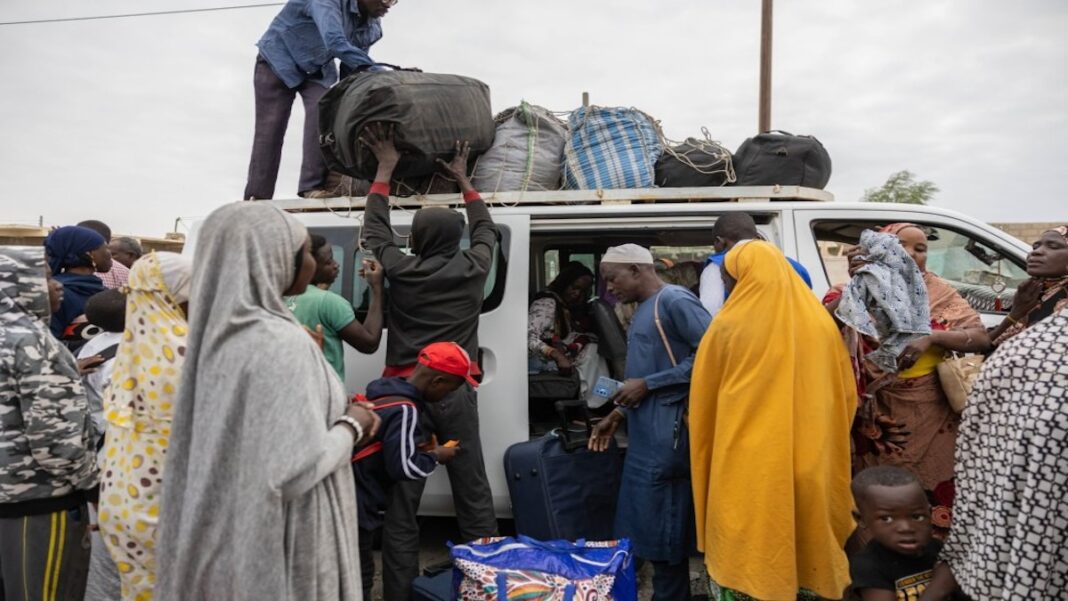
The novel delves into Sudan during what is implied to be the famine of the mid-1980s. Capturing poverty through uncompromising realism, Eltayeb reflects the status of millions of rural and urban Sudanese people at that time. With commentary on migration, alienation, love, religion and class, the novel remains timeless as ever, even during our current times, where many Sudanese escape the country in search for a better life abroad.
The protagonist Hamza tries his best to escape the poverty and estrangement he experienced throughout his life in a remote village, Wad Al Nar. He forces his way to Omdurman first, then Khartoum, Egypt and finally crossing the Mediterranean towards Europe from his remote village, nonetheless he fails miserably, falling to even more poverty and estrangement.
Eltayeb explores themes of class, migration, estrangement, self-discovery and poverty through the lens of the protagonist. He provokes the reader not to sympathise with Hamza, but to take a seat and think about the circumstances that pushed him to this road of mostly illegal endeavours. He addresses the wealth gap through characters that resemble a gang of gasoline sniffers. They preach about a principle of ‘redistribution’ that mimics the socialist principle of progressive taxation.
Out of necessity, Hamza travels through different cities and countries witnessing the cruel, inhumane ways illegal migrants are forced to endure. Here, Eltayeb poses criticism for the way migrants are integrated into a society that refuses integration. He recalls the racism and discrimination they face in search for a living.
Estrangement, or ghurba as it is referred to in the Sudanese dialect, is the one constant throughout the 100-page novella. Hamza cannot help but feel this sense of estrangement that is precipitated by his father’s abandonment. The alienation he feels towards his village and its people pushes him to abandon the society that he resides in and seek company of the graveyard and its tall palm tree. As the village changes along the years, this isolation grows stronger inside him. When he finally seeks to migrate out of necessity, his strangeness is multiplied by his unfamiliarity; a lonely village boy in an uncompromising city, he feels the pressure his difference ensues. Therefore Hamza remains a stranger throughout the lives of those around him, he is incapable of belonging. Maybe that was a projection Eltayeb forced on the young man to relieve his own loneliness and isolation and seek company in this character. Whether such a guess is accurate or not remains up to debate, but the one truth is: Elayeb provided a beautiful study of the human condition in this unforgettable character.


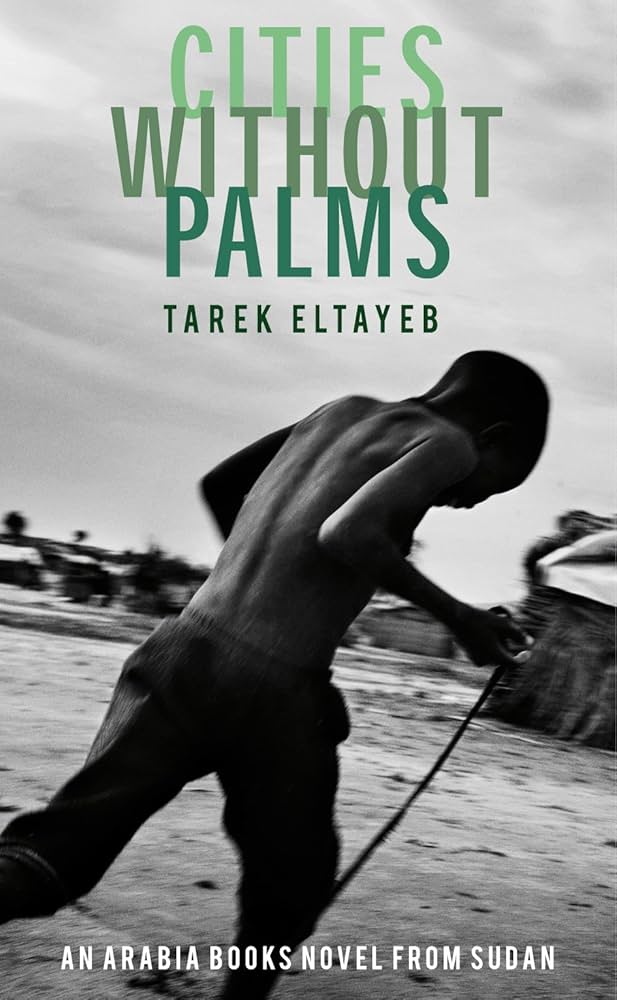
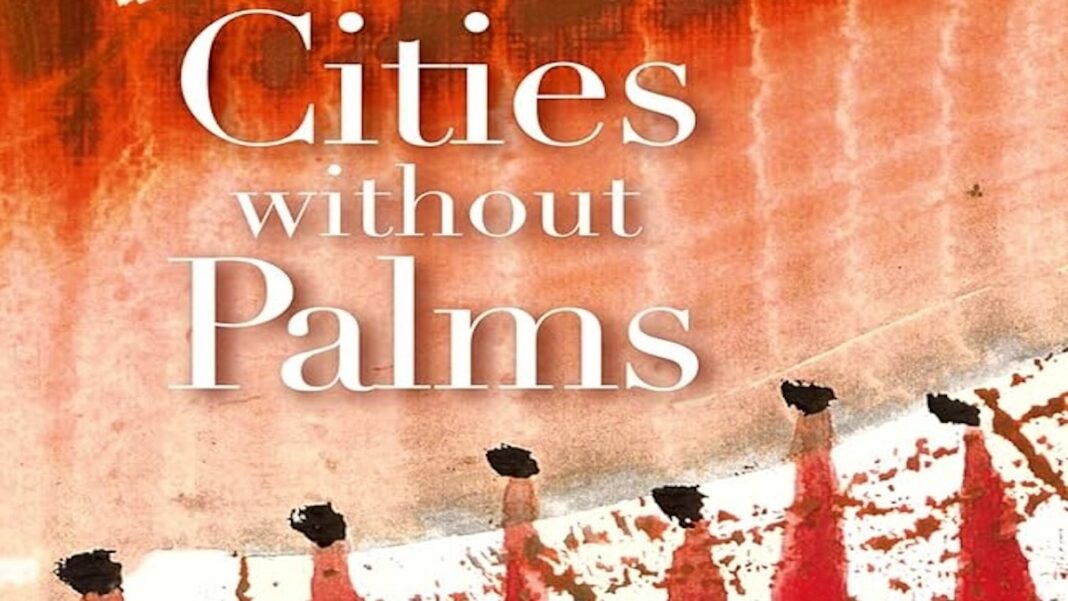
Cities without Palms was originally published in Arabic in 1992. The English translation, translated by Kareem James Palmer-Zeid, was later published in 2009 by The American University in Cairo Press. Despite being published 34 years ago, Cities without Palms retains a relatively relatable status, with its themes still being a relative topic in the 21st century. Cities without Palms remains one of the most popular novels to come out of the Sudanese literary zeitgeist, having been translated to several languages since its publication. The title refers to cities stricken by a drought so severe that it leaves its cities with no vegetation nor palms.
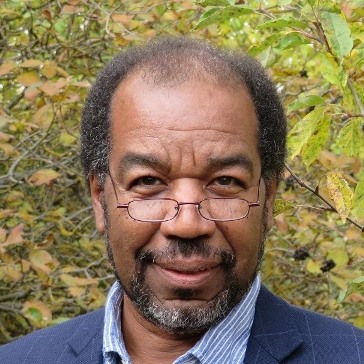
Born to Sudanese parents in Cairo, Egypt in 1959, Eltayeb is an Egyptian-Sudanese revered writer, poet and novelist. Now based in Vienna, Austria, Eltayeb wrote his debut novel in his early years as an expatriate. Writing for Al Akhbar in 2015, he said, “Cities without Palms, my first book and first novel that I never intended to publish. I wrote it while I was in a feverish state of loneliness and isolation in a luxurious European city, a city that provoked my feelings of poverty, that gradually drowned it with a more severe poverty and isolation.”
Writing since 1985, Eltayeb has produced various publications including hree novels, two collections of short stories, five collections of poems, a play, an autobiography and a book of essays. His works have been translated to German, French and English among other languages.
Cities without Palms is available on Good Reads, Amazon, and various other platforms.

As he ventures into this brave new world ahead of him, 2005-born Muathal Hisham tries to reflect on the experiences he encounters through poetry and prose. An aspiring bilingual essayist who aims to reinvent the way literature, art and music are interpreted, Muathal provides a thrilling dive into regional and international cultures, with the hope it might inspire positive change in his community. When he is not writing, Muathal is often busy video editing or studying for medical school at Ain Shams University. Find him @muathall on Instagram or visit his blog on Medium at @Muathal.