


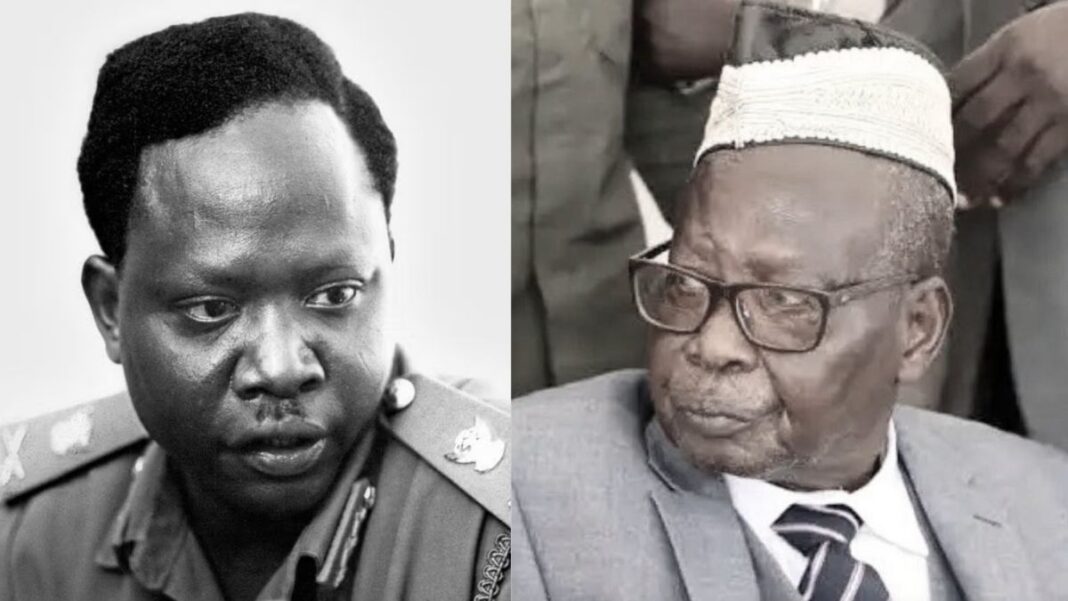
General Joseph Lagu Yanga, a pivotal South Sudanese liberation icon and former military and political leader, died in Juba, South Sudan on Tuesday, 27 October 2026 at the age of 94.
His body was taken to the national parliament on Wednesday, 28 October 2026.
President Salva Kiir declared a period of national mourning until his burial on Friday, 13 November 2026, and posthumously promoted him to full General Lagu is set to receive a state funeral and burial near the Dr John Garang Mausoleum with a church service at All Saints Cathedral in Juba.
President Salva Kiir and senior government officials are expected to attend the funeral and burial services with a 12-gun salute.
Funeral programme
| Date | Arrangements |
|---|---|
| Wednesday, 11 November | Public viewing of the body begins, with the first ceremony continuing overnight until dawn Thursday. |
| Thursday, 12 November | The body will be taken to his family residence in Hai Tijaria, where members of the Madi community, friends and relatives can pay their respects. |
| Friday, 13 November | Church prayers at All Saints Cathedral, followed by a state burial at the Dr John Garang Mausoleum. |
| Four days after burial | Final funeral prayers will be held at the National Legislative Assembly, in accordance with Madi tradition. |
Lagu played a significant role in the southern Sudanese liberation struggle. He founded and led the Anyanya One (Anya-Nya 1) resistance movement during the First Sudanese Civil War.
In 1972, he negotiated and signed the historic 1972 Addis Ababa Agreement, which ended the 17-year conflict, which killed about 500,000 people and brought regional autonomy to Southern Sudan.
He served as President of the High Executive Council of the Southern Sudan Autonomous Region (1978–1979), Second Vice-President of Sudan (1982–1985), and Sudan’s Permanent Representative to the United Nations (1990–1992).
Sudan has requested to participate in the burial of South Sudanese liberation leader General Lagu, with a delegation expected in Juba later this week, a presidential official has said. South Sudan broke away from Sudan in 2011 after years of conflict.