


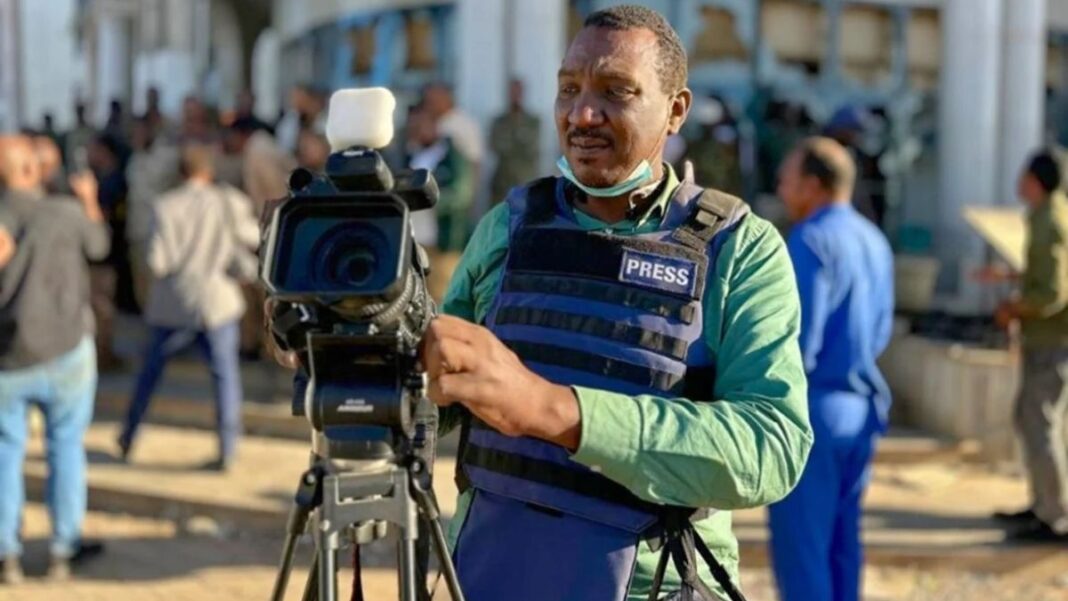
In a country already plagued by war, reporting from Sudan has become increasingly dangerous and, under newly introduced laws, could now carry the death penalty.
Under Temporary Constitutional Decree No 7 of 2026, issued on 19 October 2026 by the Chairman of the Transitional Sovereignty Council (TSC), Lieutenant General Abdel Fattah Al Burhan, military authorities have sharply escalated crackdowns, expanding Article 51/A of the 1991 Criminal Code to make certain forms of journalism effectively punishable by death.
Published in Official Gazette supplement issue 1982 to take immediate legal effect, the amendment revises the statute on “inciting war against the state” by appending a single, sweeping phrase: “including publication via electronic or media outlets.”
Analysts, academics, and journalists, such as Rasha Awad and Diaa El Din Bilal, have increasingly criticised Burhan’s military strategies, foreign gambits (such as diplomatic ties with Russia), and handling of post-war reconciliation, while state-aligned media forums continue to receive recommendations from the military leadership.
Journalists in Sudan face ongoing arrests and detentions by both the Sudanese Armed Forces (SAF) and the paramilitary Rapid Support Forces (RSF), which have been engaged in a war since 15 April 2023. The conflict has triggered the world’s largest displacement and humanitarian crises, forcibly displacing more than 14 million people and leaving an estimated 150,000 to 400,000 dead.
Over 90% of Sudan’s media infrastructure has been destroyed. All print newspapers have ceased operations as newsrooms in Khartoum were looted, abandoned, or caught in active combat zones.
Journalism in Sudan has long faced severe suppression, criminalisation, and life-threatening risks. In the Reporters Without Borders (RSF) Press Freedom Index, Sudan is ranked 161 out of 180 countries (with a score of 29.02).
The ongoing civil war and the military-led environment have led to systematic attacks, arbitrary detentions, murders of journalists, infrastructure destruction, internet shutdowns, and the displacement of media workers. “Since the 25 October 2021 coup, journalists critical of authorities have been arrested, and the internet is often shut down in order to block the flow of information. Propaganda messages are broadcast by the state-owned media under the control of the military and many news outlets have stopped operating. The media blackout has been marked by proliferating false information, unrelenting pressure on independent outlets and journalists being targeted due to their work,” stated the Reporters Without Borders (RSF).
Recent Arrests and Cases:
At least 16 journalists and media workers have been killed, and reporting the truth has faced severe criminalisation, with some reports noting severe capital penalties under wartime decrees.
- Aisha Al Majdi: Arrested on 12 September 2026, in connection with social media posts and commentary on Sudan’s economic crisis; she was later released on 16 September 2026, as documented by the Committee for Justice.
- Rishan Oshi: Arrested in Port Sudan on 18 May 2026, after a court sentenced her to one year in prison and a SDP10 million fine under Sudan’s cybercrime law for reporting on alleged state corruption.
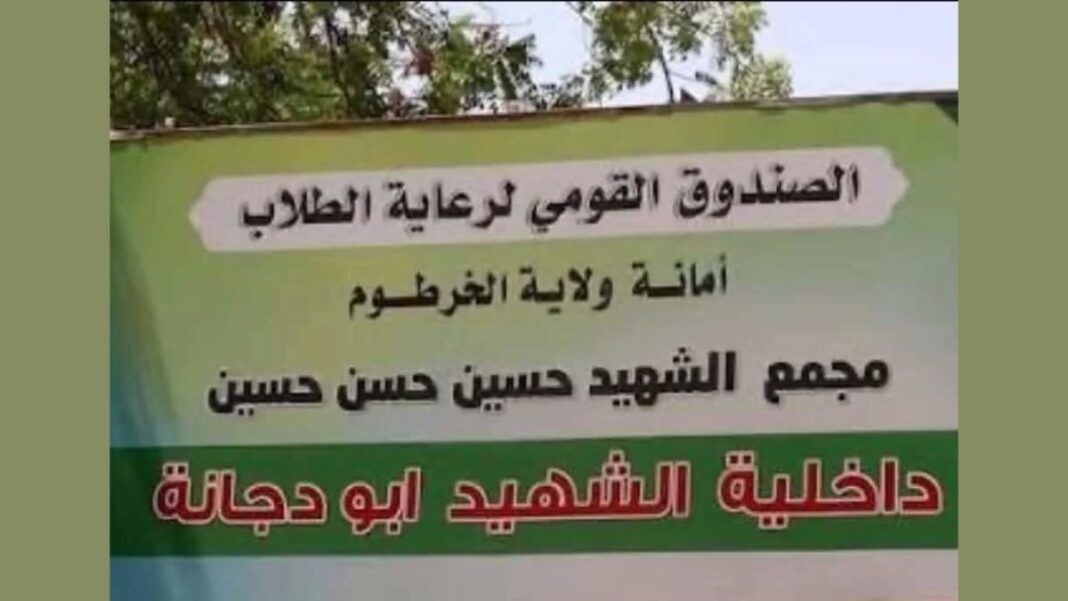
- Rasha Hassan: Detained in the White Nile state in October 2026 for sharing a report online about students being barred from examinations for failing to pay school fees.
- Mawaheb Ibrahim, Zahraa Muhammad Al Hassan, and Ishraqah Abdulrahman: Three female journalists from Nyala State Radio were detained on 28 February 2026, by RSF forces in South Darfur after attending a women’s rights workshop.
- Mouammar Ibrahim: A freelance journalist and correspondent for Al Jazeera Mubasher, detained by the RSF in Al Fasher (North Darfur) in late October 2025.
- El Rashid Mohamed Haroun: Arrested by RSF soldiers in West Darfur in late July 2025 and transferred to a prison in South Darfur.