


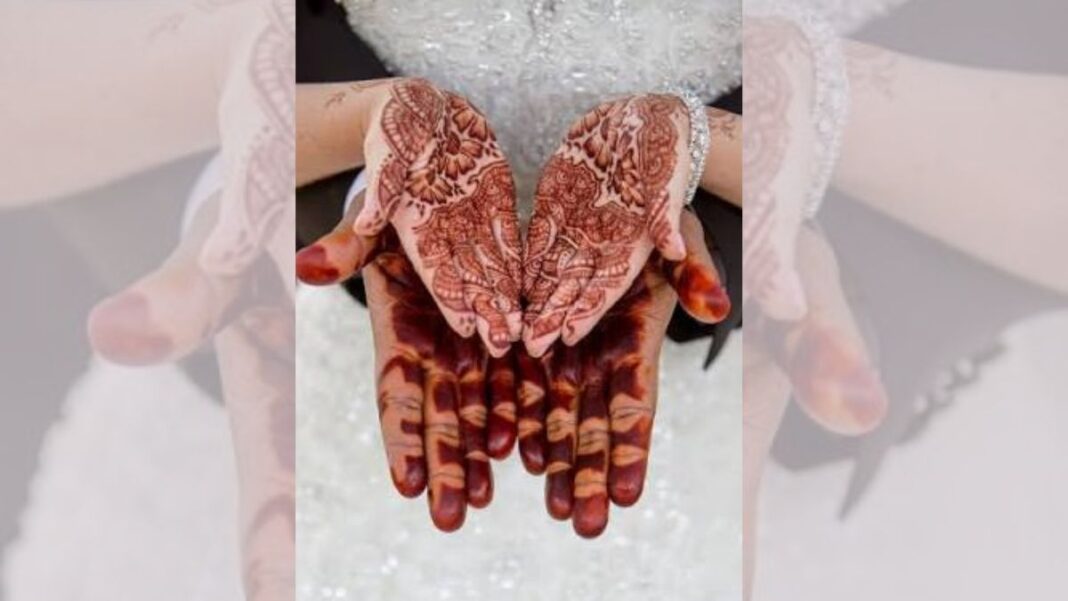
A Sudanese man or woman posts a picture online of their wedding. Nothing is out of the ordinary, except, their partner is white. Although it should not warrant a strange reaction, what sticks with someone after seeing these posts is the comment section filled with Sudanese people praising their fellow Sudanese on “their enhanced future lineage.”
Growing up among Sudanese communities, especially in Sudan, you begin to notice certain peculiarities in social attitudes. One of the most popular, albeit most questionable, is the long-standing fascination with marrying someone white, whether a non-Sudanese person, or a white or light-skinned Sudanese.
Recently, this strange fascination has become more apparent in society’s responses to interracial marriages, particularly those involving Westerners from the US, the US or elsewhere in North America and Europe, or even the Arab world. The question is commonly: “Okay, but is he or she white?”.
As soon as an engagement is announced, or a wedding photo is shared or posted on social media, someone out there is already picturing their light-skinned children. While usually worded in a harmless way, such as “your children will be beautiful,” it is about something much deeper than that.
As The Sudanist founder and editor, Ola Diab, wrote in her column piece We Are Racists Too: Confronting the Racism Within, colourism in Sudan, as in anywhere else, is still very much present. As a result of Sudan’s history of colonisation and marginalisation, lighter skin tones are widely admired and respected, whereas darker skin tones are commonly subjected to colourism and stigma.
And just like that, “your children will be beautiful” translates into “they will be lighter-skinned” and having the features people admire about white people – skin colour, hair, eyes, etc. The deeply-rooted prejudice that Sudanese people have against their own skin, appearances and people builds the assumption that mixed children, with their lighter skin, smoother hair textures and coloured eyes, are automatically more beautiful.
As a result of this prejudice against our own features and roots, a colourist social hierarchy has been set up, where the lighter you are, the more beautiful you are, the more accepted you are and the more status and privileges you inherently have. Based on this, white or light-skinned people are at the top of the hierarchy, and being chosen by one for marriage would mean that you have a higher value, all because of the social ideology that white people are “better” or “more beautiful” and viewed as more privileged, worldly, and successful.
Until recent years, the beauty standards globally have favoured lighter skin, cementing the belief in most people, especially non-whites, that where beauty is power, that beauty is white. While unfortunate, this is true or believed across the world – being white or even having a white partner opens more doors for a person, whether it is through their passport privilege, economic stability, or social networks. All this ties to a carefully established system of white privilege and racism towards people who are anything but white. This explains why Sudanese people view marrying white as an accomplishment: when you marry white, you marry up.
Sudanese families and communities have many old-fashioned social attitudes, and one of those is their focus on bettering the bloodlines and lineage. In Sudan, ancestry, surnames, and “good blood” have significance, especially among older generations. But what does better blood really mean? And what does that say about the way we view our own bloodlines? This ideology may not be common these days, but it is still reflected in the way we react to marriages to white people. All this does not negate the fact that Sudanese people are proud of their heritage and identity, but it is possible for two things to be true. Sudanese people do not hate being Sudanese, for one can be proud of their background, but still inherit prejudices about their colour and appearance.
Of course it is still expected to see congratulatory messages in the comment section of other interracial couples, or any newlywed couple for the matter, but it is worth asking: would it be typical of Sudanese people to say “your children will be beautiful” to a Sudanese marrying someone from fellow African or Asian countries such as a Nigerian, Somali, Ethiopian or even Indian?
It goes without saying that there is beauty in all interracial marriages. Like any other marriage, they are filled with mutual admiration and respect, and they also bring about intersections of culture, beautiful mixed identities and children who embrace both cultures openly and admirably. However, the problem is not interracial marriages themselves, it is that our society turns this union into an ugly self-loathing practice and colourist hierarchy.
So, before we catch ourselves treating Sudanese marriages to white people as accomplishments and improvements in lineage, we should ask ourselves: why does marrying white have to be seen as an upgrade? What are we bettering if we are already proud of our identity?
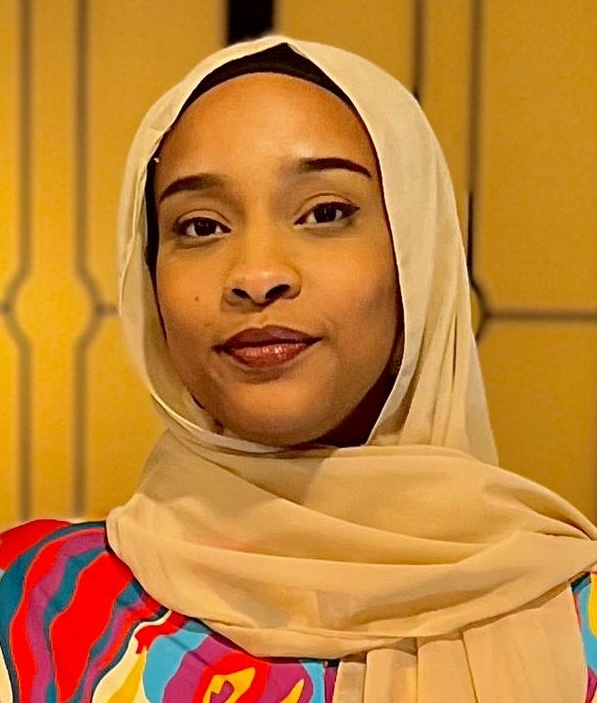
Samar Bengawi is a medical student by day, and a literature and music enthusiast by night. She was born and raised in the UAE and is now based in Georgia. She is never without a cup of coffee in hand, and is always “on the go,” chasing after one hobby or another. Passion in Sudanese politics runs in her blood and she considers herself a patriot who hopes to leave a memorable mark in the world.