
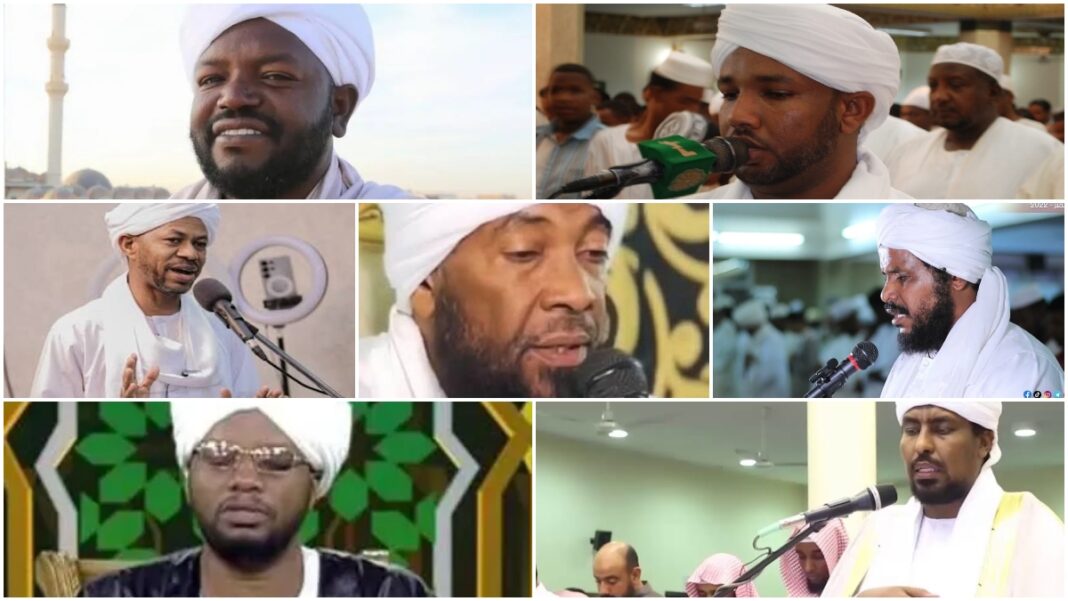
For Muslims around the world, the holy month of Ramadan is a time of year when the Quran takes centre stage and becomes most present in daily life. It is heard from mosques, especially during night prayers such as Taraweeh and Qiyam Al Liyal, listened to at home during the day, and recited in the quiet, early hours before Fajr (dawn) prayer.
In recent years, Sudanese Quran recitations have become popular, listened to by Muslims across the world, thanks to the beautiful recitations of Sudanese sheikhs such as the late Noreen Muhammad Siddiq, Al Zain Muhammad Ahmed, Al Fateh Muhammad Zubair, Muhammad Abdulkareem and many more. The style of Sudanese Quran recitation is unique, often calm, measured and melodious, allowing listeners to sit with the verses and contemplate their meaning.
The Sudanist takes a look at Sudanese reciters whose voices many people associate with the Ramadan, the Quran, and Islam in general, and why they continue to resonate year after year.
Note: Ramadan is known as a holy month in Islam, often called Shahr Al Quran (“the Month of the Quran”) because it commemorates the time when the Quran was revealed. In addition to fasting, many Muslims strive to complete a full reading of the Quran during the holy month. This practice is known as Khatam Al Quran with khatam meaning “completion” or “closure.”
Sheikh Noreen Muhammad Siddiq
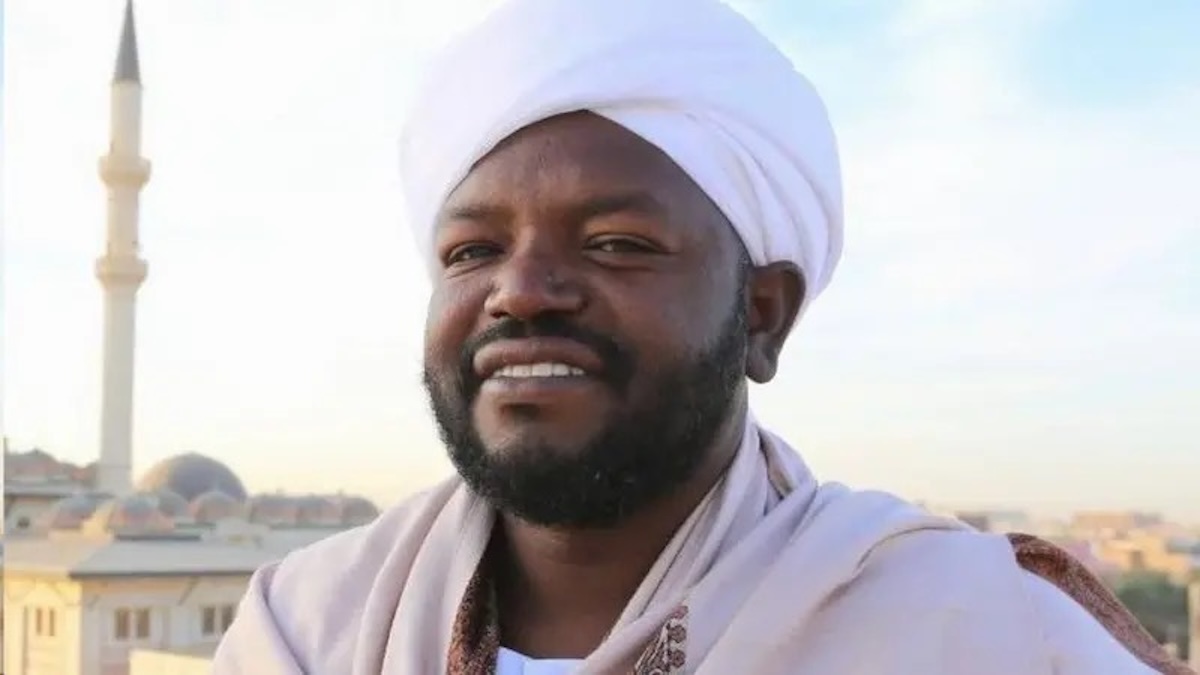
The late Sheikh Noreen Muhammad Siddiq was arguably Sudan’s most widely recognised Quran reciter, known for a unique style that resonated deeply with listeners worldwide. He was born in 1982 in the village of Al Farjab, North Kordofan, where his journey with the Quran first began. He studied under Sheikh Al Makki and memorised the Quran at 17, later becoming shaykh al tullab (the most senior student of the khalwa).
Known for his honed ability to recite the Quran in the Al Douri style, Sheikh Noreen served as the imam in several of Khartoum’s most prominent mosques, including Khartoum Grand Mosque, Sayyida Sanhouri Mosque, and Al Noor Mosque. His Taraweeh (night prayers) were widely attended and remembered for their sense of soulful calm and emotional depth, qualities that made his recitation especially beloved during Ramadan.
Beyond mosque leadership, he represented Sudan internationally in Quran recitation competitions. In 2005, he achieved second place at the King Abdulaziz Quran Competition in Saudi Arabia. He later secured second place among 66 participating countries in a competition held in Libya in 2006.
Sheikh Noreen sadly passed away on 7 November 2020, following a road traffic accident near Omdurman while returning from a journey to Sudan’s Northern State, alongside three fellow Quranic scholars. His passing was widely mourned in Sudan and across the world, where thousands attended his funeral procession. People across the world were deeply devastated by his death, as his listeners were not confined by race, nationality, or ethnicity; his recitation had touched hearts everywhere.
Today, his voice remains inseparable from Ramadan for many listeners. His legacy lives on through recordings, with his voice still reverberating through homes around the world through digital platforms, remembered not only for the beauty of his recitation but for the sincerity with which he carried the Quran.
Platforms: YouTube and Quran audio platform
Sheikh Alzain Muhammad Ahmed
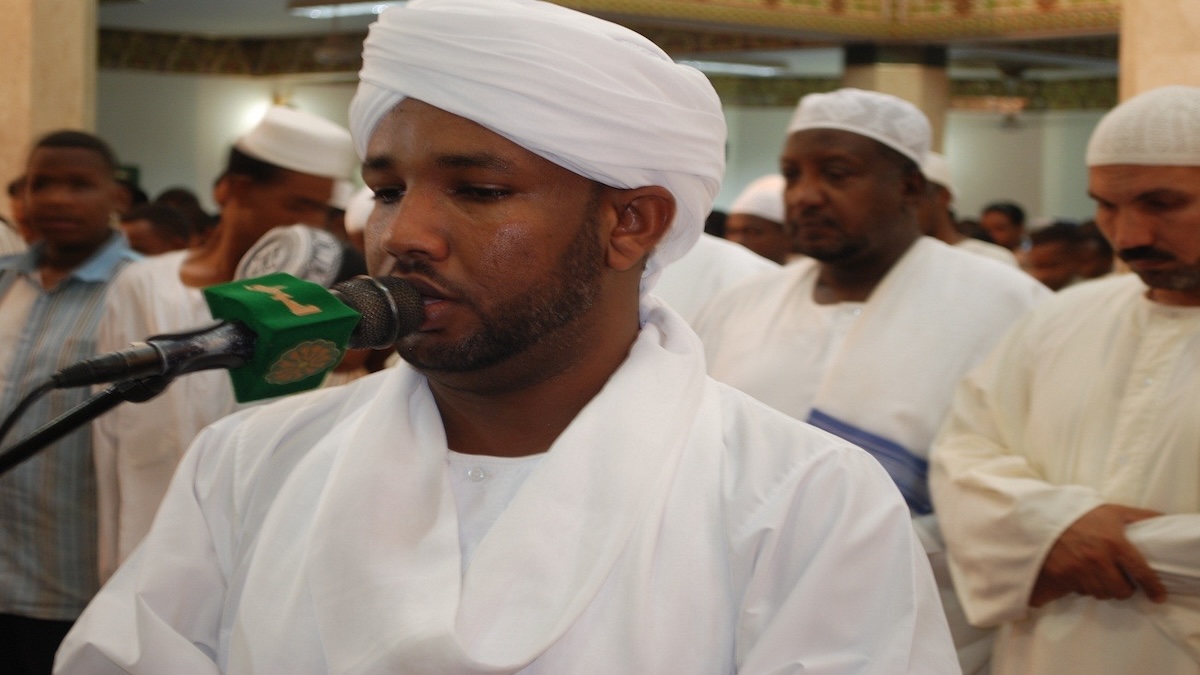
Sheikh Alzain Muhammad Ahmad was born in July 1982 in a village near Umm Rawaba in North Kordofan, into a family deeply connected to Quran teaching. His grandfather, Al Faki Al Zain, was a respected teacher and scholar of the Quran, and Sheikh Alzain was named in his honour. From an early age, he showed a profound affinity for the Quran, beginning his memorisation around the age of 10 and completing it in approximately two years in 1996 at a local khalwa in the town of Bara.
He received his Quran education under renowned teachers, before enroling at the University of the Holy Quran and Islamic Sciences. In 2009, he received an ijazah (authorisation) in Quranic recitation from the prestigious Al Azhar University.
Sheikh Alzain’s excellence in recitation was recognised early through competitions. In 1998, he won first place at the Fifth National Quran Festival in Sudan and later represented Sudan internationally in Malaysia, the UAE, Saudi Arabia, and Libya. His melodious and humble voice quickly gathered thousands of admirers, both young and old, and became closely associated with Sudanese recitation and Ramadan listening.
Alongside his studies, Sheikh Alzain served as an imam and khatib (orator or preacher). In 2001, he was appointed imam at Sayyida Sanhouri Mosque in Khartoum, and his recitation was also adopted for broadcast on Sudanese Quran Radio. He is considered an extension of iconic older Sudanese voices such as Sheikh Awad Omar and Sheikh Sadiq Ahmed Hamdoun.
Today, Sheikh Al Zain serves as a role model for Muslim youth, admired for his dedication to both his faith and craft. His recitation continues to inspire worship and reflection in Sudan and around the world.
Platforms: YouTube and Quran audio platform
Sheikh Salih Ahmed Salih
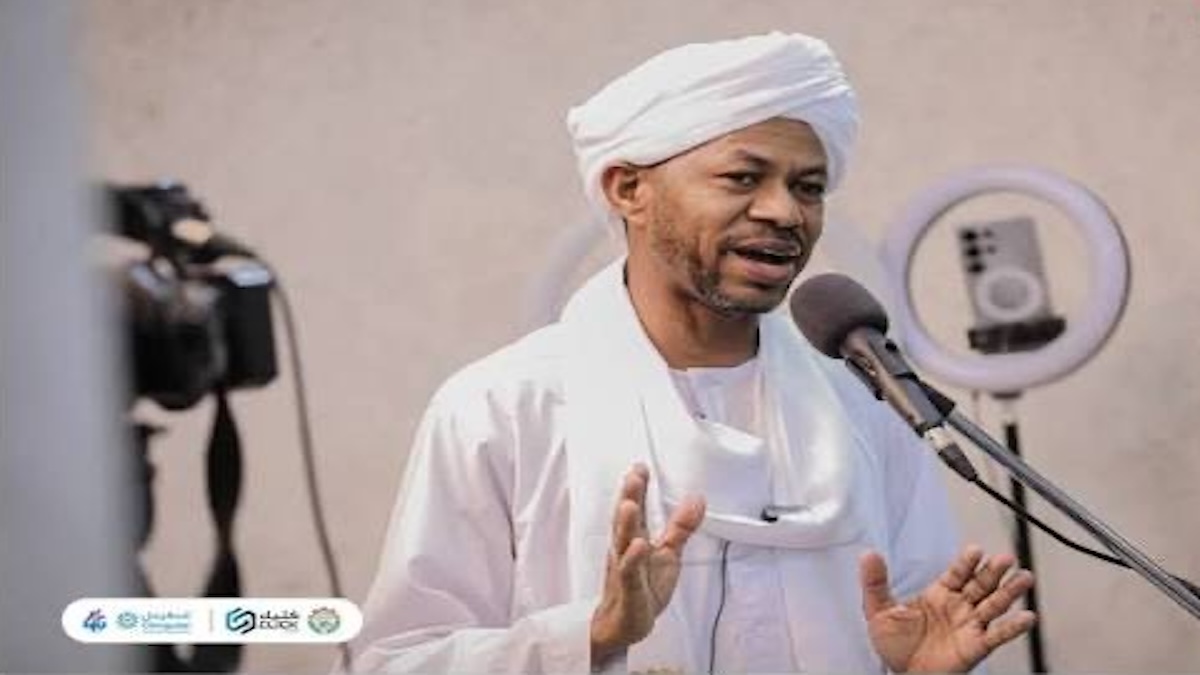
Sheikh Salih Ahmed Salih is a Sudanese Quran reciter celebrated for his calm, flowing style. He adheres closely to the traditional Sudanese approach to recitation, prioritising clarity and precision in pronunciation while avoiding excessive melodic embellishment. This measured style allows the listener to focus on the words and meanings of the Quran, fostering contemplation and spiritual connection.
Sheikh Salih’s recordings are widely circulated, often shared during Ramadan and other significant religious occasions. He is known to lead the Ramadan night prayers in Muawiya AlBireir mosque in Khartoum. Through his steadfast approach, he has built a devoted following who appreciate his faithful and unadorned style, representing a continuation of Sudan’s rich recitational heritage.
Platforms: YouTube and Quran audio platform
Sheikh Ahmed Muhammad Taher
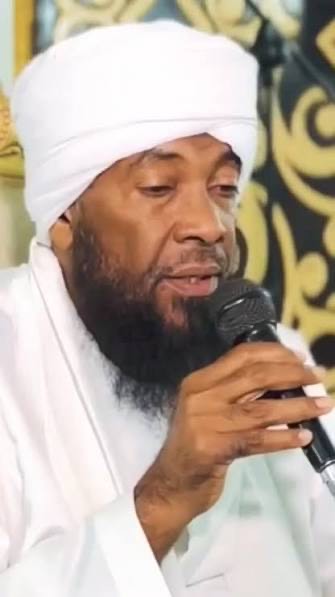
Sheikh Ahmed Muhammad Taher is widely admired for his long, immersive Quran recitations. His patient and deliberate style allows listeners to fully absorb the depth and beauty of each verse, inviting a sustained engagement that is particularly well suited to the reflective and contemplative atmosphere of Ramadan nights. Through recordings, broadcasts, and live sessions where he offers tafseer (interpretation of the Quran), he has garnered a devoted following across Sudan.
Platforms: YouTube and Quran audio platform
Sheikh Muhammad Othman Haj Ali
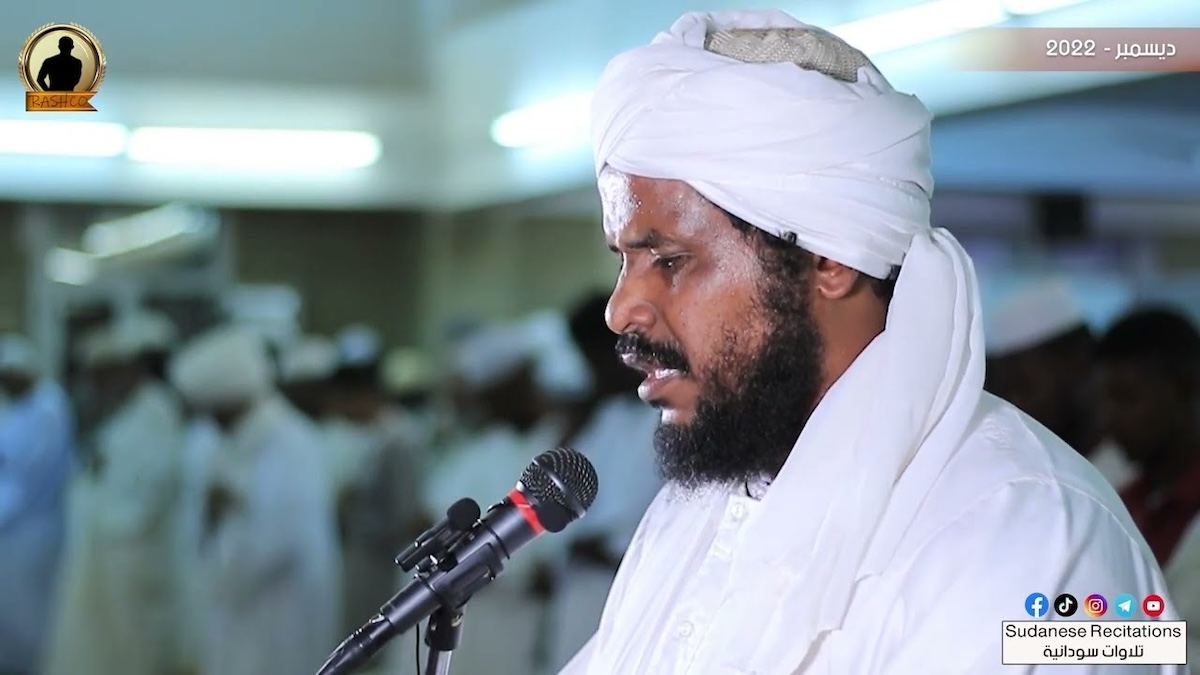
Sheikh Muhammad Othman Haj Ali is a respected Sudanese Quran reciter, widely recognised for his distinctly Sudanese voice. Raised within Sudan’s traditional Quran learning environment, he memorised the Quran through a khalwa-based education and developed a recitation style marked by balance and clarity. His recordings in which he leads night prayers as the imam in AlTaqwa mosque in Bahri are especially popular. In recent years, complete mushaf recordings and curated playlists of his recitation have circulated widely online, introducing his voice to listeners beyond Sudan and cementing his place among reciters people return to year after year.
Platforms: YouTube and Quran audio platform
Sheikh Al Fateh Muhammad Al Zubair
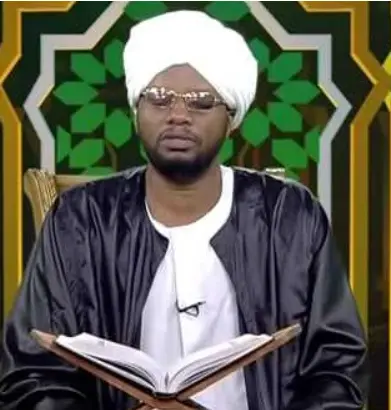
Sheikh Al Fateh Muhammad Al Zubair is a Sudanese Quran reciter from Omdurman. At a young age, he memorised the entire Quran under the supervision of his father, who was the head of a traditional khalwa for Quran memorisation. After completing his memorisation, he went on to study at the University of the Holy Quran in Khartoum, specialising in Islamic studies. He is widely admired for a style of recitation that is calm, measured, and grounded in the authentic Sudanese style, inviting listeners into quiet reflection.
Beyond his vocal qualities, Sheikh Al Fateh’s impact is also felt through teaching and community work. Alongside his work as a reciter, he supervises the Al Zubair khalwa in Omdurman, a Quran memorisation centre that graduates hundreds of students, and he also serves as the imam of Al Zubair Grand Mosque in Omdurman.
For many listeners, his recordings are companions in daily worship, guiding moments of reflection and devotion while linking them to the living tradition of Sudanese recitation that has been passed down through generations.
Platforms: YouTube and Quran audio platform
Sheikh Muhammad Abdulkareem
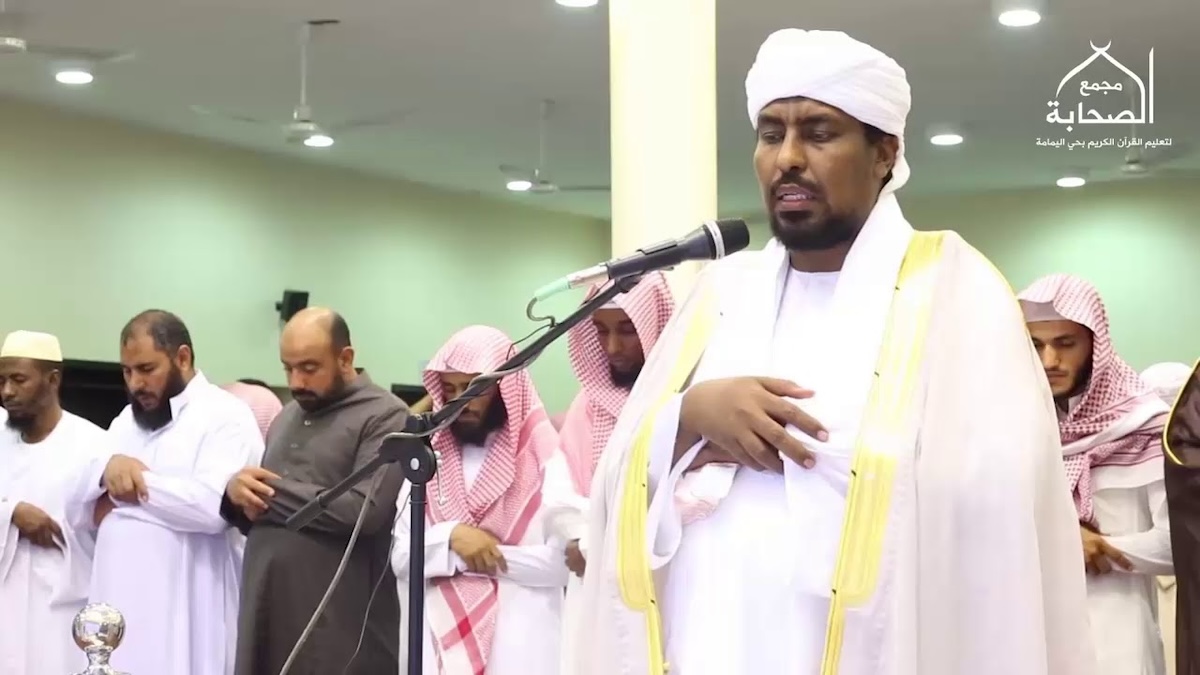
Sheikh Muhammad Abdulkareem is a Sudanese Quran reciter, imam, and Islamic scholar known for his calm, measured style of recitation that emphasises clarity and reflection. Born in 1968 in the village of Mashu near Dongola in Northern Sudan, he memorised the Quran at a young age and went on to study it formally, becoming one of the most well-known reciters in the country.
Sheikh Muhammad received his early religious education in the holy city of Mecca, Saudi Arabia where he studied the Quranic sciences before completing his formal higher education in Islamic studies. He holds a bachelor’s degree from King Abdul Aziz University in Jeddah, followed by postgraduate studies at the University of Khartoum, where he earned both a master’s degree and a doctorate. Alongside his academic training, he studied under a number of well-known scholars in Quran recitation, jurisprudence, and hadith (authentic prophetic narrations.
He has held several prominent religious roles in Sudan. He is best known for his role as the imam and khatib (preacher) of the Islamic Complex Mosque in Khartoum, and he has been actively involved in teaching, da’awah work (proselytising people to Islam). His work extends beyond the mosque through lectures, recorded recitations, and public engagement, making his voice familiar to listeners both within Sudan and abroad.
Today, Sheikh Muhammad is regarded as one of the most recognisable voices of Sudanese Quran recitation. His recitations are often described as steady and contemplative, making them especially popular during Ramadan, where the focus remains firmly on absorbing the meaning and understanding of the words of the Quran itself.
Platforms: YouTube and Quran audio platform
A Soundscape of Worship
These Quran reciters have dedicated their lives to guiding reflection and prayer and for many Sudanese, their voices form a familiar soundscape. Trained in khalwas and practised in mosques, their voices now reach homes through radio, recordings, and online platforms, becoming part of daily life during Ramadan. Their recitations guide Muslims worldwide in their quiet moments of reflection and contemplation, helping listeners connect with the Quran and God in a simple, heartfelt way.

Khansa Al Bashier is a medical school graduate exploring her passion for writing and storytelling, with a deep interest in Sudanese culture, history, and politics.