

Photo: Gregorio Cunha/UNMISS
Juba, the vibrant capital of South Sudan, is a city rich in cultural diversity, reflecting the traditions of over 60 ethnic groups that make up the nation’s identity. From the traditional music and storytelling of the Dinka and Azande, the city serves as a cultural hub for South Sudan.
However, access to these cultural institutions and events, along with their specialised services, is increasingly becoming a privilege reserved for a select few, as high costs create barriers for the average citizen, deepening social divides and limiting cultural participation.
Cultural institutions are central to preserving and showcasing South Sudan’s heritage. Moreover, the Nyakuron Cultural Centre hosts a range of social and cultural events, from music performances to art programmes. These spaces, while vital for fostering national identity and pride in a young nation like South Sudan, which gained independence in 2011, are predominantly centralised (specially those operating between 2019 to 2022) in specific areas of the city. This centralisation, coupled with the high fees for entry and specialised services such as live performances and art exhibitions, means that for many of Juba’s residents, engaging with these institutions remains out of reach due to financial constraints and the added burden of transportation costs to reach these hubs.
The cost of living in Juba is notably high, driven by the city’s reliance on imported goods and its economic challenges, including high unemployment rates estimated at nearly 95% in 2025 according to the report published earlier this year by Eye Radio, South Sudan’s first independent radio broadcaster of news, information and entertainment. For the average citizen, daily expenses such as food, housing, and transportation, often delivered by the costly “boda-boda” motorcycle raksha, consume most of their income. Cultural activities, such as entry fees to live performance for an orchestra live performance – which is something new to Juba residents – or tickets for events at cultural centres, are often priced at levels that cater to expatriates, tourists, or the small elite class in Juba, rather than the broader population. It is not uncommon for tickets to high-profile concerts, performances, or special cultural galas to exceed USD200, an astronomical sum for most residents. This pricing structure, applied not only to entry but also to unique services and premium events, effectively excludes many locals, particularly those in lower-income brackets, from participating in the city’s cultural life.
The exclusivity of cultural access is further compounded by broader systemic issues. South Sudan’s economy heavily depends on oil revenues, which have been unstable due to conflicts and disputes, leading to economic stagnation and widespread poverty. With 85% of South Sudanese returnees facing crisis-level food insecurity in 2025, discretionary spending on cultural activities, especially those with high service fees, is a luxury most cannot afford. Additionally, the lack of robust public funding for cultural institutions means that many rely heavily on revenue generated from entry fees, event tickets, and private sponsorships. This self-funding model inherently drives up costs for all services and events, prioritising profit over public accessibility and ensuring that only the financially privileged can engage with the nation’s heritage.
This exclusion has significant cultural and social implications. In a country where tribal and ethnic identities are strong, shared cultural experiences could serve as a unifying force, fostering a sense of national pride and cohesion. However, when access to cultural institutions and their offerings is limited to a privileged few , and primarily centralised, it risks alienating the majority and reinforcing existing social and economic divisions. For example, traditional practices like wrestling, which historically brought communities together, are accessible to all as they are often free and community-based. In stark contrast, modern cultural venues with high entry costs and expensive services create a distinct divide, where only those with financial means can engage with curated expressions of South Sudanese heritage, thereby undermining the potential for collective cultural identity.
Efforts to address this issue could draw inspiration from initiatives such as the European Union (EU) and UNESCO programme, which supports the development of cultural and creative industries in South Sudan by promoting policies that encourage entrepreneurship and the formalisation of small enterprises. Such programmes could advocate theft or subsidised or free access to cultural institutions and their services for residents, ensuring that cultural heritage is not just preserved but also shared widely. Furthermore, addressing the centralisation issue through decentralised cultural programmes, mobile exhibitions, or community-driven events, where locals and visitors interact freely, could serve as models for inclusive cultural engagement that are less reliant on fixed, high-cost venues.
While Juba’s cultural institutions hold immense potential to celebrate South Sudan’s rich heritage, their high costs for entry, services, and events, coupled with their centralisation, exclude many citizens from participating in cultural life. Addressing this issue requires national policies to make cultural access affordable and widely available, such as subsidies, free community days, or partnerships with local organisations that can bring cultural experiences closer to communities. By doing so, Juba can ensure that its cultural life is a source of pride and unity for all its people, not just a privileged few.
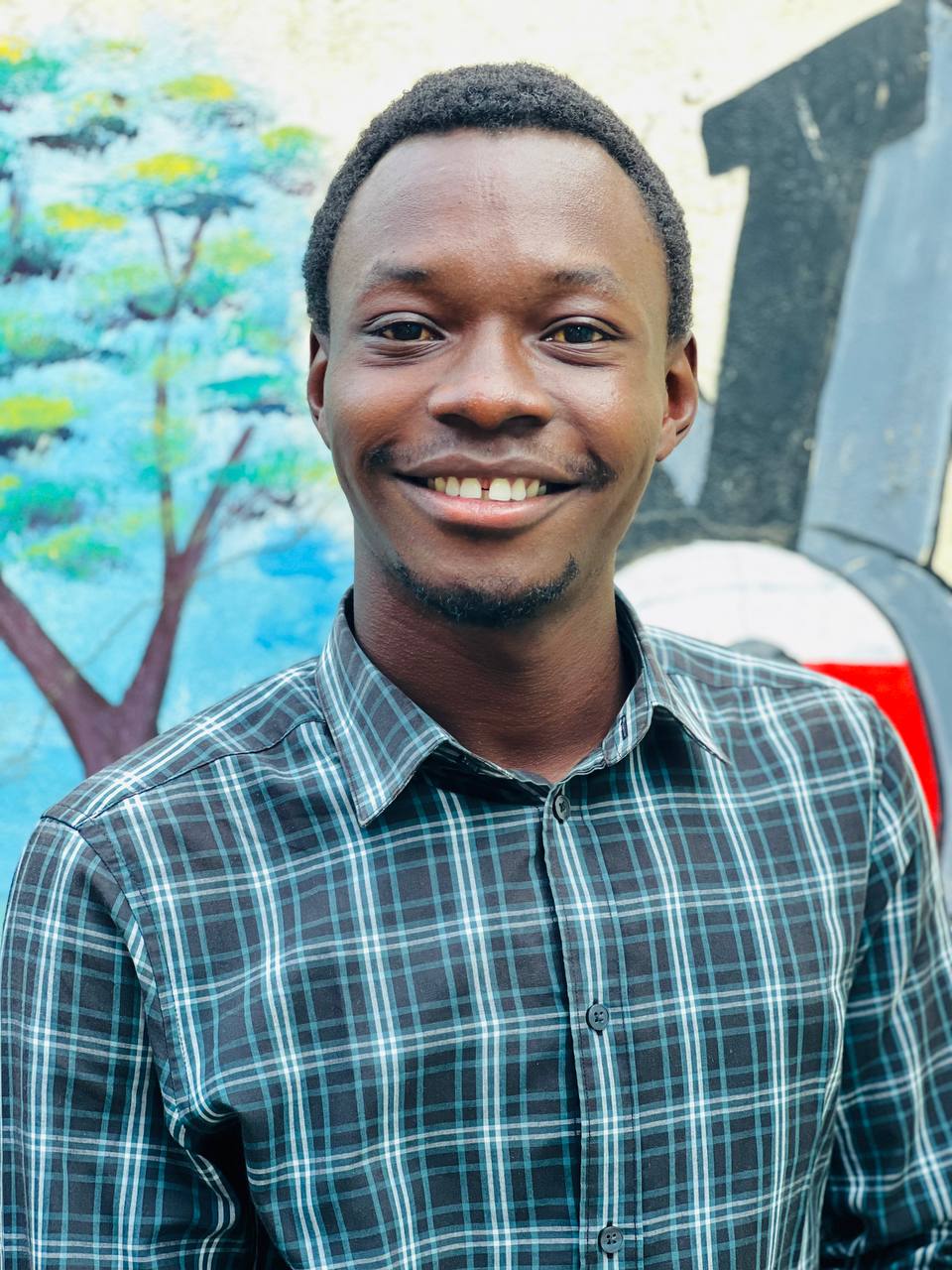
500WM Columnist Butros Nicola Bazia, born in Khartoum, Sudan in 2001, is a South Sudanese independent writer and storyteller currently based in Juba, South Sudan. He began his content creation journey with Young Black Voice Podcast in 2022 and transitioned to creative writing in 2023, driven by a deep interest in arts, culture, and society. His work reflects resilience and creativity, even amidst the challenges posed by ongoing conflict in the region. Nicola now runs his own blog, Autide Me, and has published works in Sudans Post and 500 Words Magazine, where he currently serves as a columnist.

Butros Nicola Bazia, born in Khartoum, Sudan in 2001, is a South Sudanese freelance writer, storyteller, and cultural commentator based in Juba, South Sudan. Nicola serves as columnist at 500 Words Magazine and contributed to multilingual regional and international platforms including The New Humanitarian, Mundo Negro, El Pais, Contemporary&, The Van-Magazine, and among others. His work explores the intersections of arts and socio-cultural dynamics, with a focus on South Sudanese narratives in the global conversations.