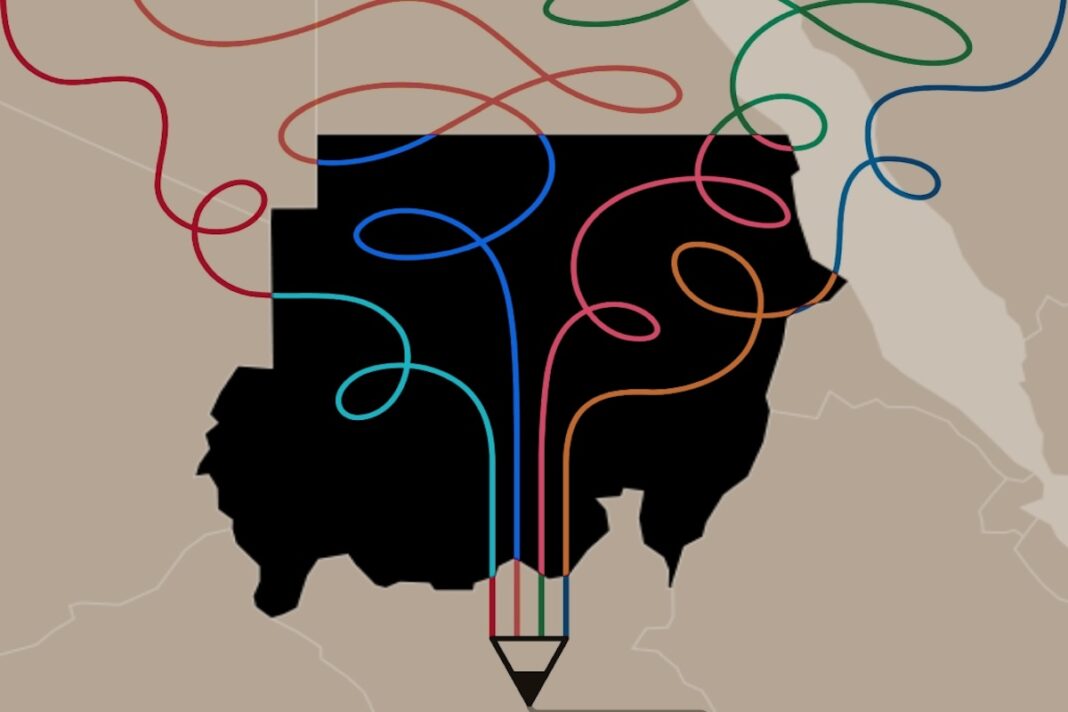

Sudanese storytelling is experiencing a renaissance like never before. In the midst of this creative revival, Sudanese creatives and thinkers are reclaiming the narrative.
Recently, a landmark Sudanese intellectual and cultural gathering took place to shed light on the country’s urgent humanitarian crisis.
The three-day conference “Seeing Sudan: Politics Through Art”, held from 18 to 20 September 2025 in Doha, Qatar, brought together acclaimed scholars and creatives to draw attention to the ongoing war, which has displaced between 12 and 14 million people and claimed more than 150,000 lives, and to outline a roadmap for post-war recovery that safeguards Sudan’s rich legacy as a historic centre of knowledge and culture.
The conference brought together the largest gathering of Sudanese creatives in recent history, including artists, musicians, filmmakers, and content creators. Notable participants included Sudanese artist and political cartoonist Khalid Albaih; Sudanese-American singer and songwriter Alsarah; Salma Amin and Omnia Shawkat, co-founders of Andariya; Sudanese-Norwegian film director Ibrahim Mursal; and American filmmaker and scholar Bentley Brown. Also present were the creative teams behind Locale, Aflam Sudan, Sudan Memory, Sudan Syllabus, Sudan Sensibilities, and Safeguarding Sudan’s Living Heritage.
The Art of Storytelling
Representing 500WM, I found myself among a group of inspiring thinkers where it became clear that we are witnessing a renaissance in the art of storytelling. This conference would not have been possible, or at least not on this scale, without the significant contributions of Sudanese creatives, as well as non-Sudanese allies, all helping to shape the Sudanese narrative.
There is an outpouring of creativity from Sudanese musicians, artists, content creators, influencers, bloggers, and media platforms – all collectively telling stories about Sudan, its identity, culture, and traditions, in our own words and through our own experiences. We are owning the narrative. We are educating and informing, not only the world, but also our own people. This is essential, because we bring authentic voices and real stories that counter misinformation and disinformation.
Growing up, the stories about Sudan were often told by people who did not look like us. But today, whether it’s on television with journalists such as Yousra Elbagir and Swar Al Dahab, or across digital platforms with content creators such as Abir Ibrahim and Yusra Yousif, Sudanese voices are reshaping how our story is told, and how it is understood.
Storytelling is a human necessity. It takes many forms: the history books we read, old photographs preserved in museums or shared online, paintings and other artworks displayed in galleries, the novels that move us, and so much more. Yet in Sudan, documentation, and particularly the preservation of storytelling sources, has long been lacking.
Today, however, Sudanese storytelling has taken on renewed urgency. In the wake of revolution, coup, and now war, it has drawn global attention to the harrowing experiences of the Sudanese people. At the same time, it has amplified voices that embody resilience, courage, and adaptation, showcasing the human spirit in the face of immense suffering.
The Various Forms of Sudanese Storytelling Experiencing A Renaissance
Music
In recent years, the Sudanese music scene has flourished, with new musicians and fresh sounds entering the market so quickly that it’s almost hard to keep track. Today’s scene embraces a vibrant mix of genres, as many artists modernise traditional sounds to resonate with younger generations both in Sudan and abroad. This musical renaissance blends classic Sudanese melodies with international influences such as jazz, hip hop, and rap, creating a dynamic and contemporary sound embraced by both solo artists and bands. Among them are reggae singer Wd Alzain and the popular duo Marsimba, made up of Mazmars and Seidosimba.
Within this broader revival, the Sudanese rap scene has seen the most striking growth. Rappers, whether performing in English or Arabic, have multiplied rapidly, with many rising to regional success. Leading the way are artists like Soulja, Hleem Taj Alser, Flippter, Awab The Rapper, Esaam Satti, Wad Almzad, and Dafencii. Female rappers, including Nadine El Roubi and Rana, are also breaking barriers, challenging social norms, and paving the way for more women to enter the rap scene.
At the same time, musicians of Sudanese origin are gaining international recognition, bringing their unique fusion of cultures to global stages. Artists such as Alsarah, Bas, Elmiene, Mustafa The Poet, and Gaidaa are making their mark worldwide, blending Western musical influences with a strong connection to their Sudanese identity.
Film and TV
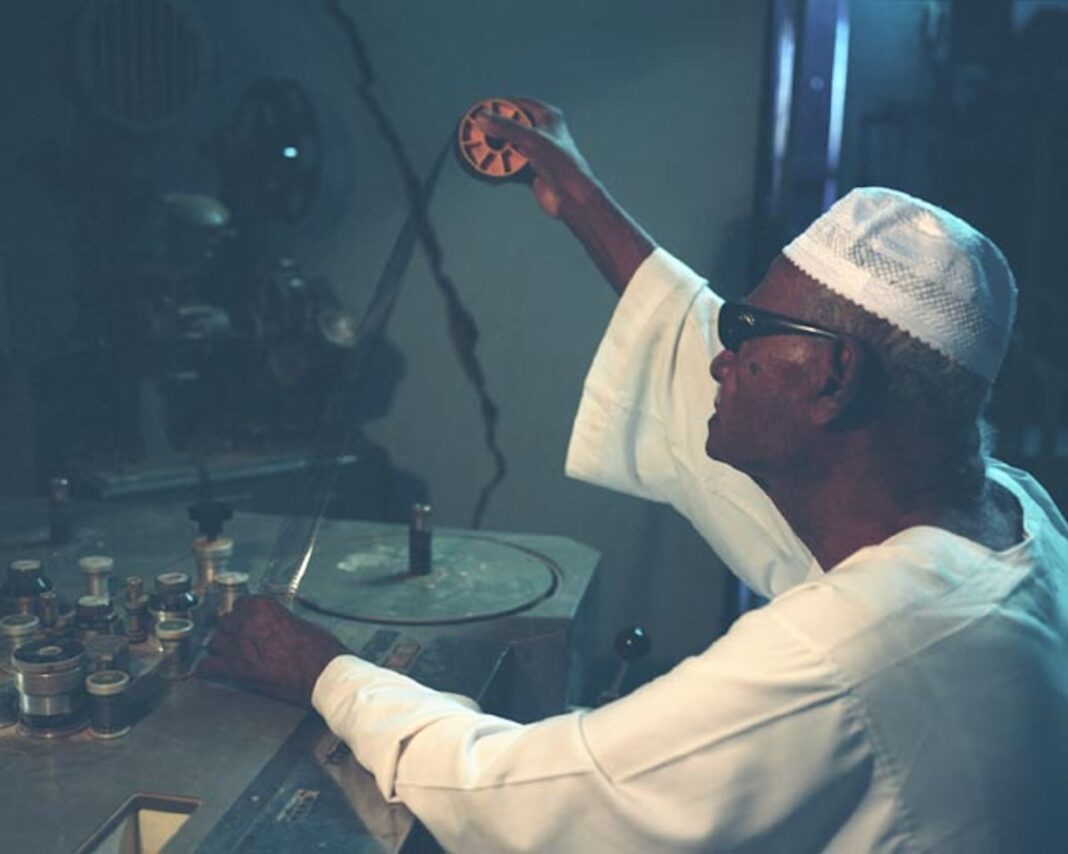
In addition to the revival of the Sudanese music scene, Sudanese cinema has experienced one of the most significant creative resurgences in recent years. While it has yet to develop into a full-fledged industry, film in Sudan has become a growing movement, an evolving space that holds the potential to transform into a sustainable industry. Sudan has a history of cinema, but it remains fragmented, underfunded, and largely inaccessible. Even today, access to Sudanese films is limited, though filmmakers continue working to change this.
Despite these challenges, Sudanese films and documentaries have begun reaching international stages and earning global recognition. Acclaimed works include You Will Die at Twenty (2019), Al-Sit (2020), Goodbye Julia (2023), and Cotton Queen (2025), along with documentaries such as Talking About Trees (2019), Khartoum (2025), Sudan, Remember Us (2024), Khartoum Offside (2019), aKasha (2018), and Beats of the Antonov (2014). You Will Die at Twenty was Sudan’s first-ever Oscar submission, while Goodbye Julia became the first Sudanese feature film to premiere at the Cannes Film Festival, where it won the Un Certain Regard – Freedom Prize in 2023.
These successes were made possible by pioneering Sudanese filmmakers including Amjad Abu Alala, Suhaib Gasmelbari, Mohammed Kordofani, Suzannah Mirghani, and Hajooj Kuka.
However, the acting scene in Sudan has yet to match the momentum of filmmaking. One notable exception is Islam Mubarak, whose breakout performance in You Will Die at Twenty launched her into international acclaim, earning her numerous awards across the Arab world and beyond. As Sudanese films continue to gain recognition, the acting community is expected to expand and strengthen, creating a larger and more diverse pool of talent.
Unlike cinema, Sudanese television and theatre have long been rich cultural arenas, though both have recently undergone their own revival. Sudanese TV shows have become more modern, higher in quality, and widely accessible, especially via YouTube during the holy month of Ramadan. Last Ramadan alone, at least 10 Sudanese series were released online. Much of this surge is attributed to Ahmed Aljiger, a Sudanese actor, singer, and TV producer/director, whose productions, while popular and entertaining, have also sparked controversy for featuring crime, immorality, and violence, and are often criticised for their poor quality despite their mass appeal.
Art
Art in Sudan has a long and rich history, stretching back to the 1950s, the country’s independence, and even earlier. Pioneering artists such as Ibrahim El Salahi, Rashid Diab, and Kamala Ibrahim Ishaq achieved regional and international acclaim, laying the foundations of Sudan’s modern art movement.
Over the decades, the Sudanese art scene has continued to flourish, but in recent years it has also diversified with the rise of new mediums and technologies. Alongside painters, Sudan has seen the emergence of photographers, illustrators, cartoonists, graffiti artists, video artists, and many other visual storytellers.
Among today’s leading figures is Galal Yousif, regarded as one of Sudan’s most talented visual artists, painters, and muralists. His paintings are highly sought after, and before the war he ran the successful Mojo Gallery in Khartoum. His murals, along with those of many other artists, remain visible across the country, even amid the devastation of war. Since the 2018–19 revolution, graffiti and mural art have become a defining part of Sudan’s public visual culture. Groups such as 249 Writers, an art collective producing wall murals, paintings, and graffiti, are central to this movement. Celebrated graffiti artist Assil Diab, known for painting portraits of martyrs of the revolution in their neighborhoods—has left an indelible mark on the country’s streets. Murals by visual artist Alaa Satir have also become iconic symbols of Sudan’s contemporary resistance art.
Sudanese photography has also gained global recognition, with several photographers earning prestigious international awards. Mosab Abushama won the World Press Photo Award in 2025, while Faiz Aboubakr received the award in 2022. Acclaimed photographer Ala Kheir served as a jury member for the 2025 World Press Photo Contest. Other widely recognised Sudanese photographers include Hashim Nasr, Ahmed Abushakeema, and Salih Basheer.
Leading the scene in illustration and political cartooning is Khalid Albaih, who gained international acclaim for his bold social and political cartoons on Sudanese, Middle Eastern, and global affairs. Alongside him, a new generation of illustrators and digital artists is shaping Sudan’s visual identity. These include art director Wael Al Sanosi, visual artist Alaa Satir, digital artist and character designer Badri Ibrahim (Abbas Comics), visual artist and art director Abu’Obayda Mohamed (OXDA), and illustrator and comic artist YAKAM Dudes, known for character design and storyboarding.
Fashion
Sudan’s fashion industry is thriving, yet due to the country’s conservative culture and Islamic values, the modelling sector has largely remained local or regional, not yet reaching major international markets. Still, more Sudanese designers and models are stepping onto the global stage, wherever they are based. This is especially evident in the realm of Sudanese fashion itself—most notably the toub, the traditional women’s garment—with many toub designers now working across the world.
Toub design has evolved significantly in recent years. Designers such as Tagreed Omar have sought to modernise the traditional dress, transforming it into a more contemporary, gown-like piece. In 2021, Sudanese actress Bunna Khalid showcased Omar’s gown-inspired interpretation of the toub at the Gouna Film Festival. Similarly, in 2024, Tasabeh Diab, a Sudanese model, blogger, and entrepreneur who made history as the first Sudanese woman to compete in the Miss Global pageant, wore a modern gown-like version of the toub designed by Sara Yassin. Another leading name is designer Amna Hamadto, whose work has reimagined the toub in ways that resonate strongly with younger audiences.
In modelling, social media platforms such as Instagram have provided Sudanese talent with unprecedented visibility, enabling models to reach international audiences and even secure agency contracts. These digital platforms have opened doors to opportunities abroad and across the region, despite the cultural challenges that continue to shape Sudan’s fashion and modelling industries.
Social media (influencers, bloggers and digital content creators)
Due largely to social constraints, Sudanese began entering the world of blogging and online content creation later than many others, as it took time for individuals to challenge and break social norms. As this has gradually become more acceptable, a growing number of Sudanese influencers and digital content creators have gained popularity across various social media platforms. While most are now based in the diaspora, especially in the wake of the war, many continue to use their platforms to produce Sudan-focused content that resonates with both Sudanese and international audiences.
Since 2024, podcasting has also emerged as a dynamic new medium for Sudanese storytelling, with several notable shows launched within a single year. These include the widely followed Al Sudan Podcast, Wanassa with Ossa, and Kaef?. Dubai-based Sudanese beauty and fashion content creator Yusra Yousif, better known as Ossa, launched her popular talk show and podcast Wanassa ma’a Ossa in early 2024, making it one of the first podcasts by a Sudanese woman. On her show, she hosts Sudanese and non-Sudanese guests, including fellow content creators, artists, musicians, and designers, for candid conversations about their careers, successes, and challenges.
Literature
Like art, Sudanese literature has a long and rich history, with early contributions from writers such as the late Mohammed Abed Elhai and the late Awn Alsharif Qasim. However, it is the late award-winning writer, novelist, and journalist Al Tayeb Salih who remains Sudan’s most celebrated literary figure. Widely regarded as one of the most prominent Arab writers of the 20th century, his work continues to define Sudan’s literary identity.
Today, authors such as Leila Aboulela, Jamal Mahjoub, and Amir Tag Elsir are carrying forward this legacy, shaping the modern Sudanese literary canon. Alongside them, a new generation of younger writers, including Safia Elhilo, Yasmeen Abdelmajeed, Fatin Abbas, Reem Gaafar, and Emtithal Mahmoud, are enriching the scene with fresh voices and perspectives, expanding the reach of Sudanese literature both at home and across the globe.
Media and content creators
Although many people turn to global news outlets such as BBC, CNN, Al Jazeera, and Al Arabiya –whether on TV, radio, or online – for their daily news and to stay updated on developments in Sudan, local platforms are also playing a critical role. Some international outlets even feature dedicated Sudan sections for continuous coverage.
At the same time, a number of Sudanese and South Sudanese media outlets provide reliable, accurate, and balanced reporting of their own. These platforms cover political, social, and economic issues, serving as essential voices in informing and shaping public opinion within both countries. In addition to our own, key outlets include Andariya, Atar Magazine, Radio Dabanga, and Sudan Tribune – all of which publish news and stories about Sudan and South Sudan, written primarily by Sudanese and South Sudanese journalists and writers.
Even amid Sudan’s ongoing war, where countless artists, photographers, researchers, academics, and other creatives have lost their work, a creative and storytelling renaissance continues, wherever they may be, even in displacement. Through their art and expression, they are preserving the stories and experiences of this time. One day, future generations will look back on these works to learn about Sudan and its people in this moment of history.

Ola Diab is the new founder and editor of 500 Words Magazine, and the deputy editor of Marhaba Information Guide, Qatar’s premier information guide. Based in Qatar, the Sudanese journalist graduated from Northwestern University in Qatar (NU-Q) in 2012 with a Bachelor of Science in Journalism and has since built a successful career in the print and digital media industry in Qatar. Find her on X (formerly Twitter) @therealoladiab or on LinkedIn.