
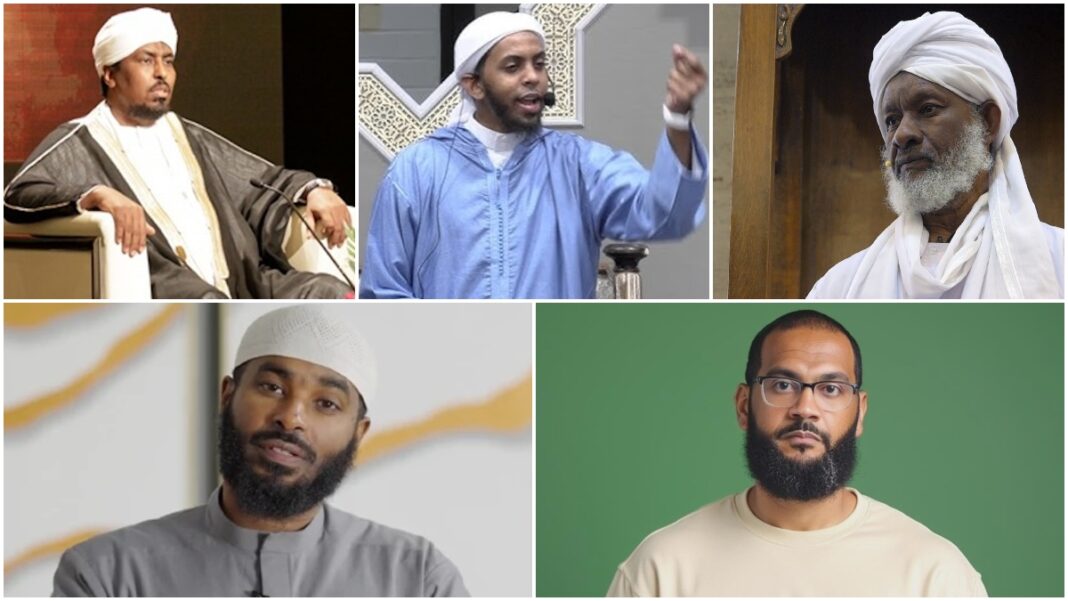
Islam has a long and rich history in Sudan, with many prominent figures shaping both its religious and political landscape. This influence has often intersected with governance, most notably through controversial figures such as Mahmoud Muhammad Taha and Hassan Al Turabi.
The Sudanist brings together a diverse list of Islamic influencers — imams, scholars, and da’i (those engaged in da‘wah, inviting others to Islam) — based around the world. Through their work, they inspire non-Muslims to explore Islam and help Muslims strengthen their connection to the faith.
Sheikh Ammar AlShukry
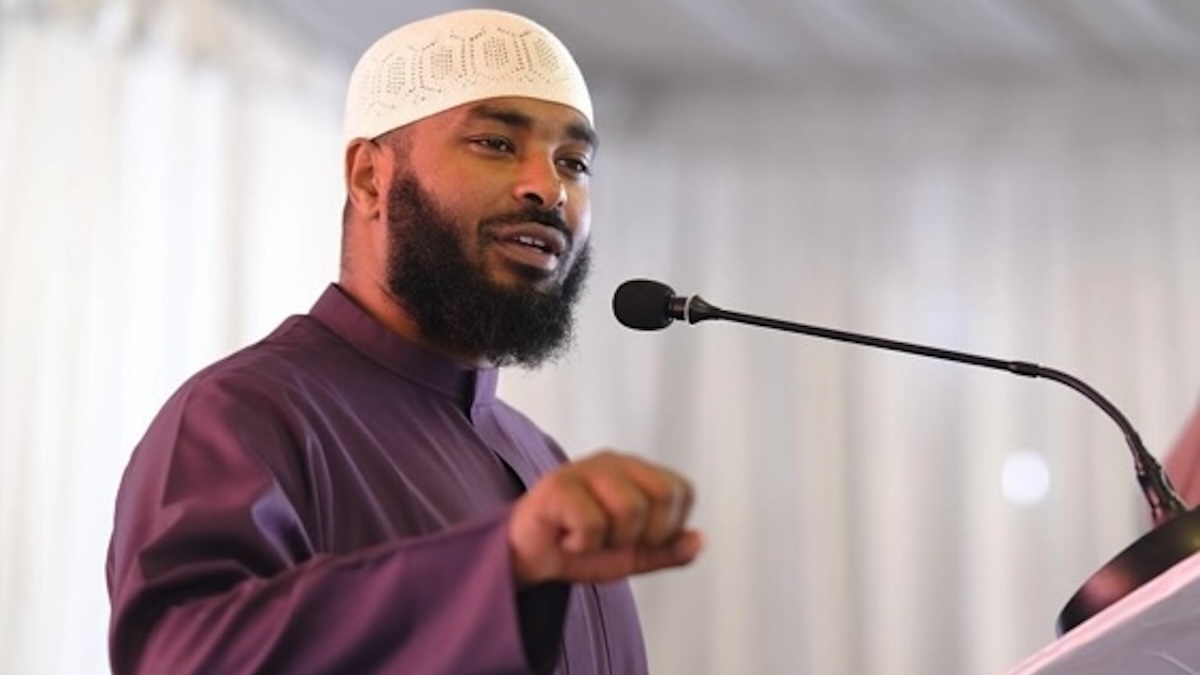
Sheikh Ammar AlShukry hails from Sudan via Queens, New York where he wears many hats – all in the name of Islam. He is the Director of AlMaghrib USA, Imam at Clear Lake Islamic Center, and previously Imam and Resident Scholar of River Oaks Islamic Center in Houston, Texas. It was in Sudan that AlShukry began his studies in the Arabic language at an early age. He carries a Dual Bachelors in Islamic Studies and Marketing. AlShukry is Content Director of FaithEssentials faithessentials.online, a complete learning hub for the everyday Muslim. The Sudanese-American Islamic figure is also an author and poet. He is the author of the poetry collection, “What The Pen Wrote: The Collected Poems of Ammar AlShukry.” Sheikh AlShukry is also a humanitarian and works closely with Sudanese American Ohysican Association (SAPA) to help meet the needs of the millions suffering from the war in Sudan.
Social media: Instagram @ammar_alshukry, X (formerly Twitter) @ammaralshukry, Facebook facebook.com/AmmarAlShukry11, YouTube youtube.com/c/AmmarAlShukry
Mamoun S Hassan
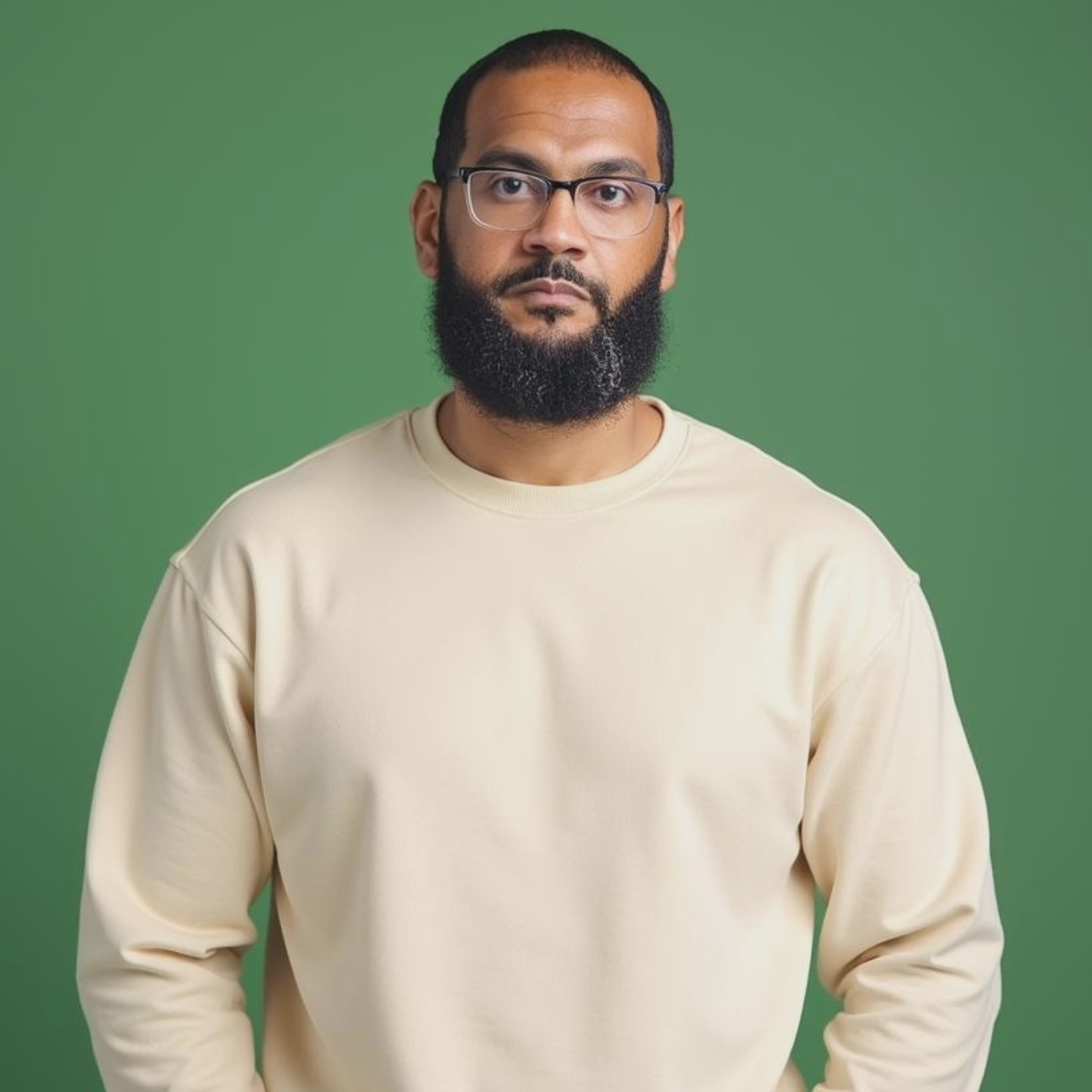
Mamoun S Hassan is a Sudanese-Canadian filmmaker, khateeb or volunteer imam, public speaker and advocate based in Canada. He performs Friday khutbahs, Ramadan programming, and Islamic education for communities across North America. The minbar has been his platform for over 20 years. He is vocal on Sudan, Islamophobia, anti-racism, and Indigenous-Muslim solidarity and speaks plainly about power, privilege, and resistance. As a storyteller, he also runs a media production company called Nabaga Media Production and Agency, which helps organisations find the narrative that moves people to give, act, and show up — drawing on over 20 years of producing film and media such as Purple Don’t Cry for causes that matter.
Website and social media: mamounhassan.com, Instagram @mamoun.s.hassan, Facebook facebook.com/MamounSabriHassan
Sheikh Muhammad Abdul Kareem
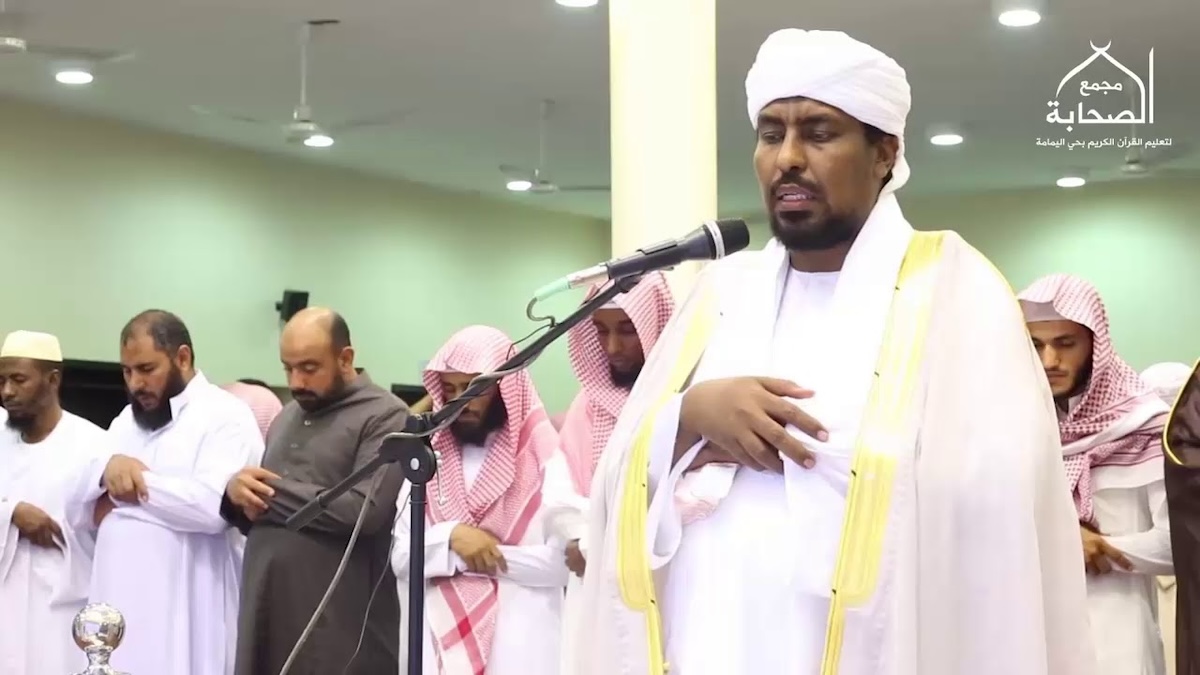
heikh Muhammad Abdul Kareem is a renowned Sudanese Qur’an reciter who served as an imam and preacher at Al Mujamaa Al Islami Mosque in Khartoum. Born in 1968 in Mashaw, Dongola, he completed his primary education in Makkah before earning a BA in Islamic Studies from King Abdulaziz University in Jeddah. He later obtained both a master’s degree and a PhD in Islamic Studies from the University of Khartoum.
He memorised the Qur’an at the age of 15 in 1983, and in 1985 received certification in the seven Qira’at under Sheikh Muhammad Nahban Masri. He also studied a range of classical Islamic sciences, including Rasm Al Uthmani, Alfiya Ibn Malik, and Al Aqidah Al Tahawiyya.
Known for his soft, melodious voice and strong command of Tajweed, Sheikh Muhammad Abdul Kareem is actively engaged in da‘wa, Qur’an teaching, Tajweed instruction, and memorisation training.
Sheikh Muhammed Nur Abdullah
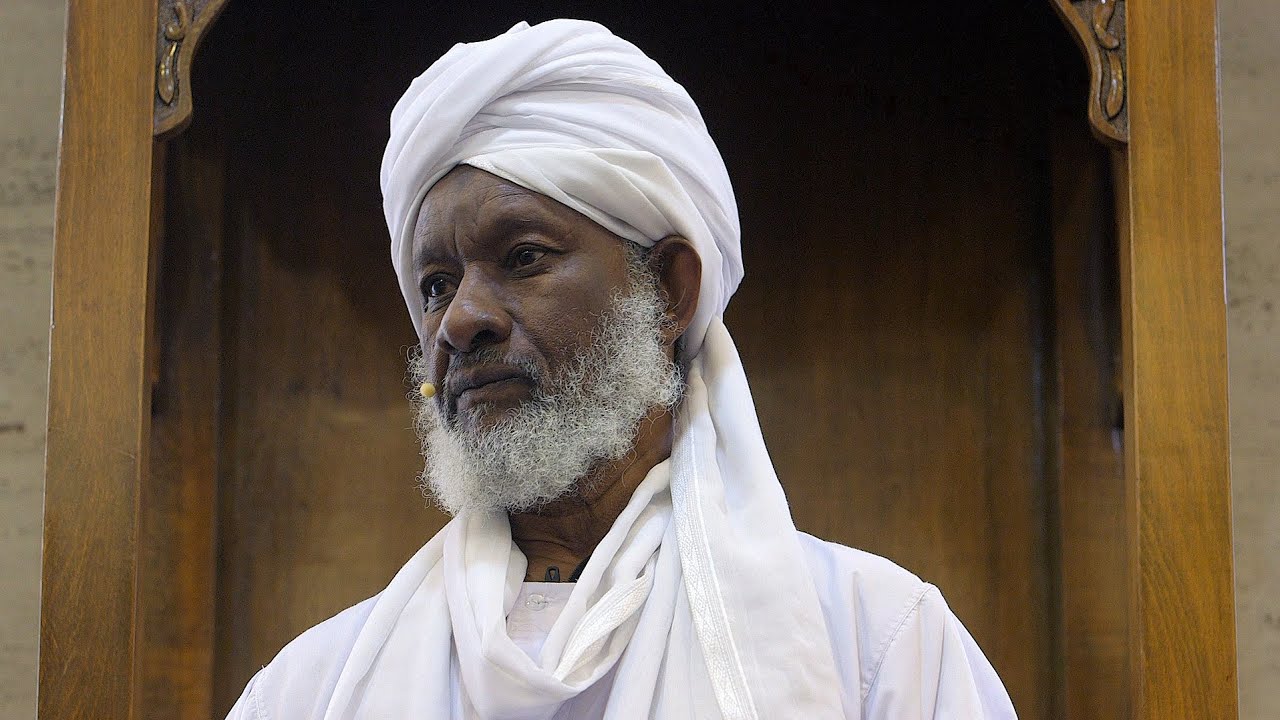
Born on 0 September 1946 in Sudan, Muhammed Nur Abdullah is an Islamic scholar educated in Saudi Arabia, where he studied at the Islamic University of Medina and Umm al-Qura University. He later moved to the US in 1978 at the invitation of Warith Deen Muhammad and became an influential figure within the Nation of Islam’s transition into mainstream Sunni Islam, later known as the American Society of Muslims. He also pursued graduate studies at the University of Chicago and went on to serve in several leadership roles, including as imam of the Islamic Foundation of Greater St Louis (1990–2006) and as president of the Islamic Society of North America (ISNA) from 2001 to 2005.
Throughout his career, Abdullah has been active in Islamic scholarship, education, and organisational leadership across North America. He has served on the Fiqh Council of North America, contributed to imam training programmes, and worked with various religious and educational institutions. He has also delivered lectures, authored writings on Islamic family and social issues, and worked as a marriage counsellor, playing a notable role in shaping Islamic discourse and community leadership in the US.
Sheikh Yasir Siddig
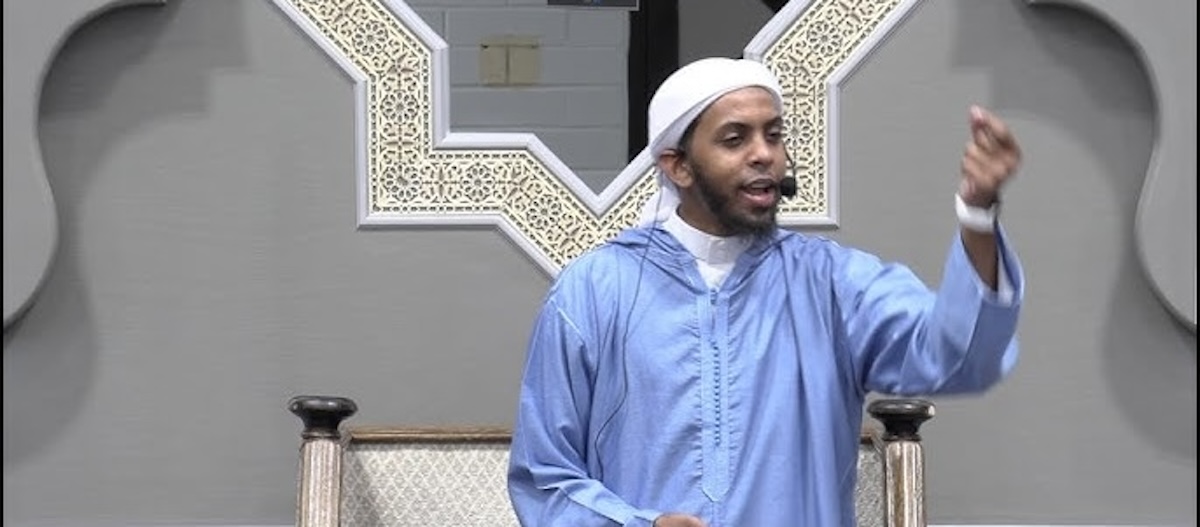
Sheikh Yasir Siddig is a Sudanese-American scholar who spent his early childhood in the US before returning to Sudan at the age of 12 to learn Arabic and immerse himself in Islamic culture. At 14, he began formal studies with local scholars, focusing on Hadith and Aqeedah. Over the years, he obtained more than 24 ijazat (a formal, accredited certificate in Islamic education, particularly in Quranic studies) from scholars in Sudan and Egypt, and later continued his studies with scholars of the Haramain in Saudi Arabia. After returning to the US inn 2013, he has served in a variety of mosque roles, including youth director, imam, and resident scholar.
Sheikh Siddig has worked with numerous organisations and masjids, including ICNA Masjid of Alexandria, An-Nur Foundation (Maryland), Al Furqaan Foundation, ICNA Relief, Helping Hand, the Sudanese American Physicians Association (SAPA), and Sadaqaat USA. He regularly delivers ‘ilm programmes, Hadith seminars, and workshops, and teaches extensive Aqeedah and Hadith classes for youth and young adults.
Social media: Instagram @sh.yasirsiddig
Honourable mentions:
Mohamed Sayed Haj
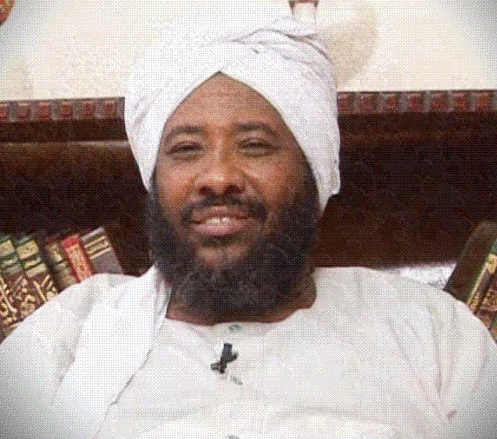
Born in 1972, the late Mohamed Sayed Haj is one of the most influential youth religious figures on Sudanese youth. The most well-known Islamic scholars in Sudan is by far Mohamed Sayed Haj. His lectures and sermons are a staple on Sudanese public transport. He is quite respected and admired in the Sudanese community. His sermons have a realistic aspect to them, as he talks about Islamic issues in our day-to-day lives, which sadly isn’t as common as it should be in Friday sermons. He died in a car accident in 2010 at the young age of 38.
- Abd Al Hafiz Al Adasi
- Asim Mohamed Elsayed
- Mohamed Ahmed Hassan
There are many more influential Islamic figures. Please leave a comment with anyone else you think should be included on the list.
For Sudanese Quran reciters, see below
For more information, see the Sudanese Scholars Association sudanscholars.net