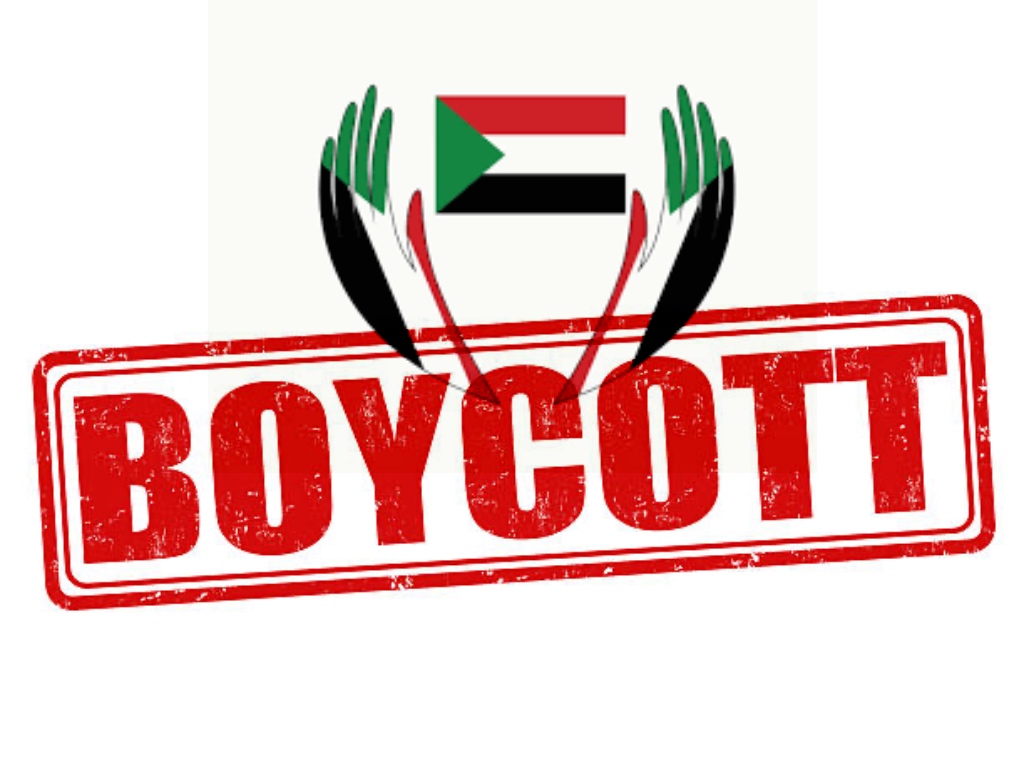

In light of recent atrocities committed by the Rapid Support Forces (RSF) in Al Fasher, the capital of North Darfur, criticism has surged over the UAE’s support and funding of the RSF. An international campaign launched online by Sudanese activists to boycott the UAE is rapidly gaining momentum, amplified further by non-Sudanese voices.
After more than two years of war in Sudan, the world is finally paying attention to the conflict between the Sudanese Armed Forces (SAF) and the RSF, which began on 15 April 2023 and has displaced 12–14 million people while killing over 150,000. Many voices, both Sudanese and non-Sudanese, are speaking out about the war, particularly in Al Fasher, where the RSF’s siege has left thousands tortured, killed, starved, and displaced. The RSF’s actions are widely seen as being supported and funded by the UAE, supplying arms to the RSF, fueling terror across Al Fasher, the broader Darfur region, and Sudan as a whole. In response, a campaign to boycott the UAE has gained momentum, urging people around the world to reconsider travelling to the country, particularly to Dubai, one of the world’s most popular tourist destinations.
However, this boycott also places Sudanese residents in the UAE and other GCC countries in a difficult position. How do Sudanese in the UAE, or those with families there, navigate this tension? They face a painful dilemma, feeling as though they must choose between their home and their home away from home, and either choice comes with a heavy price — to speak out risks their livelihoods and stability, yet staying silent feels like betraying their homeland.
Living in the GCC: Double-Edged Sword
The UAE is home to a large population of expatriates. In fact, the Emirati population is outnumbered by expatriates, who account for over 88% of the population. The UAE is home to a large population of Sudanese – an estimated number of over 100,000 — some have lived in the UAE for decades with entire generations of families living there — this includes many public figures such as singers, actors and social media personalities. As a result, many Sudanese businesses have been set up there. The Sudanese population or diaspora in the UAE and the entire in the Gulf Cooperation Council (GCC) further increased after the war. The Sudanese population in the UAE is the second largest in the GCC, following Saudi Arabia, which has over 800,000. It forms one of the largest expatriate populations in the GCC region where the livelihoods of over 1.1 million Sudanese provide aid and other sources of support to those displaced by war in Sudan and around the world.
For many Sudanese and other expatriates living in the GCC, life in the region can be a double-edged sword. While it is comfortable and familiar, it is also complex. Speaking out, especially on political matters, is particularly challenging in the GCC. Censorship is widespread, limiting freedom of speech and expression both online and offline, and prompting many to self-censor out of fear of repercussions such as imprisonment or deportation. Political campaigns are nearly impossible to carry out in the GCC, which is why residents are unable to organise public protests or even fundraisers, whether for Palestine or Sudan.
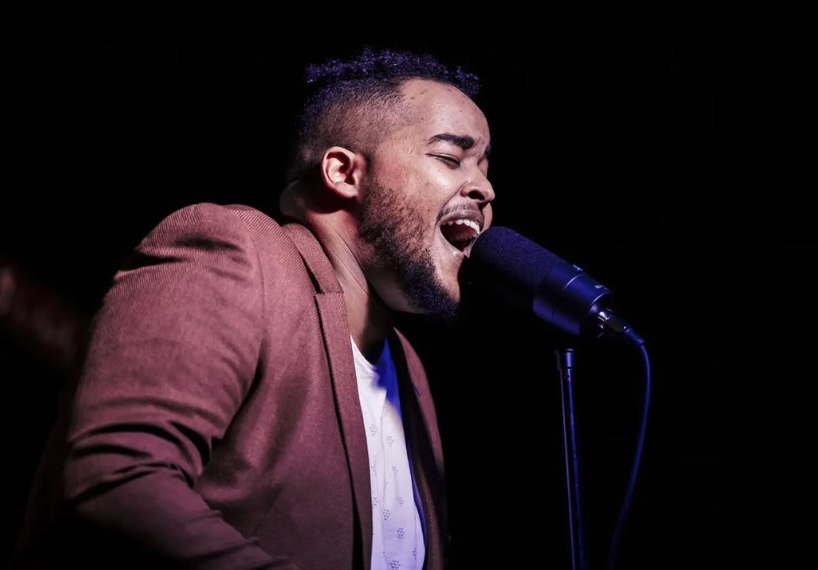
In light of the recent attacks in Al Fasher, many Sudanese public figures based in the UAE have remained silent. Some have spoken out on social media about the suffering in Al Fasher but have refrained from condemning the UAE’s alleged support for the RSF. A few have even publicly denied the UAE’s involvement in the war in Sudan. Due to the sensitivity of this issue, their names and videos will not be shared in this piece. However, while some criticise or accuse these figures of cowardliness or even complicity, it’s important to remember that in countries where free speech is restricted, silence may not always signal indifference, but survival.
Whether speaking up publicly is necessary remains subjective and open to debate. For those who choose not to speak out online, whatever their reasons may be, we cannot know what they may be doing behind the scenes. They may be silent, or quietly working to support Sudan and its people. In many cases, as with most crises that trend online, some speak about Sudan on social media solely due to public pressure or because it has become a trend, yet behind the camera, show little genuine concern or engagement with what is happening.
It’s Not Only the UAE
Beyond the many images and videos circulating on social media — many shared by the RSF themselves and showing weapons marked with UAE labels — there is clear evidence, compiled by the UN, independent experts, and reporters, that the UAE has been covertly arming the RSF, despite its denials. However, focusing solely on the UAE overlooks the fact that Sudan’s war is being sustained by a complex web of international interests. Amnesty International released a briefing in July 2024, stating that recently manufactured or recently transferred weapons and ammunition from countries including the UAE, China, Russia, Serbia, Türkiye, and Yemen are being imported in large quantities into Sudan, and then in some cases diverted into Darfur.
Megaphone, an independent online media platform, created an infographic naming countries such as the UAE, Qatar, Egypt, Türkiye, Russia, Libya, Iran, Chad, and France as fueling the war in Sudan — either by supporting the RSF or the SAF.
While Sudan has large diaspora communities around the world, some enjoy greater rights and privileges, such as freedom of speech and expression, than others. Speaking out against injustice can be both risky and courageous, especially in unsafe environments. Yet, it helps draw attention to oppression, amplify the voices of those affected, and potentially hold perpetrators accountable while mobilising aid and relief. Boycotting carries less risk, but it demands awareness, research, and education — and for it to be effective, it must be done collectively. Both speaking up and boycotting are individual choices, but come hand in hand, and their true impact is realised only through collective action. Ultimately, whether through speaking up, educating others, or boycotting, collective conscience remains the strongest tool Sudanese and their allies have — even when silenced.

Ola Diab is the new founder and editor of 500 Words Magazine, and the deputy editor of Marhaba Information Guide, Qatar’s premier information guide. Based in Qatar, the Sudanese journalist graduated from Northwestern University in Qatar (NU-Q) in 2012 with a Bachelor of Science in Journalism and has since built a successful career in the print and digital media industry in Qatar. Find her on X (formerly Twitter) @therealoladiab or on LinkedIn.